

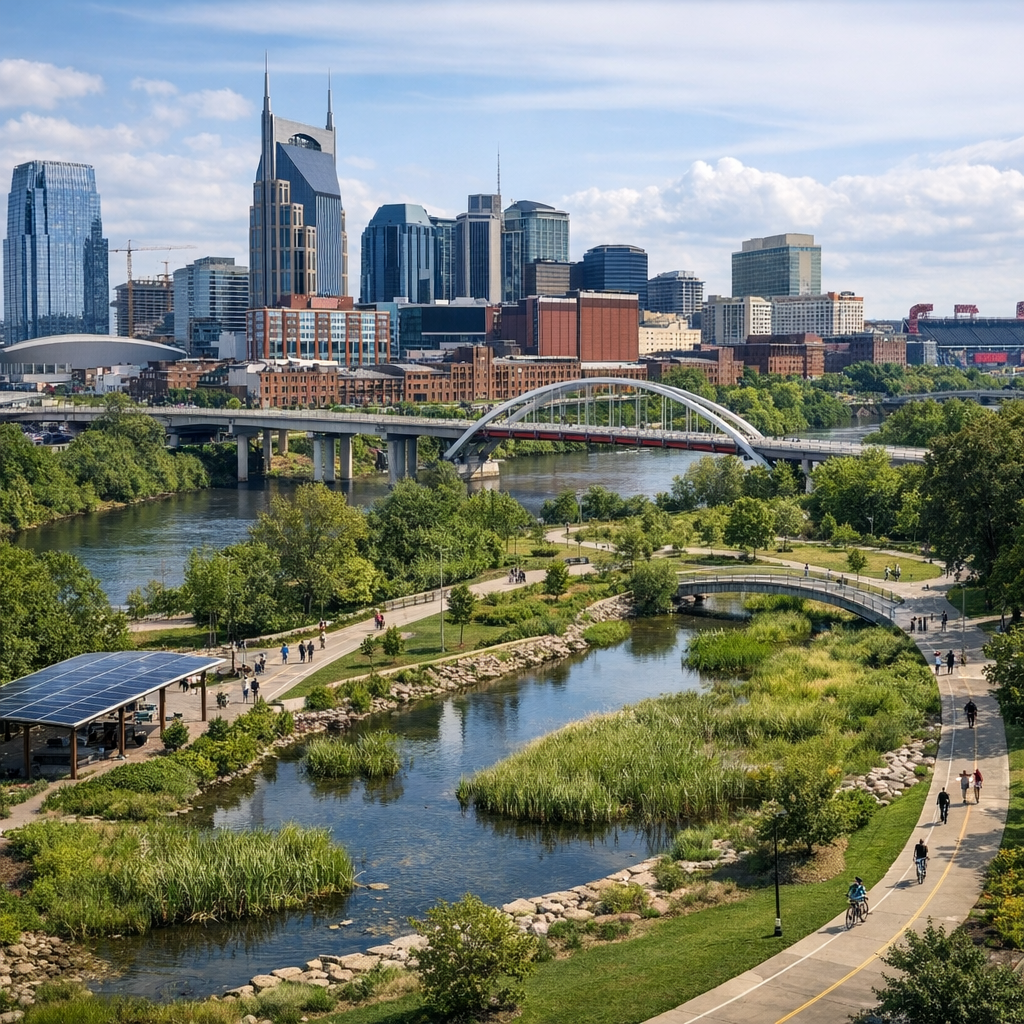
Nashville, Tennessee, experiences a humid subtropical climate characterized by hot, humid summers and mild to cool winters. The city’s weather patterns are influenced by its geographical location in the southeastern United States, leading to a diverse range of seasonal conditions.
Seasonal Weather Patterns
Summers in Nashville are typically hot and muggy, with average high temperatures around 89°F (32°C) in July. Winters are generally mild, with average lows around 31°F (-1°C) in January. The city receives an average annual rainfall of approximately 47 inches, distributed fairly evenly throughout the year. Snowfall is relatively rare but can occur during the winter months.
Climate Change and Its Impact
In recent years, Nashville has faced increasing challenges related to climate change. The city has experienced more frequent and severe heatwaves, with projections indicating a significant rise in the number of extremely hot days in the coming decades. Additionally, the risk of flooding has heightened due to more intense and unpredictable precipitation patterns.
Urban Heat Islands
Urban heat islands (UHIs) are areas within cities that experience higher temperatures than their rural surroundings, primarily due to human activities and infrastructure. In Nashville, approximately 71% of residents live in neighborhoods considered heat islands. These areas often lack sufficient green spaces and have an abundance of heat-absorbing surfaces like concrete and asphalt, leading to elevated temperatures.
City Initiatives for Climate Resilience
Recognizing the challenges posed by climate change, Nashville has undertaken several initiatives to enhance its resilience. The city’s forthcoming Climate Adaptation and Resilience Plan (CARP) focuses on addressing key climate hazards, including flooding, extreme heat, and severe storms. The plan aims to inform future investments and programs to mitigate climate-related risks.
Furthermore, Nashville has engaged in heat mapping campaigns to identify the warmest and coolest neighborhoods, aiding in targeted heat mitigation efforts. The city is also exploring solutions like reflective pavement coatings to reduce heat absorption and increase urban greenery to combat the UHI effect.
Community Involvement
Community engagement plays a vital role in Nashville’s climate resilience efforts. Residents are encouraged to participate in local initiatives, such as tree planting programs and sustainability workshops, to collectively address climate challenges. By fostering a collaborative approach, Nashville aims to build a more sustainable and resilient future for all its inhabitants.