

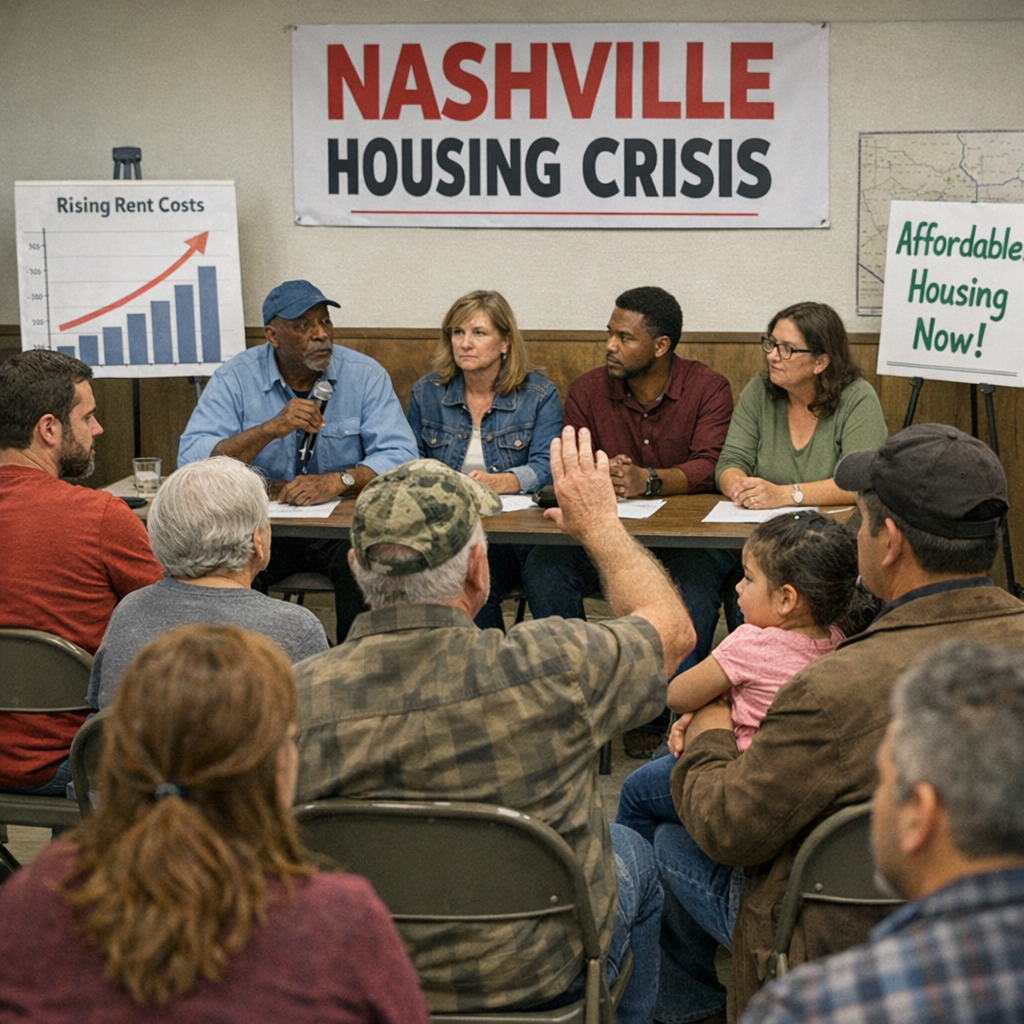
Nashville’s rapid growth has brought economic prosperity but also significant challenges, particularly in housing affordability. Recent studies highlight the severity of this issue, emphasizing the need for comprehensive solutions.
Current Housing Affordability Landscape
A Vanderbilt University poll revealed that 82% of Nashville residents feel they cannot afford to buy a home in Davidson County. This sentiment reflects the widening gap between income levels and housing costs, making homeownership increasingly unattainable for many.
Disproportionate Impact on Minority Communities
The affordability crisis disproportionately affects Black and Hispanic families. A housing and infrastructure study found that these families can afford median-valued homes in less than 1% of Nashville’s neighborhoods. Historical discriminatory practices have contributed to this disparity, underscoring the need for targeted interventions.
Community Initiatives and Policy Responses
In response, local leaders have initiated programs like the Unified Housing Strategy to increase affordable housing supply. In fiscal year 2025, city funding supported the construction and preservation of nearly 1,800 affordable housing units. However, public support for multifamily housing has waned, with many residents preferring such developments be limited to dense areas to preserve neighborhood character.
Looking Ahead
Addressing Nashville’s housing affordability crisis requires a multifaceted approach, including policy reforms, community engagement, and sustained investment in affordable housing. Ensuring that all residents have access to affordable housing is crucial for the city’s continued growth and inclusivity.