

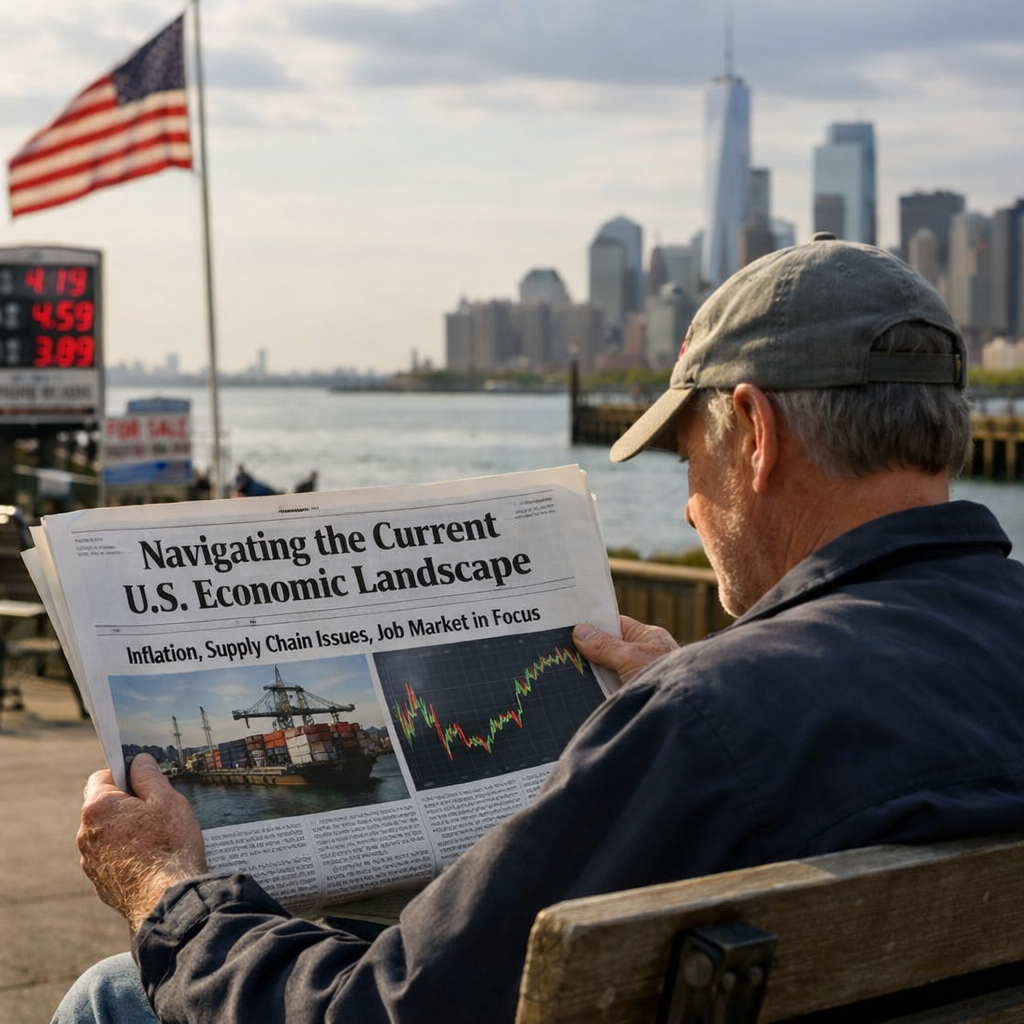
The United States economy has demonstrated resilience and adaptability in recent times, navigating through various challenges and emerging with steady growth. This article provides an overview of the current economic landscape, highlighting key sectors and future outlooks.
Gross Domestic Product (GDP) Growth
In the first quarter of 2026, the U.S. economy expanded at an annualized rate of 2%, marking a rebound from the previous quarter’s sluggish 0.5% growth. This improvement was largely attributed to the recovery from a federal government shutdown and robust investments in artificial intelligence (AI) sectors. Notably, even when discounting the temporary rebound from the shutdown, the underlying growth remained strong.
Employment and Wages
The labor market has shown signs of stability. As of May 2026, the unemployment rate stood at 4.3%, reflecting a consistent trend over the preceding months. Average hourly earnings have seen a gradual increase, reaching $37.53 in May 2026, indicating positive momentum in wage growth.
Consumer Spending and Inflation
Consumer spending, a significant driver of the economy, has experienced fluctuations. In April 2026, personal consumption expenditures increased by 0.5%. However, inflationary pressures have emerged, with the Consumer Price Index rising by 0.6% in April, influenced by factors such as energy price shocks stemming from geopolitical tensions.
Business Investment and Trade
Business investment has been notably strong, particularly in AI-related technologies, contributing to the economy’s resilience. However, the international trade deficit widened to $60.3 billion in March 2026, as imports increased more than exports, highlighting ongoing challenges in the trade sector.
Political Landscape
The United States continues to operate under a two-party system dominated by the Democratic and Republican parties. While these parties contest presidential elections every four years and have national organizations, between elections, they often function as loose alliances of state and local party organizations. Other parties occasionally challenge the dominance of the two major parties, but the political landscape remains largely bipartisan.
Looking Ahead
While the economy has shown resilience, challenges remain. Geopolitical tensions, particularly in regions affecting energy prices, pose risks to inflation and consumer spending. Additionally, the evolving political landscape and policy decisions will play crucial roles in shaping the economic trajectory. Staying informed and adaptable will be key for businesses and consumers alike as they navigate the complexities of the current economic environment.