

The United States is currently experiencing notable shifts in both its economic performance and political dynamics. Understanding these changes is crucial for citizens and policymakers alike.
Economic Overview
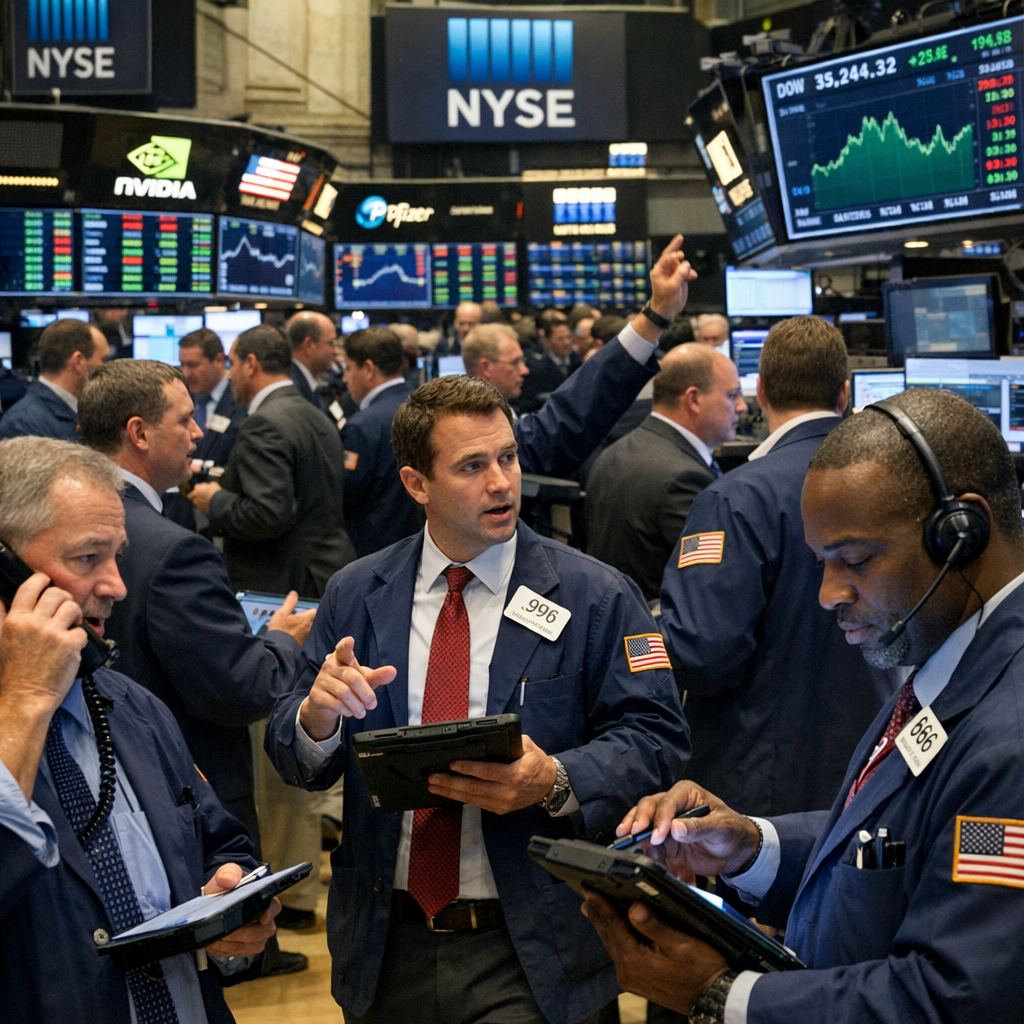
In the first quarter of 2026, the U.S. economy grew at an annualized rate of 2%, rebounding from a sluggish 0.5% growth in the previous quarter. This improvement was largely attributed to the recovery from a 43-day federal government shutdown and robust investments in artificial intelligence sectors. However, the ongoing conflict in Iran has introduced economic uncertainties, particularly affecting energy prices and inflation rates.
Consumer spending has shown signs of slowing, with a 1.6% increase in the first quarter, reflecting financial pressures on middle and moderate-income households. In contrast, business investment surged by 8.7%, driven by growth in AI-related industries. Residential investment, however, declined for the fifth consecutive quarter, dropping by 8%.
Political Landscape
The U.S. political scene continues to be dominated by the two major parties: the Democratic Party and the Republican Party. While these parties contest presidential elections every four years and have national organizations, they often function as loose alliances of state and local party organizations between elections. Other parties occasionally challenge the Democrats and Republicans, but the two-party system remains predominant.
Recent years have seen shifts in the political landscape, influenced by various factors including social media dynamics and demographic changes. The rise of platforms like TikTok and Reddit has contributed to a more fragmented digital public sphere, with audiences becoming more diverse and politically varied. Notably, Twitter has experienced a significant shift, with posting patterns flipping nearly 50 percentage points from Democrats to Republicans between 2020 and 2024.
These developments underscore the evolving nature of American politics, where digital platforms play an increasingly significant role in shaping public discourse and political engagement.
As the nation navigates these economic and political changes, staying informed and engaged remains essential for all citizens.