

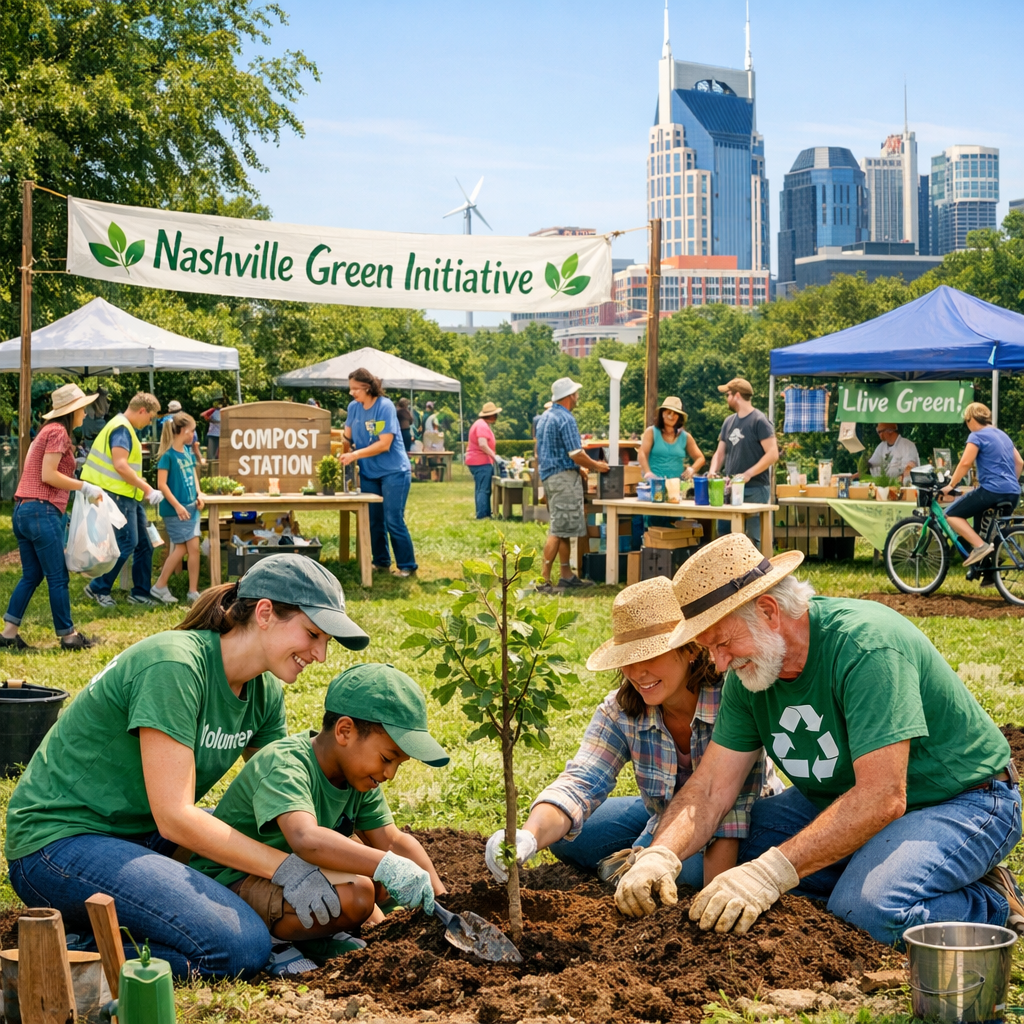
Nashville’s dedication to environmental sustainability is evident through various community-driven initiatives and city-led programs. These efforts aim to preserve the city’s natural resources, promote sustainable practices, and enhance the quality of life for all residents.
City-Led Environmental Initiatives
The Mayor’s Office has been proactive in implementing strategies to ensure Nashville’s sustainable growth. The city’s Climate Action Plan focuses on decarbonizing the electrical grid, promoting energy efficiency, and reducing greenhouse gas emissions. Additionally, the Climate Adaptation and Resilience Plan addresses the challenges posed by climate change, aiming to prepare the city for extreme weather events and other environmental impacts.
In the realm of waste management, Nashville has set ambitious goals through its Zero Waste initiative. The city aims to divert 90% of waste from landfills by promoting recycling, composting, and other sustainable practices. This plan underscores the importance of reducing waste generation and enhancing recycling programs across Davidson County.
Community Engagement and Education
Organizations like Urban Green Lab play a pivotal role in educating the community about sustainable living. By offering programs that teach residents how to incorporate sustainability into their daily lives, Urban Green Lab fosters a culture of environmental responsibility throughout Nashville.
Furthermore, the Nashville Earth Day festival, managed by the Centennial Park Conservancy, not only celebrates environmental awareness but also funds local environmental projects. Since 2020, the Conservancy has donated over $200,000 to support initiatives focused on bees, trees, water conservation, pollinator gardens, and sustainability education.
Green Infrastructure and Sustainable Development
Nashville’s commitment to green infrastructure is evident in projects like the Nashville Downtown Arboretum, which features over 3,000 trees throughout the city’s urban core. This initiative enhances the urban tree canopy, providing environmental benefits and beautifying public spaces.
Additionally, the Nashville Public Library’s Donelson Branch exemplifies sustainable development. The facility, which opened in June 2024, achieved LEED Gold Certification, incorporating geothermal wells, solar power, and native landscaping into its design.
Looking Ahead
As Nashville continues to grow, balancing development with environmental stewardship remains crucial. The city’s Ecological Conservation Strategy aims to assess the health of natural resources and develop action plans to protect and conserve the environment while supporting growth. This strategy reflects Nashville’s commitment to preserving its unique landscapes and ecosystems for future generations.
Through collaborative efforts between city officials, organizations, and residents, Nashville is making significant strides toward a sustainable and resilient future. By embracing these initiatives, the community ensures that the city’s natural beauty and resources are preserved for generations to come.