

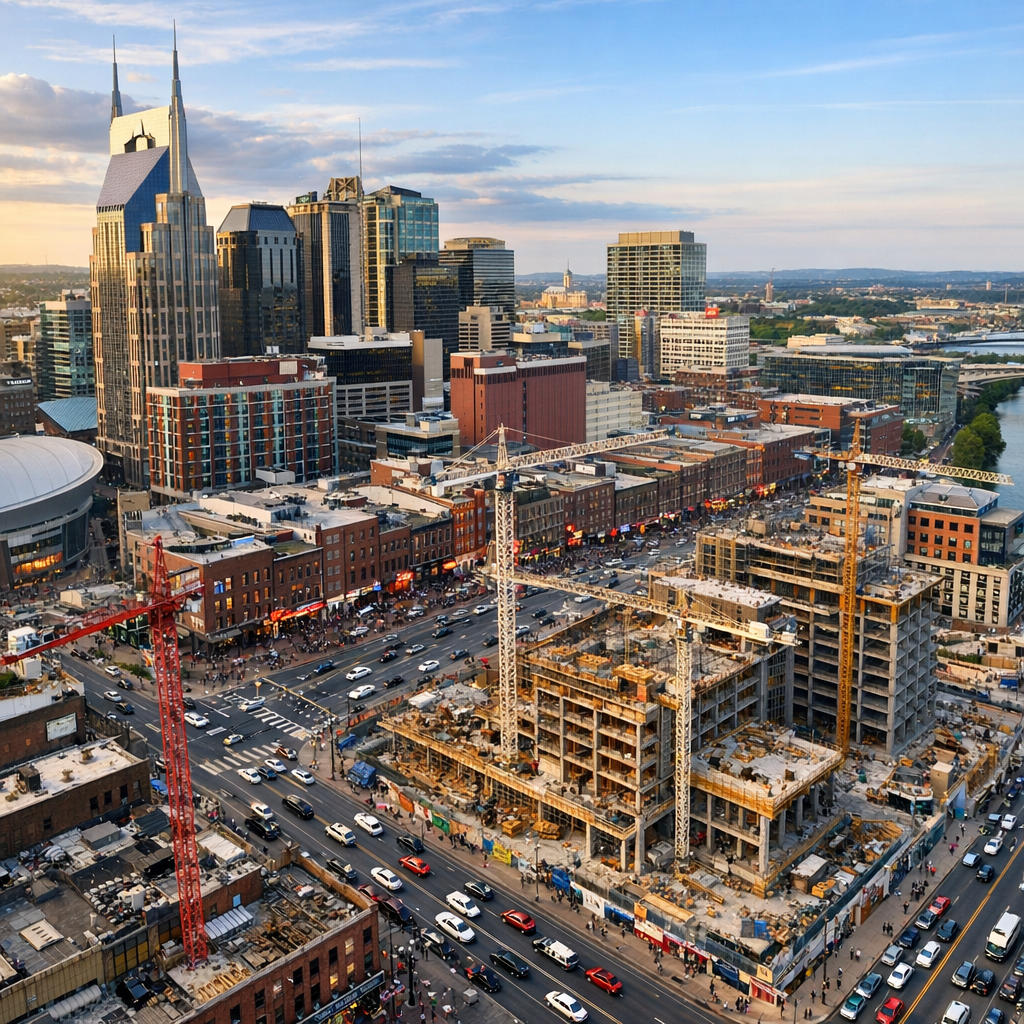
As Nashville continues to experience significant growth, it’s essential to understand how national economic policies and trends are shaping our local landscape. From population increases to housing market shifts, the interplay between national decisions and local outcomes is evident.
Population Growth and Migration
In recent years, Nashville has seen a notable rise in population, with Davidson County adding nearly 9,300 residents in 2025, the highest increase among Tennessee’s 95 counties. This surge is largely driven by domestic migration from other states, reflecting a broader national trend of urbanization and economic opportunity seeking. However, changes in federal immigration policies have led to a decline in international migration, which previously contributed significantly to our city’s growth.
Housing Market Dynamics
The COVID-19 pandemic brought about a nationwide housing boom, and Nashville was no exception. Historically low interest rates and the rise of remote work led to increased demand for housing, causing home prices to soar. This rapid appreciation has made homeownership less attainable for many residents, prompting a shift towards suburban areas in search of affordability. The national trend of rising mortgage rates further complicates the housing landscape, affecting both buyers and sellers in our community.
Economic Contributions of Local Institutions
Vanderbilt University and Vanderbilt University Medical Center have been pivotal in Nashville’s economic development. Between 2019 and 2024, these institutions contributed over $22 billion to the local and state economies. Their investments in construction, employment, and community programs underscore the significant role that educational and medical institutions play in regional economic health, aligning with national patterns of institutional impact on local economies.
Infrastructure and Transportation Initiatives
In response to the city’s growth and the need for improved transportation, Nashville voters approved the ‘Choose How You Move’ referendum in 2024. This initiative aims to enhance transit options and infrastructure, reflecting a national emphasis on urban mobility and sustainable development. The program’s implementation includes funding for transit projects, sidewalk improvements, and smart traffic signals, demonstrating a proactive approach to managing urban expansion.
Conclusion
Nashville’s economic trajectory is closely intertwined with national policies and trends. By understanding these connections, we can better navigate the challenges and opportunities that come with growth, ensuring that our city remains a vibrant and inclusive place for all residents.