

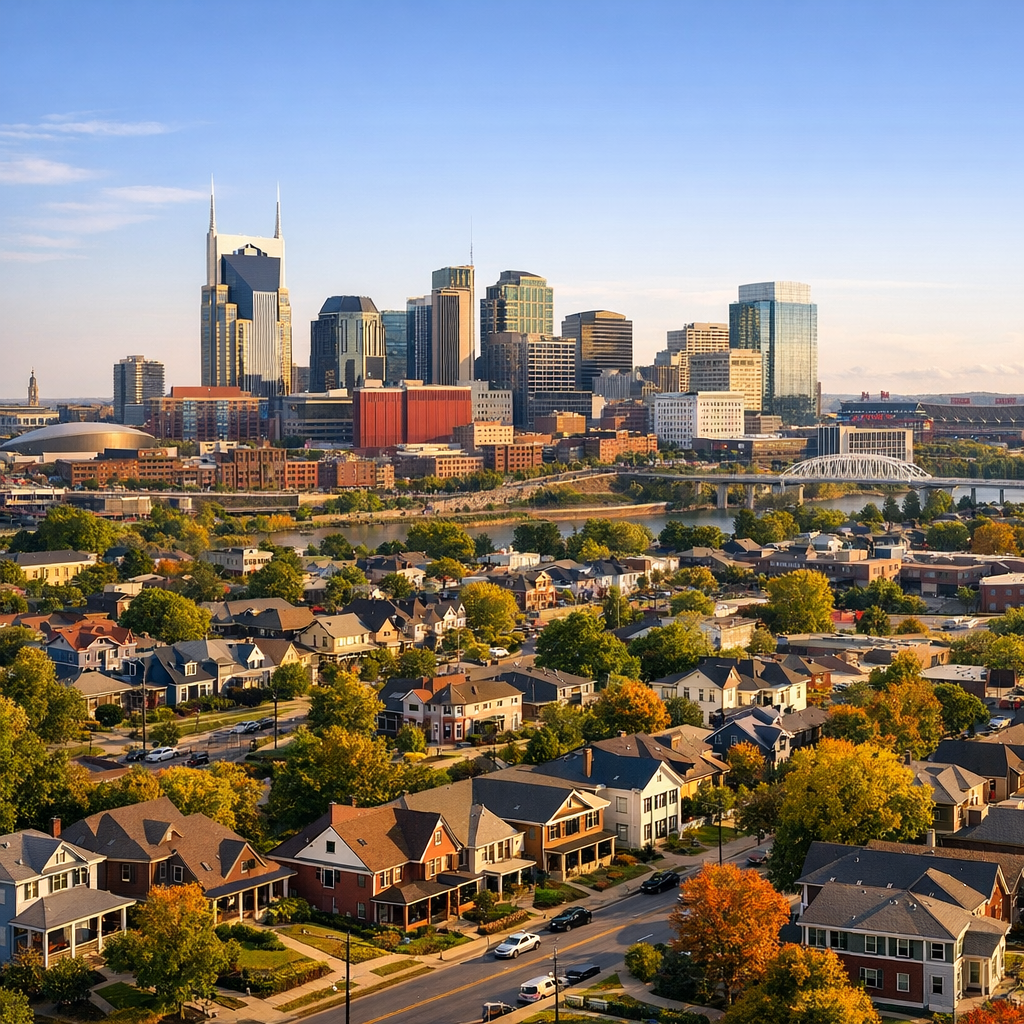
Nashville’s real estate market is experiencing notable shifts, offering both challenges and opportunities for buyers and sellers alike. Recent data indicates a trend toward a more balanced market, characterized by increased inventory and moderated price growth.
Market Trends
As of March 2026, the median sale price for homes in Nashville was $470,000, reflecting a 2.2% increase from the previous year. Homes are spending an average of 98 days on the market, up from 64 days last year, suggesting a cooling from the previously heated market conditions. Additionally, the number of homes sold in March decreased to 817 from 867 the previous year, indicating a slight dip in sales activity.
Inventory and Buyer Dynamics
The housing inventory has seen a significant uptick, with 12,315 properties available for sale, marking a 12% rise from the previous year. This increase, coupled with lower interest rates, has empowered buyers with greater negotiating power. Sellers are responding by offering incentives to attract potential buyers. Despite these changes, home prices remain higher than in past years, continuing to pose affordability challenges for some buyers.
Neighborhood Highlights
Antioch (ZIP code 37013) continues to lead Nashville’s real estate market, recording 1,121 home sales in 2025. This marks the third consecutive year Antioch has topped the list, underscoring its rapid growth in southeastern Davidson County. The area’s appeal is bolstered by new amenities such as Tanger Outlets and an upcoming In-N-Out, attracting buyers seeking more affordable options compared to pricier neighborhoods like East Nashville.
Development Projects
In terms of development, Metro Nashville is actively partnering with various developers to create and preserve housing. Initiatives like the Barnes Housing Trust Fund and the Connecting Housing to Infrastructure Program (CHIP) aim to support affordable housing projects and enhance infrastructure investments. These efforts are crucial in addressing the city’s growing housing needs and ensuring sustainable development.
Overall, Nashville’s real estate market is transitioning toward a more balanced state, providing opportunities for buyers to negotiate and for sellers to adapt to changing dynamics. Staying informed about these trends is essential for making strategic decisions in this evolving landscape.