

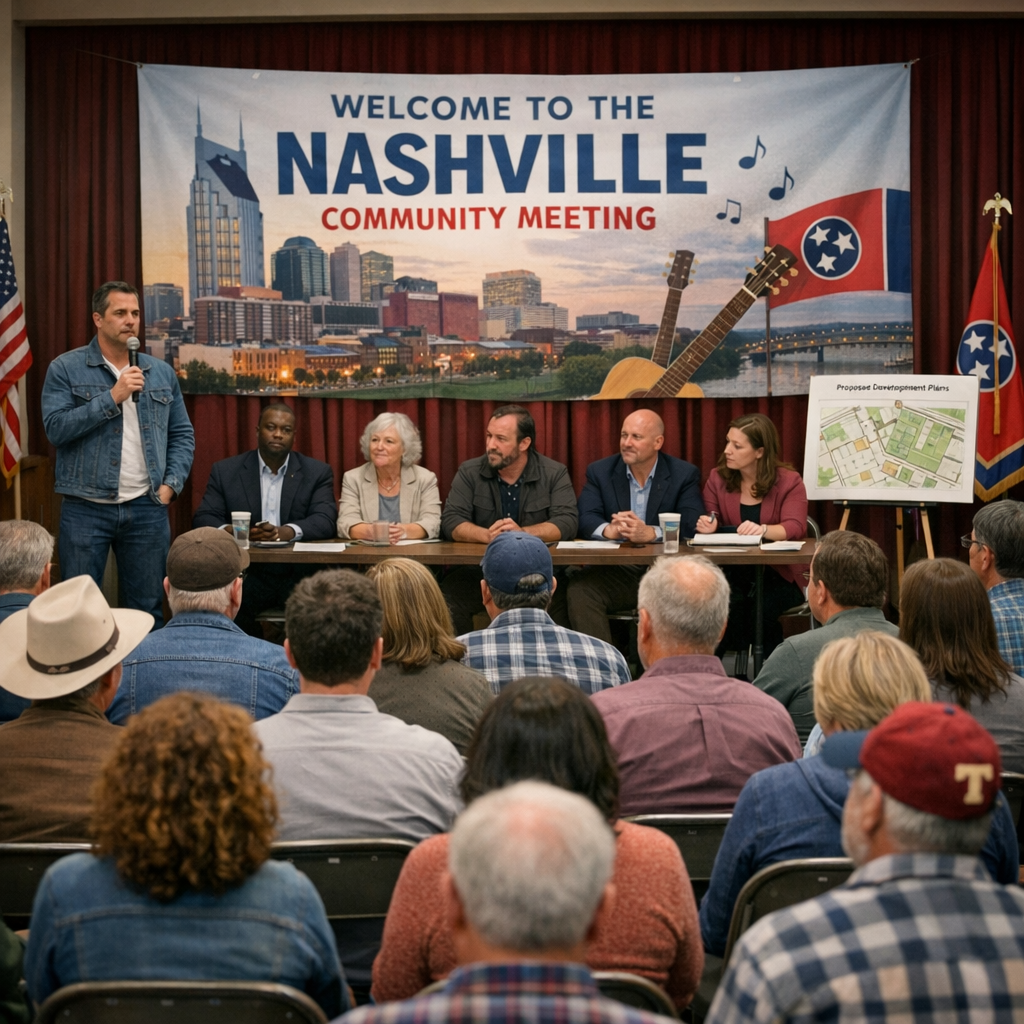
Nashville continues to experience significant growth and change, bringing both opportunities and challenges to its residents. Recent developments highlight the city’s financial health, community concerns, and proactive initiatives aimed at fostering a more inclusive and vibrant community.
Financial Health and Budget Developments
Metro Nashville’s finance director, Jenneen Reed, has expressed confidence in the city’s financial stability, even amidst modest revenue growth. The Metro Council is preparing to vote on a $3.8 billion operating budget, which includes a proposal to eliminate the city’s grocery tax. Reed emphasized a new fiscal policy requiring Nashville to maintain 17% of all operating funds and 50% of debt service obligations in reserve, reflecting a conservative approach to financial management in uncertain economic times. Despite relatively flat key revenue streams, the O’Connell administration has successfully navigated the city’s budget. However, the city’s tax policy has faced criticism, particularly regarding property tax bills that have impacted homeowners and businesses, including prominent venues such as Acme Feed & Seed. The Council is expected to finalize and vote on the budget plan on Tuesday evening.
Community Concerns and Initiatives
Opposition is intensifying against a proposed data center adjacent to the Nashville Zoo, with over 350,000 people, including country music star Brad Paisley, signing a petition to block the development. Zoo officials are concerned that the facility could disturb or potentially endanger the animals in their care. The project, led by DC Blox and valued at approximately $23 million, has not yet finalized its land purchase but has triggered backlash after applying for city permits.
Nashville Metro leaders are now working to establish regulations to manage the growing number of data center projects in the area. Councilmember Courtney Johnston, who represents the affected neighborhood, opposes the project and stresses the need for broader protective measures across the city. While DC Blox notes a small data center already exists on the proposed site, concerns persist about the new facility’s large scale and potential for future expansion. Johnston emphasizes the importance of protecting both the zoo and residential neighborhoods from unchecked development.
U.S. Senator Marsha Blackburn has also expressed opposition to the proposed data center, joining a growing bipartisan group of officials raising concerns. Blackburn highlighted the zoo as a key educational and economic asset for the community and emphasized the importance of careful site selection for data centers. Her stance carries weight as she is a leading candidate for governor and would have influence over future data center policies in the state. Blackburn also revealed her past involvement with the zoo as a former board member. The dispute has escalated with zoning appeals filed by a local official and the zoo’s attorney aimed at halting the project.
Community Building Efforts
Amid national trends of declining neighborhood interaction, Nashville residents are finding creative ways to build community and connect with their neighbors. This grassroots movement counters rising social isolation, which research from Vanderbilt sociologist Rachel Donnelly links to serious health risks, including increased mortality and dementia.
Residents shared various simple yet effective strategies: Sally M. hosts casual “Wine Wednesday” gatherings that evolved into a book club and holiday open houses; Josette K.’s neighbors started with summer treats and built up to group vacations; Kathy H. leverages dog meet-ups at Dragon Park to foster friendships; and Karen C. emphasizes friendly daily gestures like waving and sharing produce.
Overall, these stories show that community building often begins with small, informal interactions rather than elaborate events. The key takeaway: forging neighborhood bonds doesn’t require major effort or funding, just genuine, consistent connection.
Downtown Engagement and Safety
A recent report from the Gensler Research Institute reveals that Downtown Nashville is not particularly “sticky” for local residents, meaning many tend to avoid the area regularly and do not linger when they do visit. The “stickiness” metric used in the report measures how frequently residents go downtown and how long they stay. In contrast, Detroit ranked as the “stickiest” downtown among 34 U.S. cities surveyed. Despite serving as a major tourism hub known for its entertainment and socializing venues, Downtown Nashville faces issues with public safety, including concerns over excessive drinking and crime, which likely contribute to locals’ hesitancy. However, the area still received positive feedback for its vibrancy, authenticity, and memorability. The study gathered input from 35,000 residents across 75 cities worldwide between July and November 2025, indicating a broader trend: fewer than half of residents surveyed in all cities visited their downtown areas weekly, and less than a third spent leisure time there. Efforts by tourism promoters are underway to address the rowdy atmosphere in hopes of making Downtown Nashville more appealing to its residents.
Additionally, a recent poll commissioned by the Downtown Partnership reveals that many Nashvillians view downtown favorably in terms of cleanliness, with 33% stating it is cleaner than their own neighborhoods, compared to 26% who believe their areas are cleaner. The survey of 417 registered voters was conducted via phone and text between April 9 and 11. The results emerge amid ongoing debates about downtown safety and cleanliness, fueled by increasing scrutiny from the progressive city council over public safety investments. The Downtown Partnership and the Central Business Improvement District (CBID), which funds supplemental services through fees from downtown businesses and residents, are under evaluation. In response, the Partnership has presented a detailed spending plan for the first time in two decades for inclusion in the Metro budget. Public safety remains a central issue for the council, which is set to vote on the CBID budget in an upcoming meeting. Downtown Partnership President Turner emphasized that the poll indicates broad public support for ongoing efforts to maintain cleanliness and safety downtown.
Looking Ahead
As Nashville continues to evolve, it is crucial for city leaders and residents to collaborate in addressing these challenges and opportunities. By fostering open dialogue, implementing thoughtful policies, and supporting community-driven initiatives, Nashville can navigate its growth while preserving the unique character and inclusivity that define the city.