

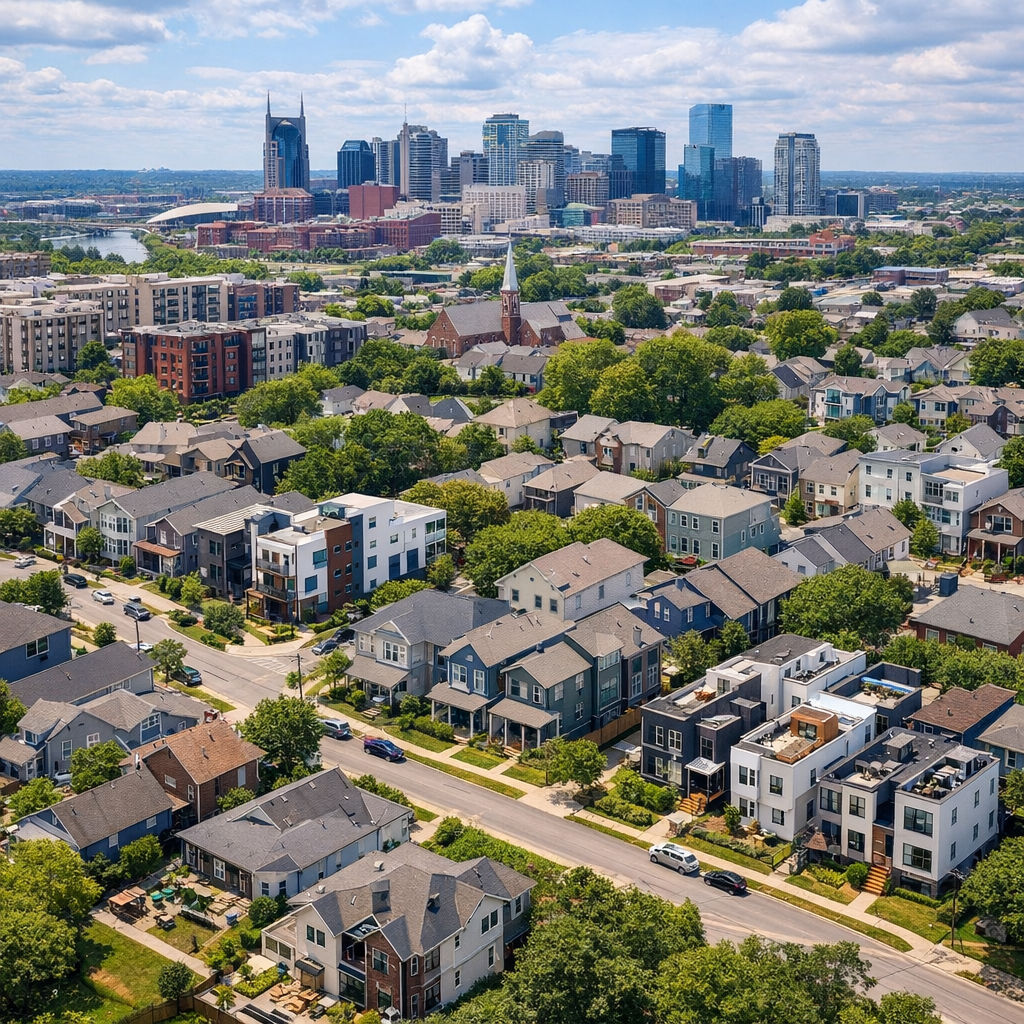
Nashville is grappling with a significant housing affordability crisis. A recent Vanderbilt University poll revealed that 82% of residents feel they cannot afford to purchase a home in Davidson County. This alarming statistic underscores the growing economic challenges faced by many Nashvillians.
The city’s rapid population growth and rising cost of living have intensified these concerns. While initiatives like the Unified Housing Strategy have been introduced to increase the supply of affordable housing, the demand continues to outpace availability. In fiscal year 2025, city funding supported the construction and preservation of nearly 1,800 affordable housing units. Despite these efforts, the affordability gap remains a pressing issue.
Community organizations and local leaders are actively seeking solutions. For instance, Metro Social Services has released interactive maps highlighting areas affected by gentrification, wage disparities, and poverty. These tools aim to provide a clearer understanding of the socio-economic patterns in Nashville and guide targeted interventions.
Residents are also taking grassroots initiatives to build community and support one another. Simple actions, such as organizing neighborhood gatherings or sharing resources, have proven effective in fostering a sense of belonging and mutual aid.
Addressing the housing affordability crisis requires a multifaceted approach, combining policy changes, community engagement, and sustained investment in affordable housing projects. As Nashville continues to grow, it is imperative to ensure that all residents have access to safe and affordable housing options.