

As Nashville continues to evolve, recent reports shed light on the city’s financial health and the challenges faced by its residents.
Financial Overview
Metro Nashville’s Finance Director, Jenneen Reed, has expressed confidence in the city’s financial stability. Despite modest revenue growth, the administration has implemented a fiscal policy requiring reserves of 17% for all operating funds and 50% for debt service obligations. This conservative approach aims to navigate uncertainties in the global economic landscape. The Metro Council is set to vote on a $3.8 billion operating budget, which includes a proposal to eliminate the city’s grocery tax.
Community Concerns
Residents have voiced growing concerns about housing affordability and the rapid pace of population growth. A recent Vanderbilt Poll indicates that 82% of respondents feel they cannot afford to buy a house in Davidson County. Additionally, 79% believe the city’s population is expanding too quickly, leading to increased traffic and strain on infrastructure.
Development Projects
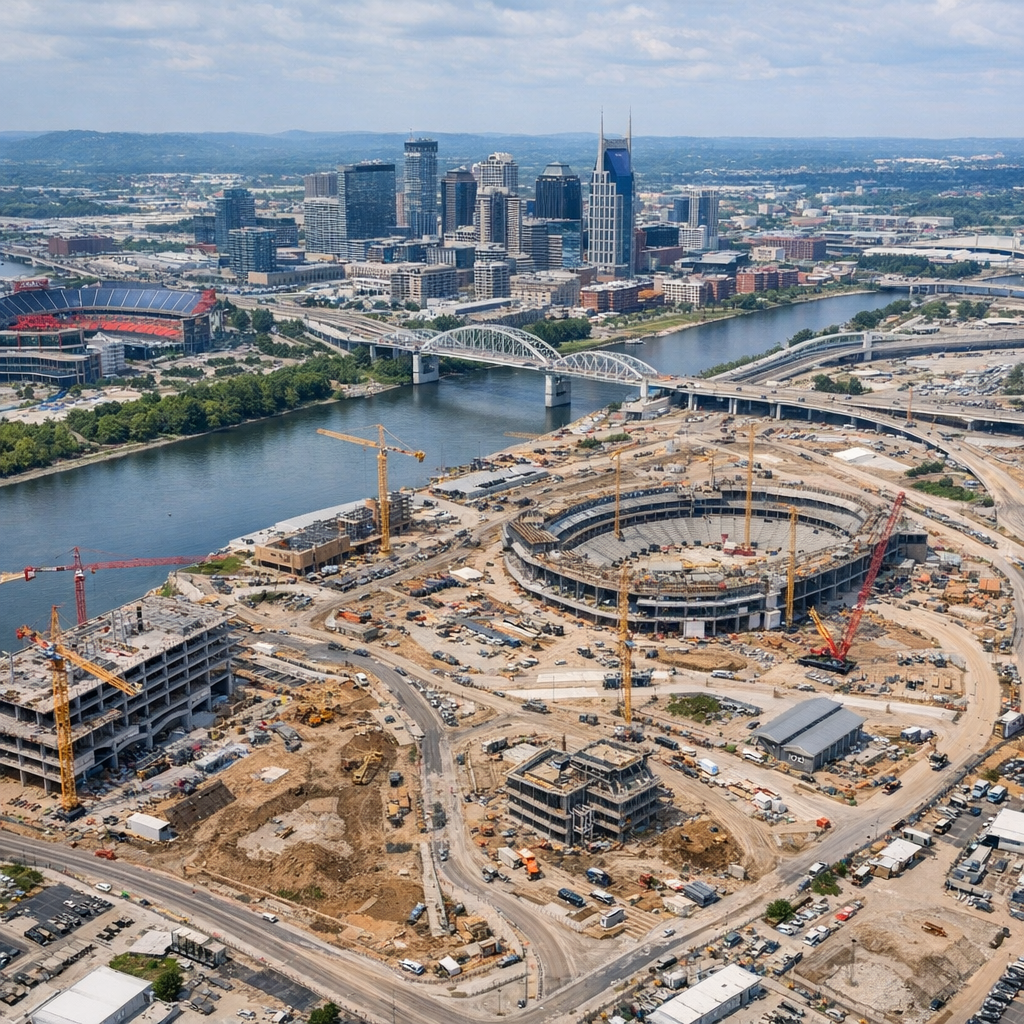
In response to these challenges, Mayor Freddie O’Connell has signed legislation rezoning a 47-acre East Bank scrapyard into the Downtown Code. This move is part of the ‘Imagine East Bank’ vision, aiming to transform the area into a vibrant urban neighborhood, potentially alleviating some housing pressures.
Community Initiatives
Amid these developments, Nashville residents are finding creative ways to build community connections. From casual neighborhood gatherings to organized events, these grassroots efforts counteract rising social isolation and foster a sense of belonging among locals.
As the city navigates these financial and social dynamics, ongoing dialogue between residents and policymakers remains crucial to ensure Nashville’s growth benefits all members of the community.