

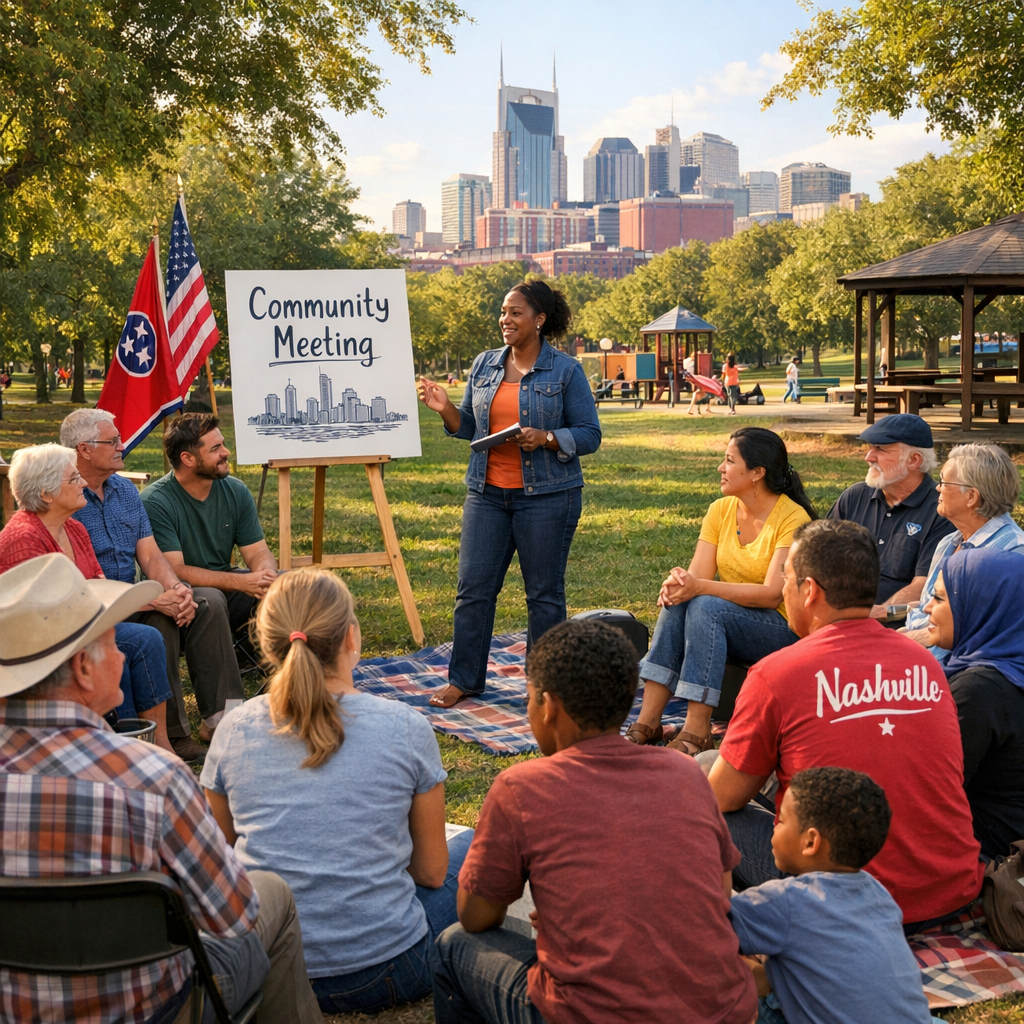
Nashville is experiencing significant transformations, bringing both opportunities and challenges to its residents. Key areas of focus include housing affordability, community health, and urban development.
Housing Affordability Concerns
Recent reports highlight growing concerns about housing affordability in Nashville. A Vanderbilt Poll indicates that 82% of residents feel they cannot afford to buy a house in Davidson County, with only 36% planning to purchase a home in the area. This unaffordability threatens the long-term fabric of the community, as residents worry about being priced out of the city they call home.
Community Health Initiatives
The Metro Public Health Department, in collaboration with local organizations, has released the 2025 Community Health Assessment. This comprehensive evaluation aims to understand the current health needs of Nashville-Davidson County and develop strategies to improve community well-being. The assessment will guide the development of community health improvement strategies, ensuring ongoing efforts are based on the current needs of the community.
Urban Development and Community Engagement
Urban development projects are reshaping Nashville’s neighborhoods. Metro Social Services has introduced interactive maps to help residents understand socio-economic patterns, including gentrification, wages, and poverty. These tools aim to foster informed community engagement and address social risks associated with rapid development.
In response to these challenges, residents are finding creative ways to build community and connect with their neighbors. Initiatives like casual neighborhood gatherings, dog meet-ups, and friendly daily gestures are fostering stronger community bonds, countering the trend of declining neighborhood interaction.
As Nashville continues to evolve, addressing housing affordability, enhancing community health, and promoting inclusive urban development remain critical to ensuring the city’s growth benefits all residents.