

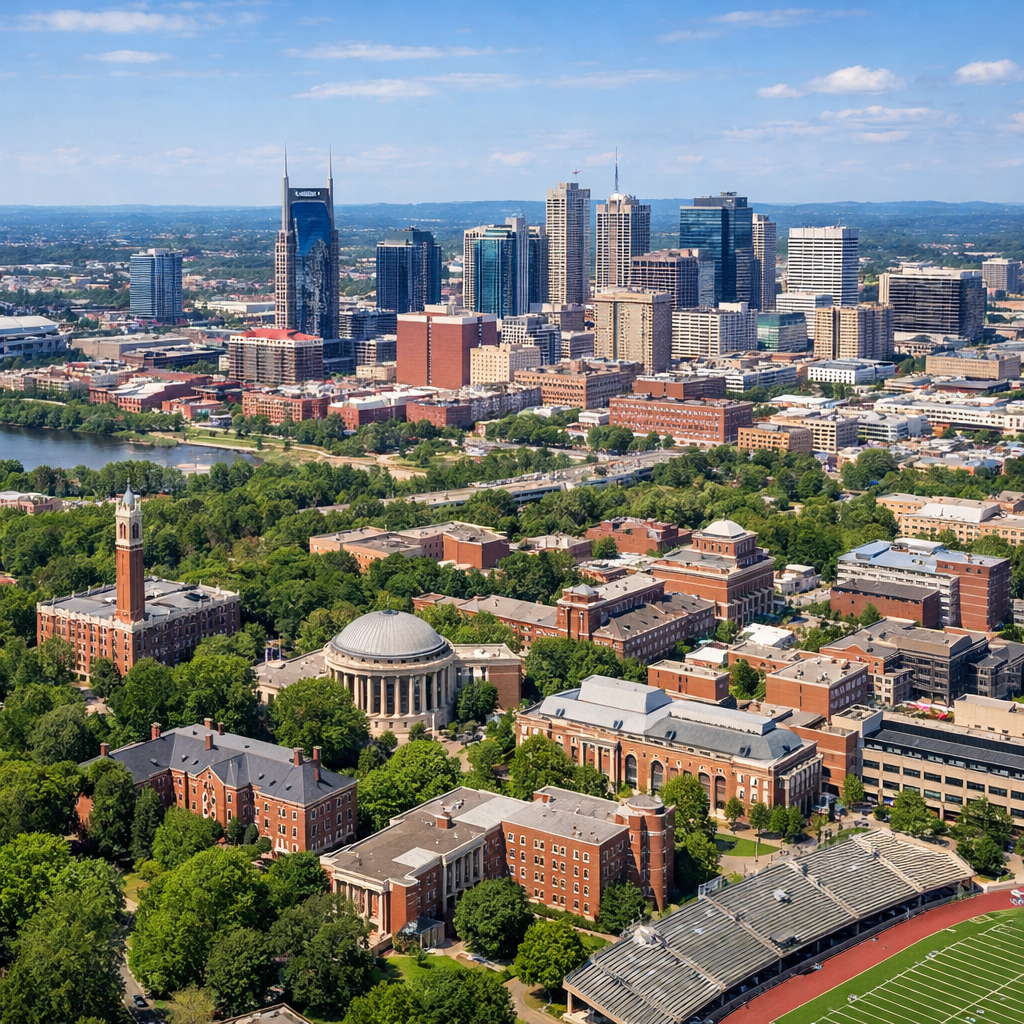
Nashville’s economy continues to flourish, even as national policies undergo significant changes. A key driver of this growth is Vanderbilt University and Vanderbilt University Medical Center, which have collectively contributed over $22 billion to Tennessee’s economy since 2019. As the largest private employer in the Nashville area, Vanderbilt’s influence extends beyond education and healthcare, impacting various sectors of the local economy.
Between 2019 and 2024, Vanderbilt’s operations supported approximately 120,000 jobs in Nashville, accounting for more than 10% of the city’s employment. The university’s direct spending, including payroll and procurement, reached $10 billion in the last fiscal year alone. These figures underscore Vanderbilt’s pivotal role in sustaining and enhancing Nashville’s economic landscape.
In addition to institutional contributions, Nashville’s population growth has been a significant factor in its economic expansion. The city added nearly 9,300 residents in 2025, the highest increase among Tennessee’s 95 counties. This surge presents both challenges and opportunities, including rising home prices, increased traffic, and the need for expanded infrastructure. However, it also brings innovation, new businesses, and high-paying jobs to the area.
While domestic migration continues to fuel this growth, international migration has seen a decline due to national immigration policy changes. In 2024, Davidson County added over 14,000 people through international migration, but this source of growth stalled in 2025. Despite this, Nashville’s economy remains resilient, adapting to these shifts and continuing its upward trajectory.
As Nashville navigates these national policy changes, the city’s commitment to education, healthcare, and community engagement positions it well for sustained economic prosperity.