

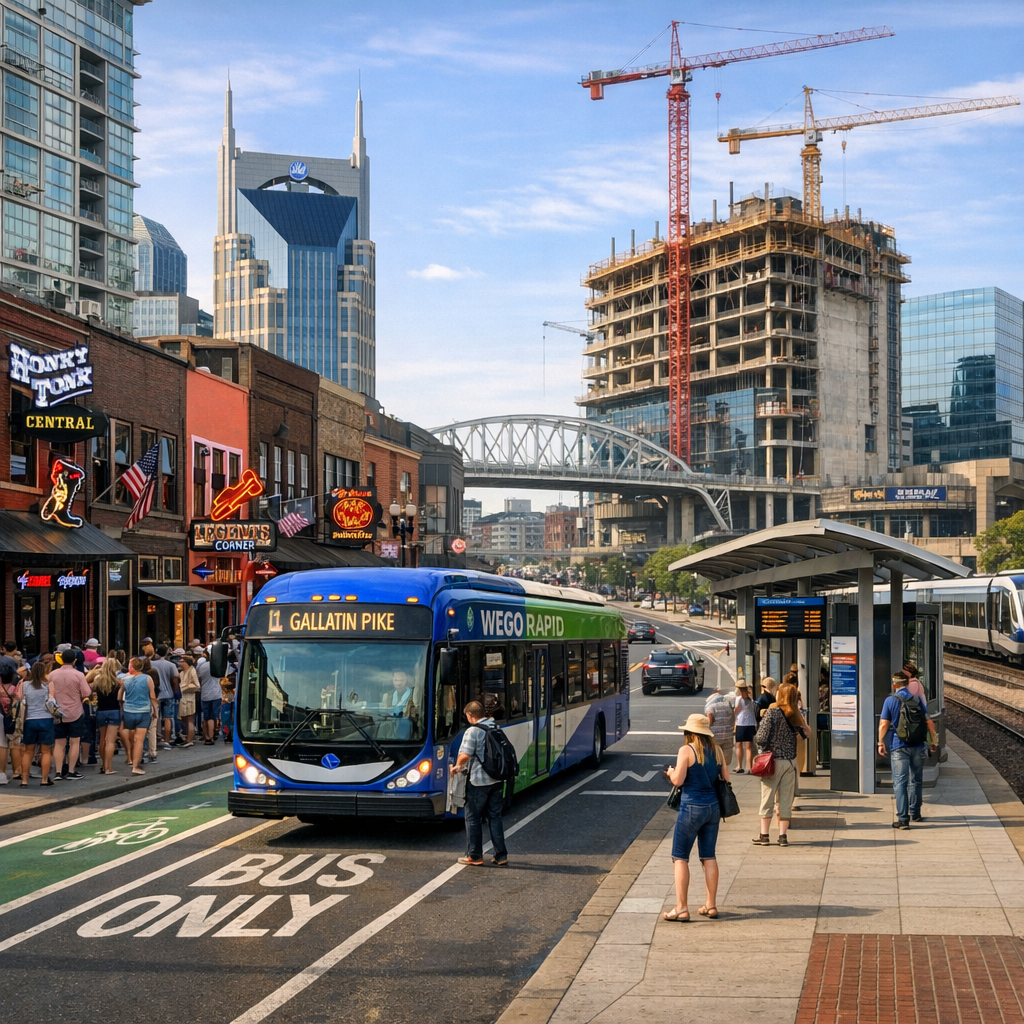
Nashville continues to experience significant economic growth, even as national policies present new challenges and opportunities. The city’s resilience is evident in its expanding population, educational advancements, and strategic initiatives.
Population Growth and Economic Impact
In recent years, Nashville has been a focal point for Tennessee’s population increase. Davidson County, in particular, added nearly 9,300 residents in 2025, leading the state’s 95 counties. This surge brings both challenges, such as rising home prices and increased traffic, and opportunities, including innovation and job creation. Notably, domestic migration from other U.S. states has been a primary driver of this growth, while international migration has seen a decline due to changes in national immigration policies.
Education and Income Correlation
Education remains a key factor in Nashville’s economic landscape. Data from 2024 indicates that adults aged 25 or older without a college education earned a median income of $41,393. This underscores the importance of higher education in achieving financial stability. To address barriers like rising tuition and student debt, Tennessee has implemented programs such as Tennessee Reconnect, offering tuition-free community or technical college education to residents aged 25 and older. Approximately 11,000 individuals have participated in this program, highlighting the state’s commitment to accessible education.
Housing Market Dynamics
The COVID-19 pandemic has left a lasting impact on Nashville’s housing market. Historically low borrowing costs and the rise of remote work led to a homebuying boom, causing home prices to soar. Middle Tennessee, including areas like East Nashville, witnessed home values increase by 50% since 2020. As mortgage interest rates have risen from their 2021 lows, potential buyers face challenges, prompting many to seek more affordable options in the suburbs.
Infrastructure and Transportation Initiatives
In response to the city’s growth and evolving needs, Nashville has launched the “Choose How You Move” program. Within a year of its approval, Mayor Freddie O’Connell announced $104 million in funding for transit projects. These include sidewalk improvements, smart signals at over 100 intersections, enhanced airport transit, street redesigns, and upgrades to the WeGo public transportation system. Additionally, a free bus fare program for qualifying low-income residents, known as the “Journey Pass,” has been introduced to promote equitable access to transportation.
As Nashville navigates the complexities of national policy shifts, its proactive measures in education, housing, and infrastructure position the city for continued economic prosperity.