

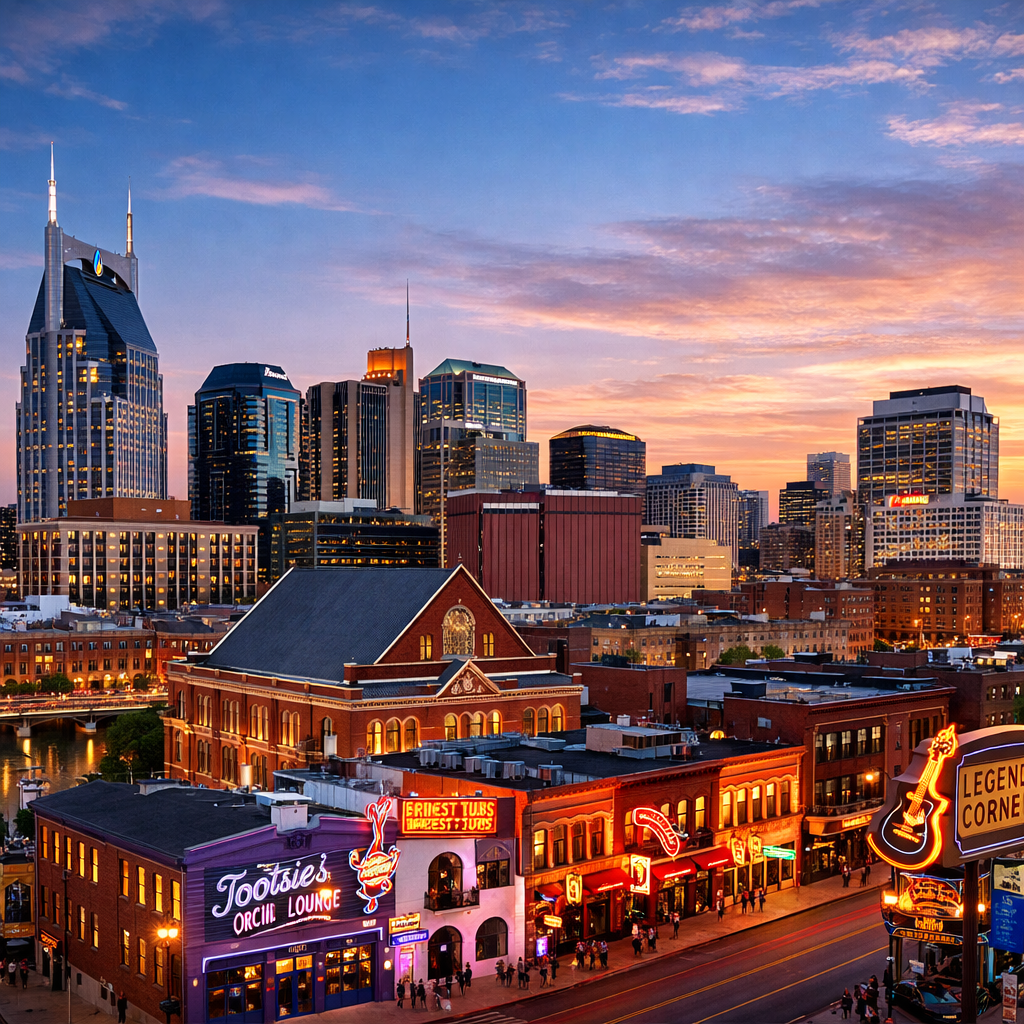
Nashville, long celebrated as the heart of country music, has undergone a remarkable transformation into a dynamic business hub. This evolution mirrors broader national economic trends and offers insights into the interplay between cultural heritage and economic development.
Population Growth and Economic Expansion
In recent years, Nashville has experienced significant population growth, outpacing many other U.S. cities. This surge is attributed to domestic migration and international immigration, contributing to a diverse and expanding workforce. The influx of residents has spurred demand in various sectors, including housing, education, and healthcare.
Educational Attainment and Income Levels
Data indicates a strong correlation between higher education and income levels in Nashville. Adults with college degrees tend to earn substantially more than those without, highlighting the importance of educational opportunities in economic mobility. Initiatives like Tennessee Reconnect aim to make higher education more accessible, addressing barriers such as tuition costs and student debt.
Housing Market Dynamics
The housing market in Nashville has been reshaped by factors like low borrowing costs and the rise of remote work. Home prices have surged, making affordability a pressing issue for many residents. This trend reflects national patterns observed in urban centers across the country.
Infrastructure and Transportation Initiatives
To accommodate its growing population and economic activity, Nashville has invested in infrastructure and transportation projects. The “Choose How You Move” program, for instance, has allocated significant funding for transit improvements, including sidewalk enhancements, smart traffic signals, and expanded public transportation options. These efforts aim to improve mobility and support sustainable growth.
Economic Contributions of Key Institutions
Institutions like Vanderbilt University and Vanderbilt University Medical Center have played pivotal roles in Nashville’s economic landscape. Between 2019 and 2024, these institutions contributed over $22 billion to the local and state economies. Their investments in research, healthcare, and education have not only created jobs but also attracted talent and innovation to the region.
National Events and Local Impact
Hosting major national events, such as the upcoming Super Bowl, underscores Nashville’s emergence as a prominent business and tourism destination. The city plans to invest $60 million into the event, anticipating substantial economic returns through tourism and related activities. This strategy aligns with national trends where cities leverage large-scale events to boost local economies.
Nashville’s journey from a music-centric city to a multifaceted business hub exemplifies the dynamic nature of urban development in the United States. By balancing cultural heritage with economic innovation, Nashville offers a model for other cities navigating similar transformations.