

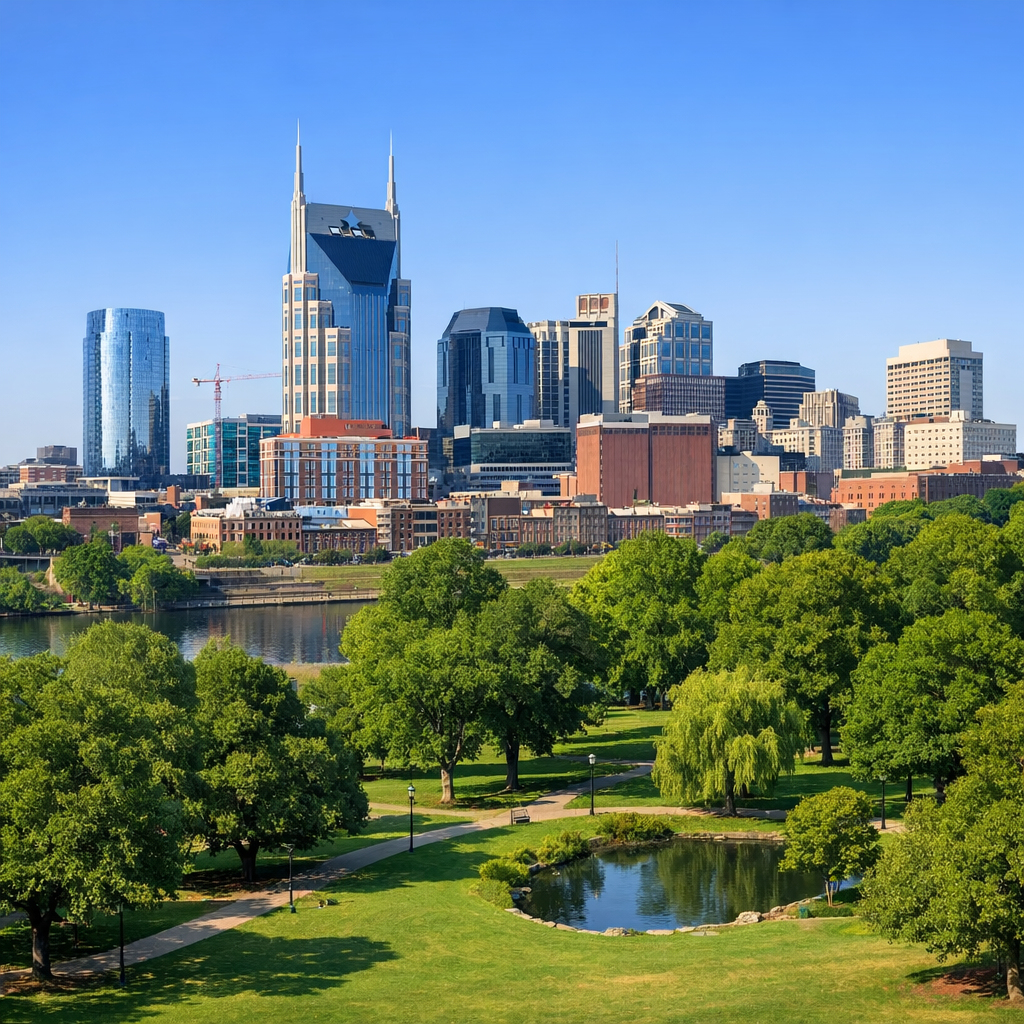
Nashville is experiencing notable shifts in its climate, with rising temperatures and more frequent extreme weather events. These changes pose challenges to the city’s infrastructure, public health, and natural ecosystems.
Understanding the Impact
Recent data indicates that Nashville’s average summer temperatures have increased by approximately 3.3°F, accompanied by a rise in humid heat days and severe weather incidents. Such trends underscore the urgency for proactive measures to mitigate climate-related risks.
City Initiatives for Climate Resilience
In response, Metro Nashville has developed a Climate Action Plan focusing on:
- Decarbonizing the electrical grid.
- Enhancing energy efficiency in buildings.
- Promoting sustainable transportation options.
These strategies aim to reduce greenhouse gas emissions and bolster the city’s capacity to adapt to climate change.
Community Engagement and Education
Organizations like Urban Green Lab are pivotal in educating residents about sustainable living practices. Their programs have reached nearly half of Davidson County’s zip codes, fostering a community-wide commitment to environmental stewardship.
Environmental Conservation Efforts
The Centennial Park Conservancy has allocated over $200,000 since 2020 to support local environmental projects. These funds have facilitated the planting of more than 380 trees across various parks and schools, contributing to the city’s green infrastructure.
Looking Ahead
As Nashville continues to grow, integrating climate resilience into urban planning and community initiatives remains essential. Collaborative efforts between the city government, nonprofits, and residents are crucial in building a sustainable and resilient Nashville for future generations.