

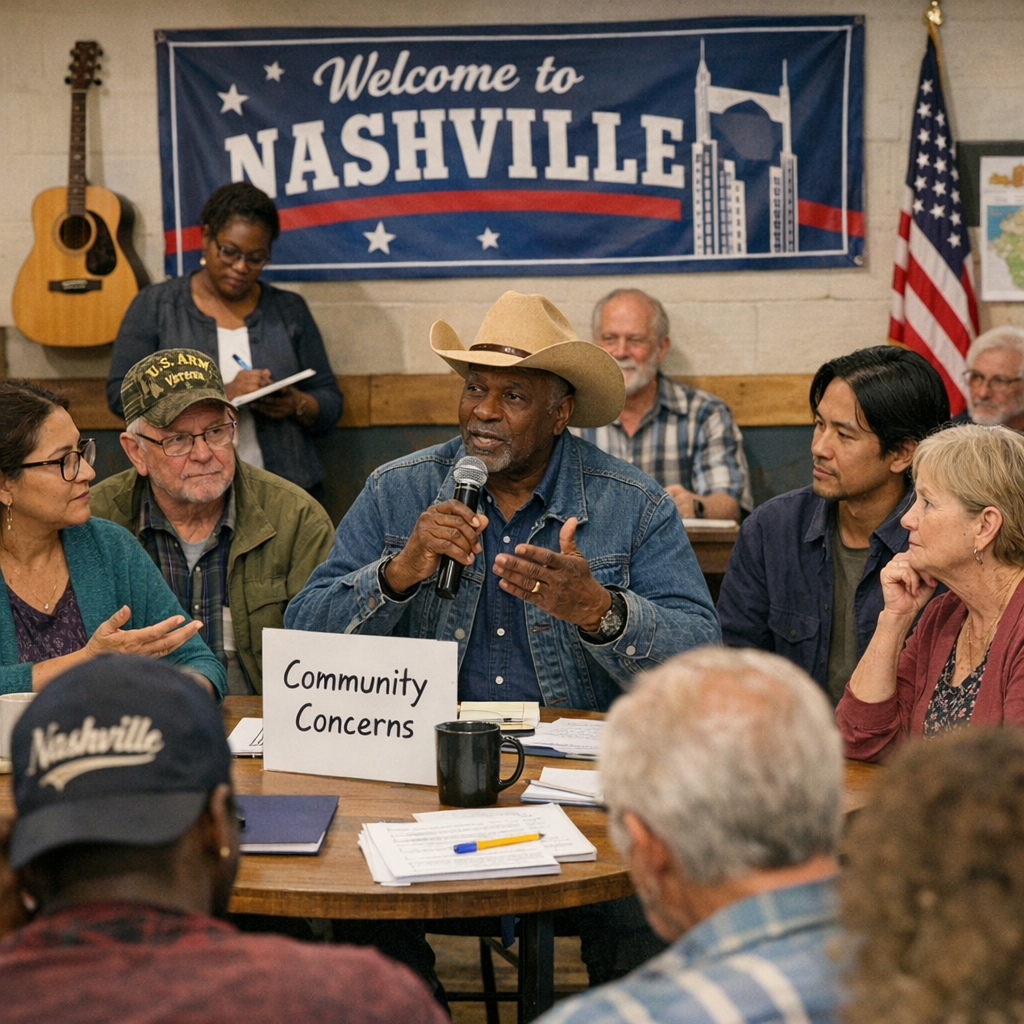
Nashville’s rapid growth has brought prosperity to many, but it has also intensified affordability challenges, particularly for African American residents. A recent report by Metro Social Services highlights the stark disparities in economic well-being within our community.
Key Findings from the Community Needs Evaluation
The 17th annual Community Needs Evaluation, titled “Affordability Challenges for African Americans in Nashville: Enduring Legacies. Emerging Issues,” reveals several concerning trends:
- The overall poverty rate in Nashville stands at 11.9%, yet for African American residents, it escalates to 18.0%.
- Unemployment among Black workers is significantly higher, with a rate of 5.5% compared to 2.0% for White workers, even when educational levels are similar.
- Nearly half of all renters in Nashville are “cost-burdened,” spending more than 30% of their income on housing.
These statistics underscore the enduring economic challenges faced by African American communities in Nashville.
Community and Leadership Response
In response to these findings, Mayor Freddie O’Connell emphasized the need for urgent and intentional action. He highlighted ongoing initiatives aimed at improving transit access in North Nashville, investing in affordable housing, and supporting minority-owned businesses. The goal is to create a Nashville where every resident can thrive.
Renowned activist and Vanderbilt University Distinguished Professor Dr. Michael Eric Dyson addressed community stakeholders, urging them to challenge systemic inequities and work towards meaningful change.
Moving Forward
Addressing Nashville’s affordability crisis requires a collaborative effort from city officials, community organizations, and residents. By focusing on equitable development and targeted support, Nashville can strive to become a city where prosperity is shared by all.