

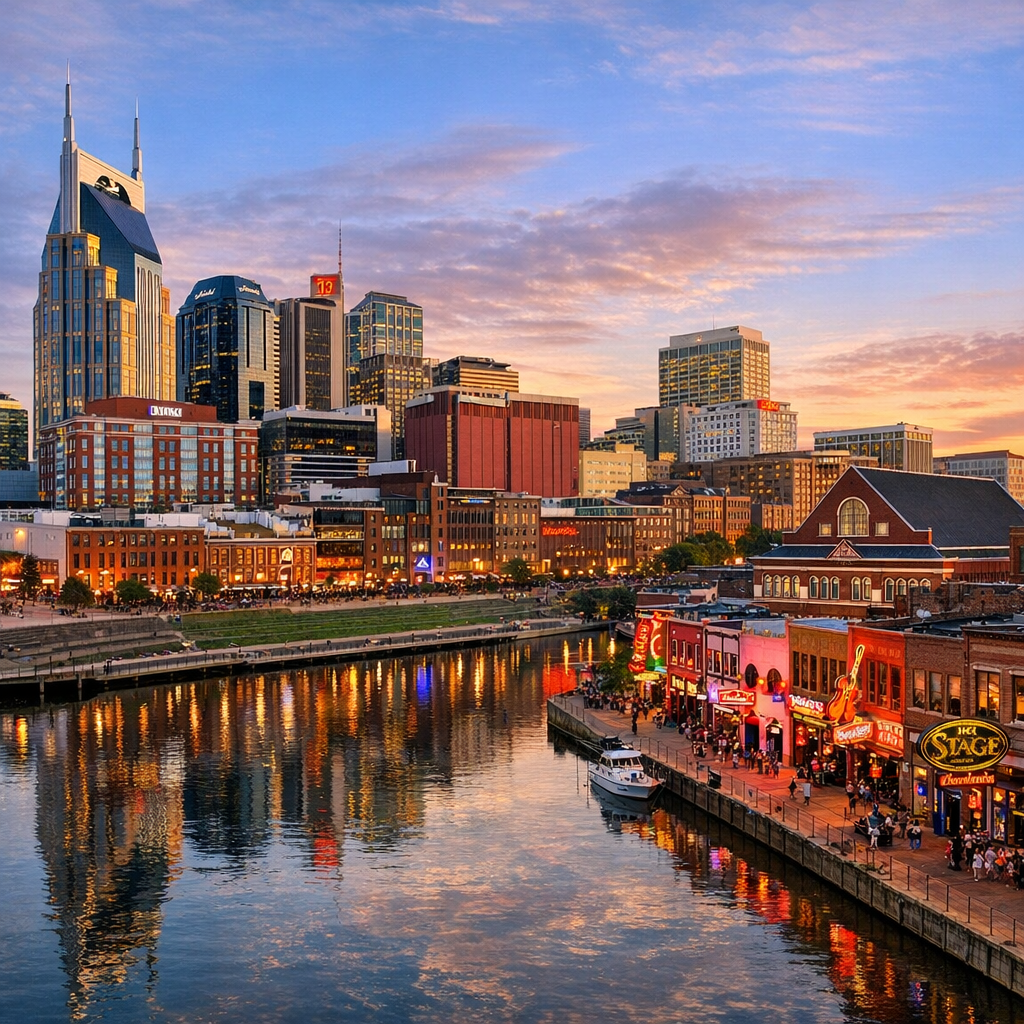
Nashville, long celebrated as the heart of country music, has undergone a remarkable transformation into a burgeoning business hub. This evolution is marked by significant economic growth, diversification, and an influx of new residents and industries.
Population Growth and Economic Impact
In recent years, Nashville has experienced substantial population growth. In 2025, Davidson County added nearly 9,300 new residents, the highest increase among Tennessee’s 95 counties. This surge underscores the city’s appeal and the opportunities it offers. However, rapid growth brings challenges such as rising home prices, increased traffic, and higher tax bills. Conversely, it also presents opportunities in innovation, new businesses, and high-paying jobs.
Educational Attainment and Income Levels
Education plays a pivotal role in Nashville’s economic landscape. Data from 2024 indicates that adults aged 25 or older without a college education earned a median income of $41,393. This highlights the wage gap between high school graduates and those with higher education. To address this, Tennessee introduced initiatives like Tennessee Reconnect, offering tuition-free community or technical college education to residents aged 25 and older. Approximately 11,000 individuals have participated in the program’s coaching services, guiding students through financial and personal hurdles to complete their degrees.
Housing Market Dynamics
The COVID-19 pandemic significantly reshaped Nashville’s housing market. Home prices soared due to historically low borrowing costs and the rise of remote work, making homeownership increasingly unattainable for many residents. Middle Tennessee, in particular, saw sharp price increases, with areas like East Nashville experiencing home value increases of up to 50% since 2020. As housing became more expensive, prospective buyers began to look farther into the suburbs in search of more affordable options.
Vanderbilt University’s Economic Contribution
Vanderbilt University and Vanderbilt University Medical Center have been instrumental in Nashville’s economic development. Between 2019 and 2024, they contributed $22.13 billion to the city’s and state’s economies. As the largest private employer in the Nashville area and the second-largest in Tennessee, Vanderbilt’s impact extends beyond its campus, shaping the region’s economy, quality of life, and future growth.
Super Bowl 2030: A Major Economic Event
Looking ahead, Nashville is set to host Super Bowl LXIV in 2030. The city plans to invest $60 million into the event, expecting a substantial return on investment. The Super Bowl is projected to generate $386 million in direct spending for Tennessee and approximately $706 million in total economic impact. This event underscores Nashville’s growing prominence on the national stage and its ability to host major events.
Nashville’s journey from a music-centric city to a thriving business hub reflects its dynamic economic growth and diversification. While challenges accompany this transformation, the city’s proactive initiatives and strategic investments position it for a prosperous future.