

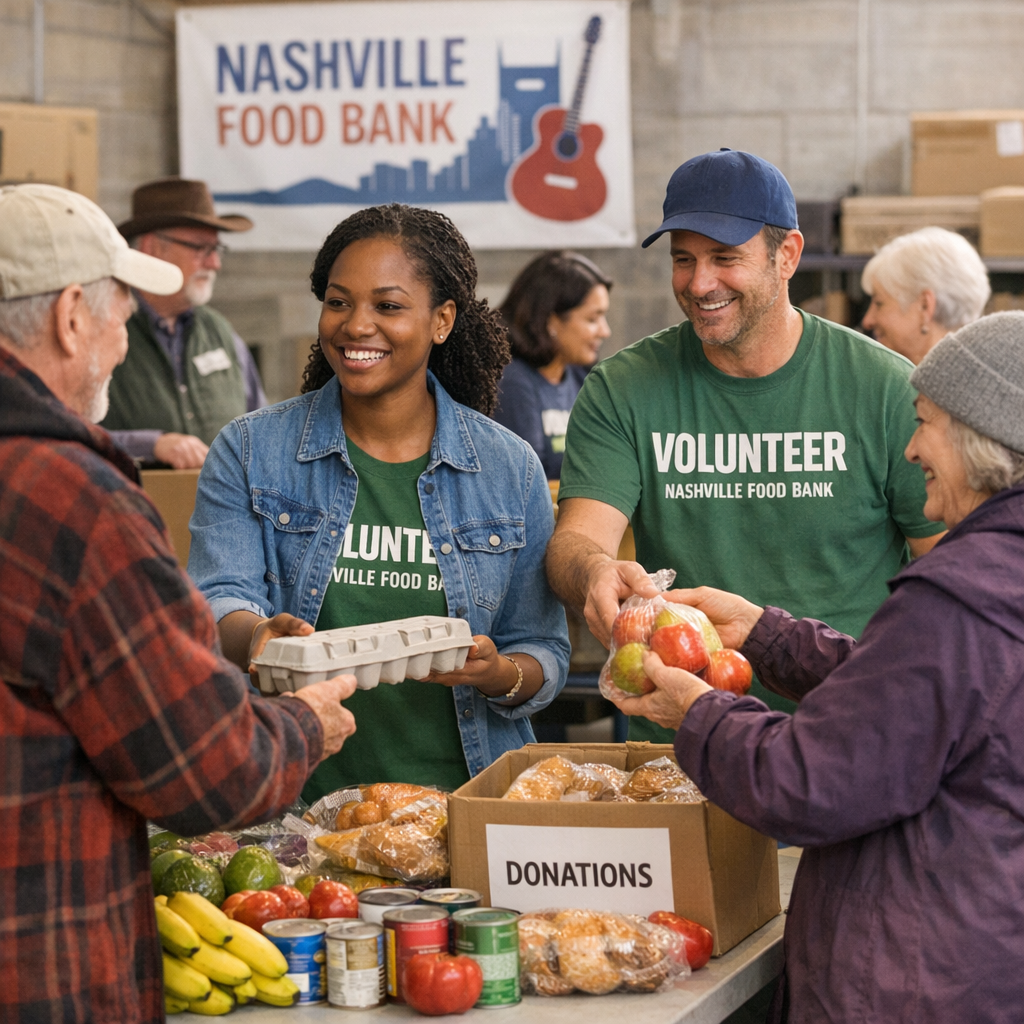
Nashville is actively addressing critical community health issues, focusing on food insecurity and housing affordability. Recent initiatives and assessments highlight the city’s commitment to improving residents’ well-being.
Combating Food Insecurity
Over 12% of Nashville’s population, including one in five children, lack reliable access to food. This pressing issue has prompted the launch of FeedBack Nashville, a collaborative effort between local organizations and the metro government. The initiative aims to provide consistent access to nutritious meals for over 80,000 residents facing food shortages. C.J. Sentell, CEO of The Nashville Food Project, emphasized that such persistent food insecurity indicates systemic issues that require comprehensive solutions.
Addressing Housing Affordability
Housing affordability remains a significant concern for Nashvillians. A recent Vanderbilt Poll revealed that 82% of residents feel they cannot afford to purchase a home in Davidson County. Additionally, 79% believe the city’s population is growing too quickly, exacerbating housing challenges. These findings underscore the need for strategic planning to ensure sustainable growth and affordable housing options for all residents.
Community Health Assessment
To better understand and address these challenges, the Metro Public Health Department, in collaboration with local healthcare institutions and social services, conducted the 2025 Community Health Assessment. This comprehensive evaluation identifies unmet health needs and serves as a foundation for developing targeted improvement strategies. The assessment reflects the city’s dedication to fostering a culture of compassion and well-being, where all residents can thrive.
Through initiatives like FeedBack Nashville and ongoing community assessments, Nashville demonstrates a proactive approach to tackling food insecurity and housing affordability, striving to create a healthier and more equitable environment for its residents.