

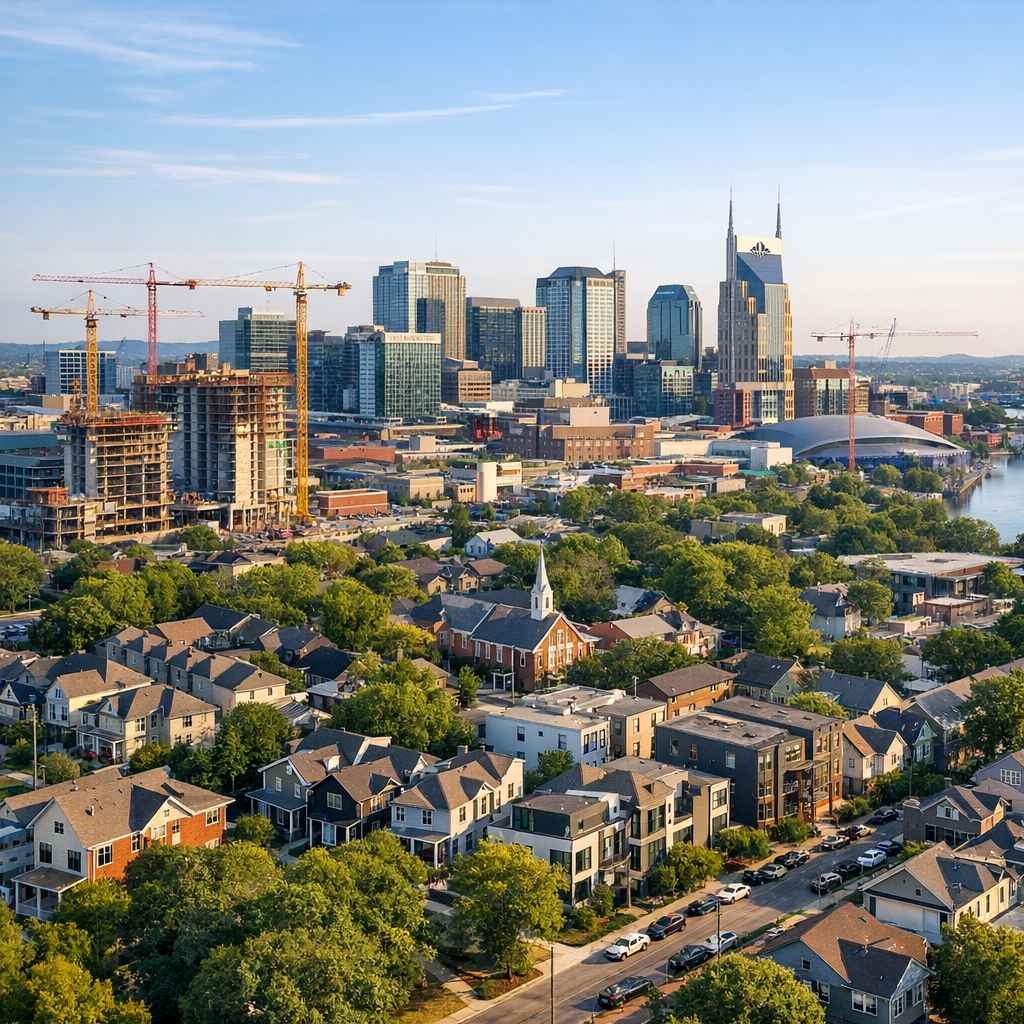
Nashville’s rapid growth has brought both opportunities and challenges, particularly in housing affordability, data center developments, and transportation infrastructure.
Housing Affordability Concerns
Recent reports highlight significant affordability issues, especially among African American residents. The 2026 Community Needs Evaluation revealed that the poverty rate for African Americans in Nashville stands at 18%, compared to the overall rate of 11.9%. Additionally, nearly half of all renters are “cost-burdened,” spending more than 30% of their income on housing. These disparities underscore the need for targeted interventions to ensure equitable access to affordable housing.
Data Center Developments and Community Response
Proposed data centers near the Nashville Zoo and Fisk University have sparked community opposition. Concerns include potential environmental impacts, increased traffic, and disruption to local neighborhoods. In response, Mayor Freddie O’Connell has initiated steps to halt these projects, including filing eminent domain legislation to acquire the land intended for the data centers. This move reflects the city’s commitment to prioritizing community interests over commercial developments.
Transportation Initiatives
To address the city’s growing transportation needs, Mayor O’Connell announced over $100 million in “Choose How You Move” capital projects. These initiatives aim to improve sidewalks, upgrade traffic signals, and enhance safety measures citywide. The focus is on creating a modern transportation system that reduces costs and improves mobility for all residents.
As Nashville continues to evolve, balancing development with the needs of its diverse communities remains a critical priority. Ongoing engagement and thoughtful planning are essential to ensure that growth benefits all Nashvillians.