

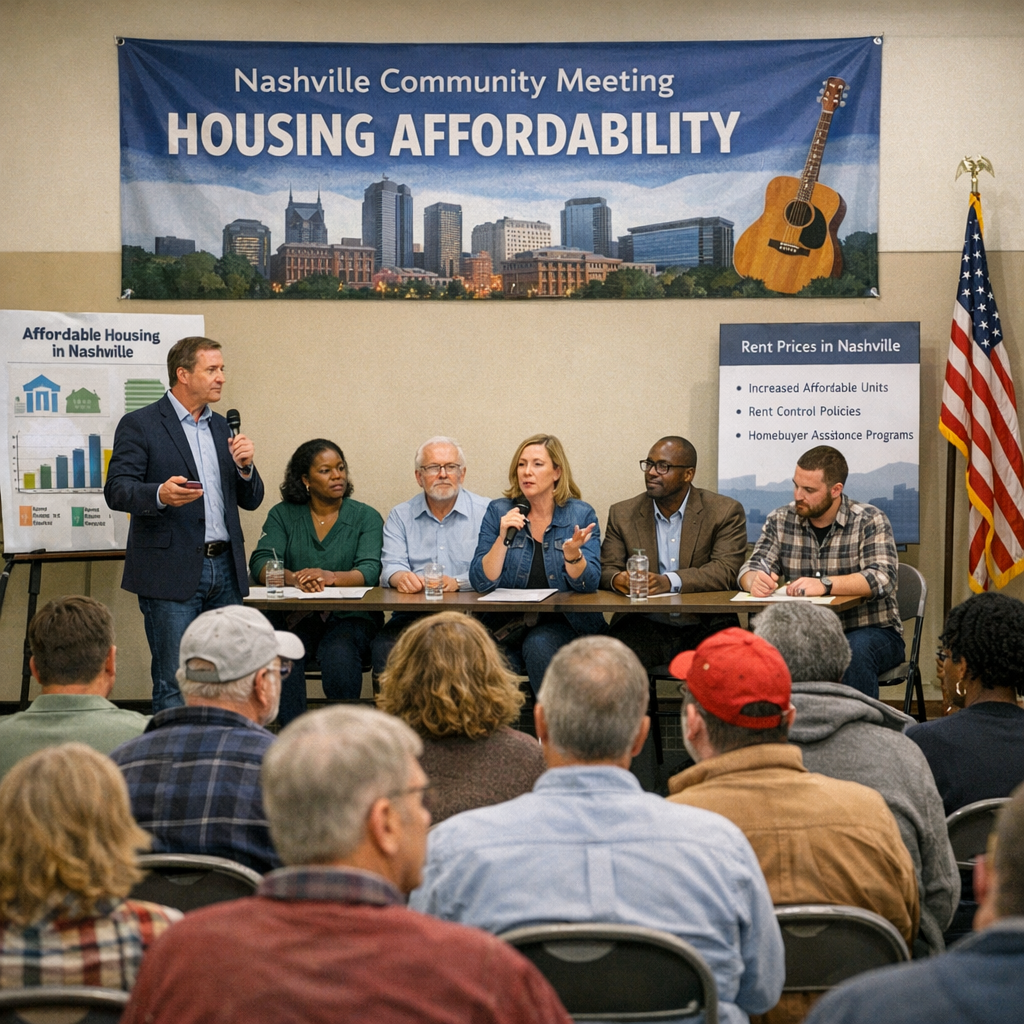
Nashville’s rapid growth has brought prosperity but also significant affordability challenges, especially for African American residents. Recent reports highlight these issues and the community’s response.
Affordability Challenges in Nashville
The Metro Social Services’ 17th annual Community Needs Evaluation reveals that Nashville’s overall poverty rate is 11.9%, with African American residents experiencing a higher rate of 18.0%. Additionally, the unemployment rate for African Americans in Davidson County stands at 5.5%, nearly three times that of white residents at 2.0%. Housing costs are also a concern, with nearly half of all renters in Nashville being “cost-burdened,” spending more than 30% of their income on housing.
Community Initiatives and Responses
In response to these challenges, various community initiatives have been launched. The Healthy Nashville Community Health Improvement Plan outlines strategies to improve health and well-being, focusing on creating a culture of compassion and well-being where all people belong, thrive, and prosper. This plan is a collaborative effort involving multiple stakeholders, including the Metro Public Health Department and local hospitals.
Additionally, the Metro Office of Homeless Services has been proactive in addressing homelessness, providing resources and support to Nashville’s unhoused neighbors. Their efforts include emergency shelters during extreme weather conditions and initiatives aimed at breaking the cycle of homelessness.
Looking Ahead
While challenges persist, Nashville’s community-driven efforts demonstrate a commitment to addressing affordability issues and promoting inclusivity. Continued collaboration and targeted strategies are essential to ensure that all residents can thrive in the city’s evolving landscape.