

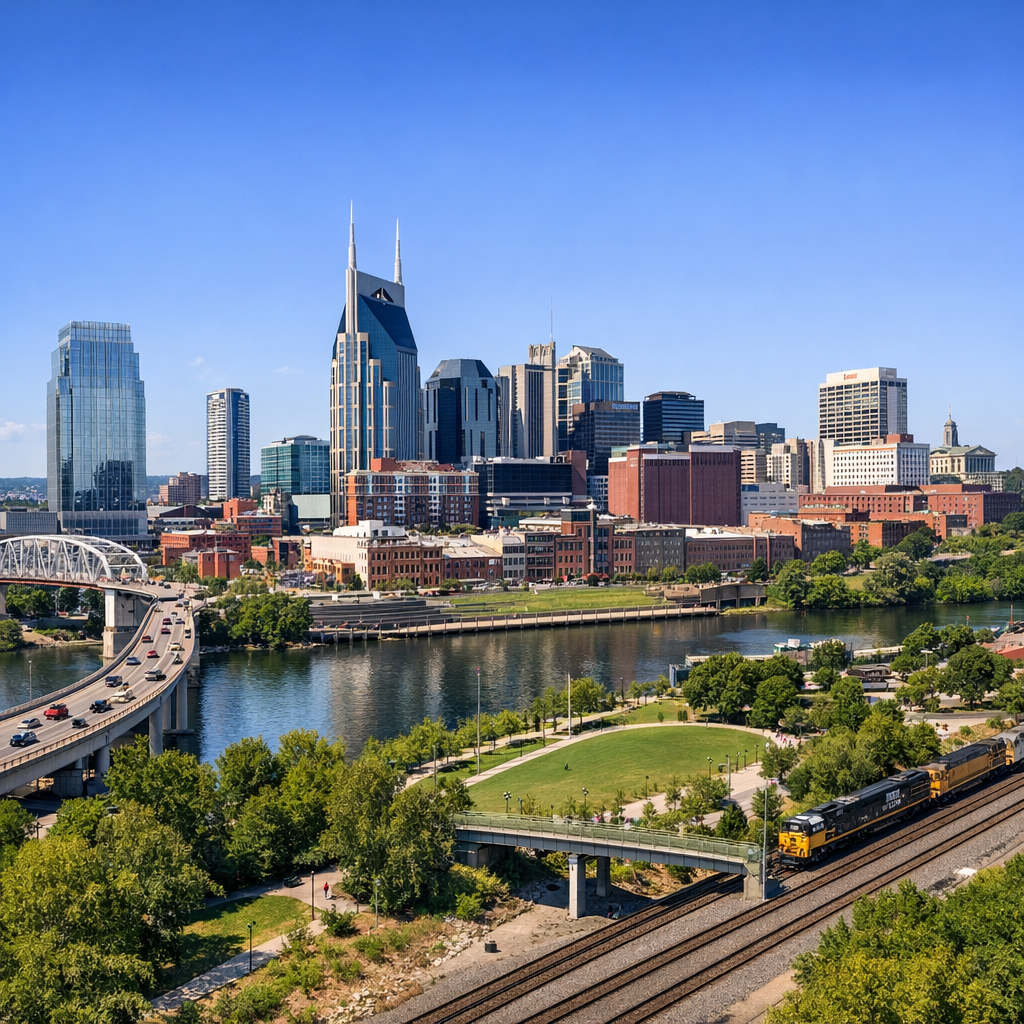
Nashville, Tennessee, experiences a humid subtropical climate characterized by hot, humid summers and mild to cool winters. Understanding these seasonal patterns is essential for residents and visitors alike.
Seasonal Weather Patterns
Summer
From late May to mid-September, Nashville’s summer temperatures often exceed 81°F (27°C), with July being the hottest month, averaging highs around 89°F (32°C). High humidity levels can make the heat feel more intense, and occasional thunderstorms are common during this period.
Winter
Spanning from late November to late February, winters are generally mild, with average daily highs below 56°F (13°C). January is typically the coldest month, with average lows around 31°F (-1°C). Snowfall is infrequent but possible, averaging about 1.7 inches in January.
Spring and Fall
These transitional seasons offer the most comfortable weather. Spring (March to May) and fall (September to November) feature moderate temperatures and lower humidity, making them ideal for outdoor activities.
Environmental Challenges
Urban Heat Islands
Urbanization has led to the development of heat islands—urban areas that experience higher temperatures due to infrastructure like roads and buildings absorbing heat. Approximately 71% of Nashville residents live in these heat-prone neighborhoods, with historically lower-income areas being disproportionately affected. Efforts are underway to mitigate these effects, including initiatives like special pavement coatings designed to reflect sunlight.
Climate Change Impacts
Climate change is intensifying weather patterns in Nashville. The city has experienced more frequent and severe heat waves, with temperatures reaching triple digits during summer months. Additionally, rainfall intensity has increased, leading to a 12% rise in hourly rainfall rates between 1970 and 2024. These changes heighten the risk of flash floods and other weather-related hazards.
Community Initiatives
In response to these challenges, Nashville has developed the Climate Adaptation and Resilience Plan (CARP), focusing on the city’s main climate hazards: flooding, tornadoes, extreme heat, winter storms, and thunderstorms. The plan aims to enhance the city’s ability to anticipate, adapt to, and recover from climate-driven disruptions.
Understanding Nashville’s climate and the environmental challenges it faces is crucial for fostering a resilient and sustainable community. By staying informed and engaged, residents can contribute to ongoing efforts to mitigate climate impacts and adapt to changing conditions.