

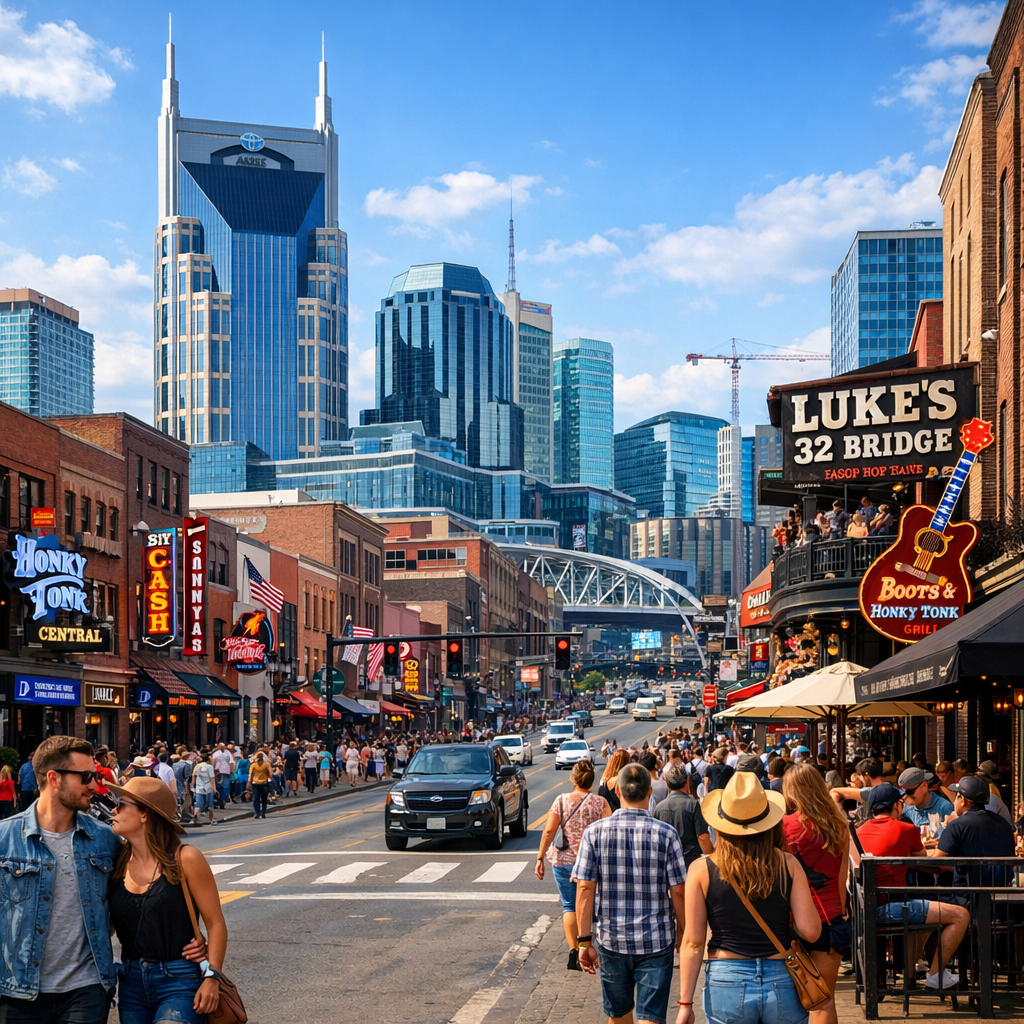
Nashville has long been celebrated for its vibrant music scene, but in recent years, our city has emerged as a significant economic powerhouse. This transformation is particularly noteworthy given the various national challenges that have impacted economies across the United States.
Healthcare and Education: Pillars of Economic Strength
Central to Nashville’s economic resilience are its robust healthcare and education sectors. Vanderbilt University and Vanderbilt University Medical Center (VUMC) exemplify this strength. Between 2019 and 2024, these institutions contributed a staggering $22.13 billion to Tennessee’s economy. As the largest private employer in the Nashville area and the second-largest in the state, Vanderbilt’s influence extends far beyond its campus, shaping the region’s economic landscape and future growth.
Tourism: A Booming Industry
Tourism has also played a pivotal role in Nashville’s economic ascent. The city’s successful bid to host Super Bowl LXIV in 2030 is a testament to its growing prominence on the national stage. While the event requires a substantial investment—approximately $60 million—the anticipated economic impact is significant. Projections estimate $386 million in direct spending and a total economic impact of $706 million. Such events not only boost local businesses but also enhance Nashville’s reputation as a premier destination for major events.
Population Growth and Housing Market Dynamics
Nashville’s appeal has led to remarkable population growth. In 2025, Davidson County added nearly 9,300 new residents, the highest increase among Tennessee’s 95 counties. This influx has brought both opportunities and challenges. On one hand, it has spurred innovation and attracted new businesses. On the other, it has intensified issues like rising home prices and increased traffic congestion. The housing market, in particular, has experienced significant shifts, with home values in areas like East Nashville increasing by 50% since 2020. This trend reflects broader national real estate patterns observed over the past five years.
Infrastructure and Transportation Initiatives
To address the challenges accompanying rapid growth, Nashville has launched several infrastructure and transportation initiatives. The “Choose How You Move” program, for instance, has allocated $104 million for transit projects. These include sidewalk improvements, smart traffic signals at over 100 intersections, enhanced airport transit options, and street redesigns. Additionally, WeGo Public Transit has introduced a free bus fare program for qualifying low-income residents, aiming to make transportation more accessible and equitable.
Looking Ahead
As Nashville continues to navigate the complexities of rapid growth and national economic fluctuations, the city’s commitment to strategic planning and investment in key sectors positions it well for sustained prosperity. By leveraging its strengths in healthcare, education, and tourism, and by proactively addressing infrastructure needs, Nashville stands as a model of economic resilience in an ever-changing national landscape.