

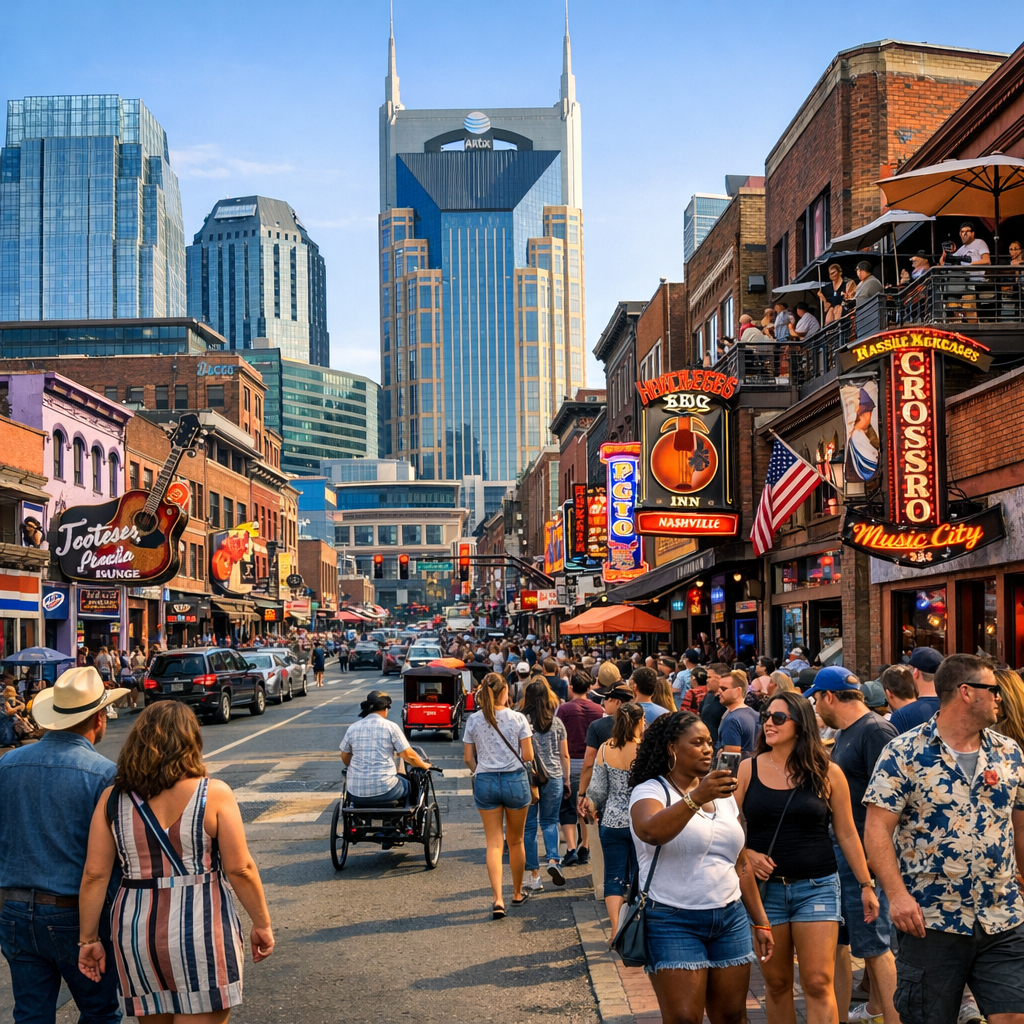
Nashville has demonstrated remarkable economic resilience, maintaining growth and stability even as national challenges have impacted other regions. This strength is largely attributed to the city’s robust healthcare, education, and tourism sectors.
Healthcare and Education: Pillars of Economic Stability
Vanderbilt University and Vanderbilt University Medical Center have been central to Nashville’s economic health. Between 2019 and 2024, these institutions contributed over $22 billion to the local and state economies. As the largest private employer in the area, Vanderbilt supports approximately 120,000 jobs in Nashville, accounting for more than 10% of the city’s employment. Their investments in construction, research, and community programs have further solidified their role as economic anchors.
Tourism: A Vital Economic Driver
Tourism remains a significant contributor to Nashville’s economy. The city is preparing to host Super Bowl LXIV in 2030, with an anticipated investment of $60 million. This event is projected to generate $386 million in direct spending and a total economic impact of $706 million. Such large-scale events not only boost immediate economic activity but also enhance Nashville’s profile as a premier destination for future tourism and business opportunities.
Population Growth and Housing Market Dynamics
Nashville’s population growth has been a double-edged sword. In 2025, Davidson County added nearly 9,300 residents, the highest increase among Tennessee’s 95 counties. This influx has spurred economic opportunities but also led to challenges like rising home prices and increased traffic. The housing market, in particular, has seen significant changes, with home values in areas like East Nashville increasing by 50% since 2020. While this reflects a strong demand, it also raises concerns about affordability for long-term residents.
Infrastructure and Transportation Initiatives
To address the challenges posed by rapid growth, Nashville has launched the ‘Choose How You Move’ program. By October 2025, the city announced $104 million in funding for transit projects, including sidewalk improvements, smart traffic signals, and enhancements to public transportation. These initiatives aim to improve mobility and support sustainable growth, ensuring that the city’s infrastructure keeps pace with its expanding population.
Conclusion
Nashville’s ability to navigate national economic challenges is a testament to its diversified economy and proactive planning. By leveraging strengths in healthcare, education, and tourism, and by investing in infrastructure and community programs, the city continues to thrive. As Nashville prepares for future events and addresses ongoing challenges, its commitment to balanced growth and economic resilience remains evident.