

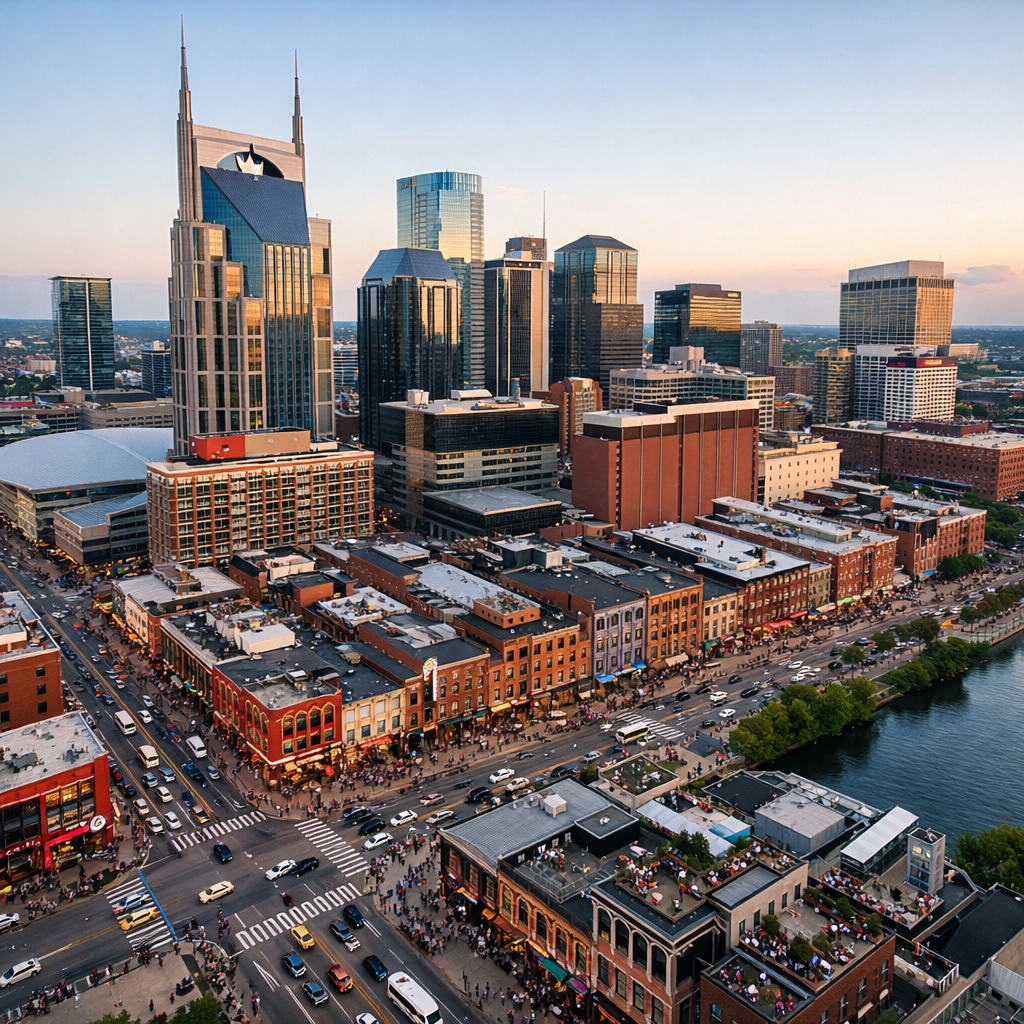
Nashville’s economic landscape is a microcosm of broader national trends, reflecting the interplay between federal policies and local dynamics. As the city continues to evolve, understanding these influences is crucial for residents and policymakers alike.
Population Growth and Housing Market
In recent years, Nashville has experienced significant population growth, positioning itself as a leading contributor to Tennessee’s demographic expansion. This surge has been accompanied by a dynamic housing market, with home prices escalating due to increased demand and limited supply. The rise of remote work and favorable borrowing conditions have further fueled this trend, making homeownership a pressing issue for many residents.
Education and Income Disparities
Education remains a pivotal factor in income levels within Nashville. Data indicates that individuals with higher educational attainment consistently out-earn their peers. However, barriers such as rising tuition costs and student debt pose challenges, particularly for those from economically disadvantaged backgrounds. Initiatives like Tennessee Reconnect aim to bridge this gap by offering tuition-free community or technical college education to residents aged 25 and older.
Economic Contributions of Vanderbilt University
Vanderbilt University and its Medical Center play a substantial role in Nashville’s economy. Together, they contribute over $22 billion annually, stemming from institutional spending, employment, and community engagement. As the largest private employer in the area, Vanderbilt’s impact extends beyond academia, influencing various sectors and supporting numerous jobs.
Upcoming Super Bowl and Economic Projections
Looking ahead, Nashville is set to host Super Bowl LXIV in 2030. The city plans to invest $60 million into the event, anticipating a significant return on investment. Projections estimate that the Super Bowl could generate $386 million in direct spending for Tennessee and approximately $706 million in total economic impact. While such events promise substantial economic benefits, it’s essential to approach these projections with cautious optimism, as actual outcomes can vary.
Conclusion
Nashville’s economic trajectory is intricately linked to national policies and trends. By staying informed and proactive, the city can navigate these influences to foster sustainable growth and prosperity for its residents.