

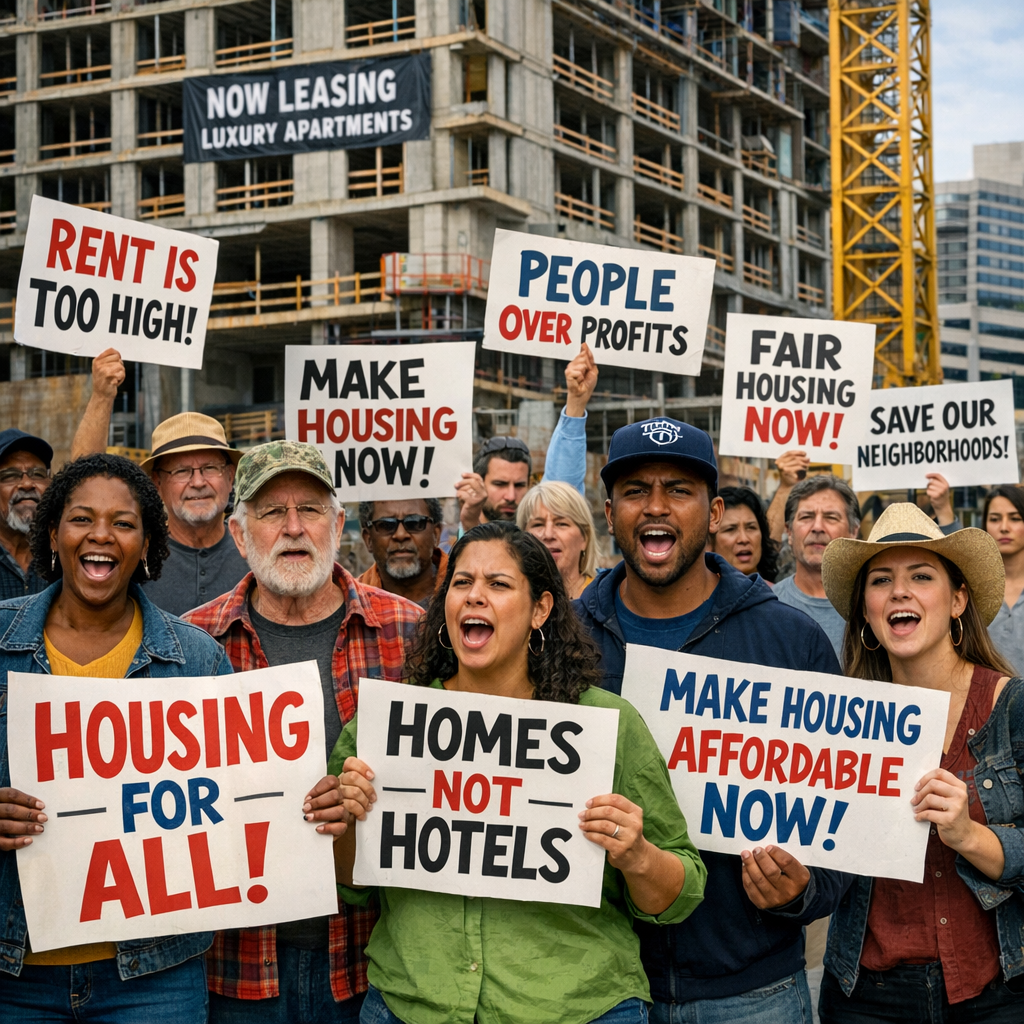
Nashville’s rapid growth has brought prosperity to many, but it has also intensified a housing affordability crisis that threatens the city’s diverse fabric. Recent studies reveal that a significant majority of residents find homeownership increasingly out of reach, with minority communities bearing the brunt of this challenge.
Widespread Affordability Concerns
A Vanderbilt University poll indicates that 82% of Nashville residents feel they cannot afford to purchase a home in Davidson County. This sentiment reflects the city’s escalating housing costs, which have outpaced income growth for many residents. The median household income in Nashville stands at $91,000, yet a Redfin report suggests that an annual income of approximately $120,000 is now necessary to afford a median-priced home. This $30,000 gap underscores the financial strain on potential homebuyers.
Disproportionate Impact on Minority Communities
The affordability crisis is particularly acute for Black and Hispanic families. A housing and infrastructure study reveals that these families can afford median-valued homes in less than 1% of Nashville’s 481 neighborhoods—specifically, just 0.8% for Black families and 0.6% for Hispanic families. This stark disparity highlights the enduring effects of historical discriminatory practices, such as redlining and exclusionary zoning, which have limited wealth accumulation opportunities for minority communities.
Community and Policy Responses
In response to these challenges, Metro Social Services released its annual Community Needs Evaluation, focusing on affordability issues for African Americans in Nashville. The report identifies both historical and contemporary causes of the wealth gap and suggests strategies to address these disparities. Recommendations include major zoning reforms, such as permitting higher-density housing along transit corridors, to increase affordable housing availability.
Mayor Freddie O’Connell’s administration has also prioritized housing affordability. In fiscal year 2025, city funding supported the construction and preservation of nearly 1,800 affordable housing units. However, despite these efforts, public support for multifamily housing has waned, with many residents expressing concerns about preserving neighborhood character.
Looking Ahead
Addressing Nashville’s housing affordability crisis requires a multifaceted approach that balances growth with inclusivity. It involves implementing policies that promote affordable housing development, revisiting zoning laws to encourage diversity in housing options, and fostering community engagement to ensure that all residents have a voice in shaping the city’s future. As Nashville continues to evolve, it is imperative to create a housing landscape that reflects the city’s commitment to equity and opportunity for all.