

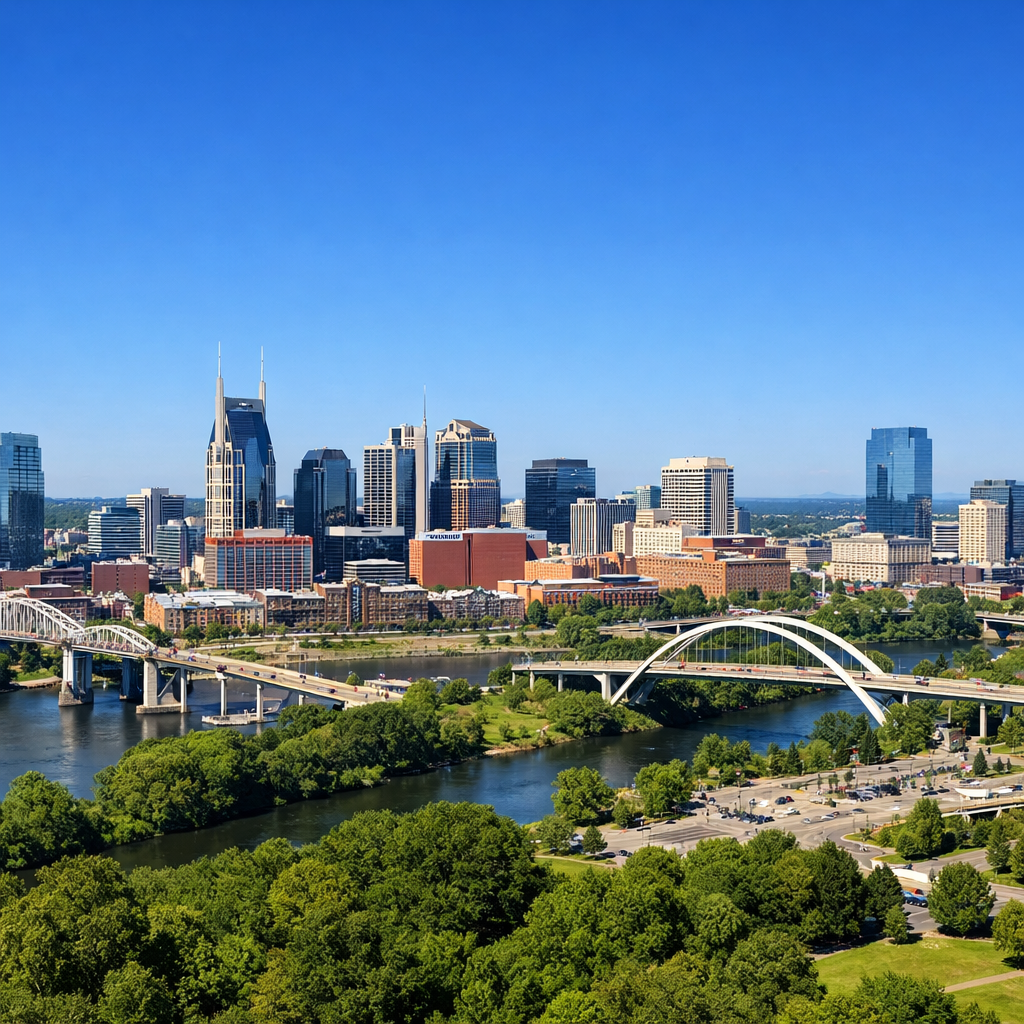
Nashville, Tennessee, experiences a humid subtropical climate, characterized by hot, humid summers and mild to cool winters. Understanding these patterns can help residents and newcomers adapt and thrive in the local environment.
Seasonal Overview
Spring (March – May)
Spring brings gradually warming temperatures, with average highs increasing from 60.7°F (16°C) in March to 78.6°F (26°C) in May. This season is also marked by increased rainfall, averaging around 5 inches per month, which contributes to the lush greenery Nashville is known for.
Summer (June – August)
Summers are typically hot and humid. July is the warmest month, with average highs reaching 89.2°F (32°C). Humidity levels can make it feel even warmer, so staying hydrated and seeking shade during peak heat hours is advisable.
Fall (September – November)
Fall offers a respite from the summer heat, with temperatures gradually cooling from an average high of 83.1°F (28°C) in September to 60°F (16°C) in November. This season is also less humid, making it a favorite for outdoor activities.
Winter (December – February)
Winters are generally mild, with average lows around 30.8°F (-1°C) in January, the coldest month. Snowfall is infrequent but possible, so it’s wise to be prepared for occasional cold snaps.
Environmental Considerations
Nashville’s climate supports a diverse range of flora and fauna. The city falls within USDA Plant Hardiness Zone 7b, indicating that plants can typically survive minimum temperatures between 5°F and 10°F (-15°C to -12°C). Gardeners should select plants suited to this zone for optimal growth.
Additionally, the city receives an average annual precipitation of 53.5 inches (1357.9 mm), contributing to its rich biodiversity. However, residents should be aware of the potential for severe weather events, such as thunderstorms and occasional tornadoes, particularly in the spring and early summer months.
Adapting to Nashville’s Climate
To comfortably navigate Nashville’s climate:
- Stay Informed: Regularly check local weather forecasts, especially during transitional seasons when conditions can change rapidly.
- Prepare for Humidity: Invest in dehumidifiers and air conditioning to maintain indoor comfort during the humid summer months.
- Winter Readiness: While winters are mild, occasional cold spells can occur. Ensure your home is insulated, and keep winter clothing accessible.
- Gardening Tips: Choose plants that thrive in Zone 7b and consider native species to support local ecosystems.
By understanding and adapting to Nashville’s climate, residents can fully enjoy the city’s natural beauty and vibrant seasons.