

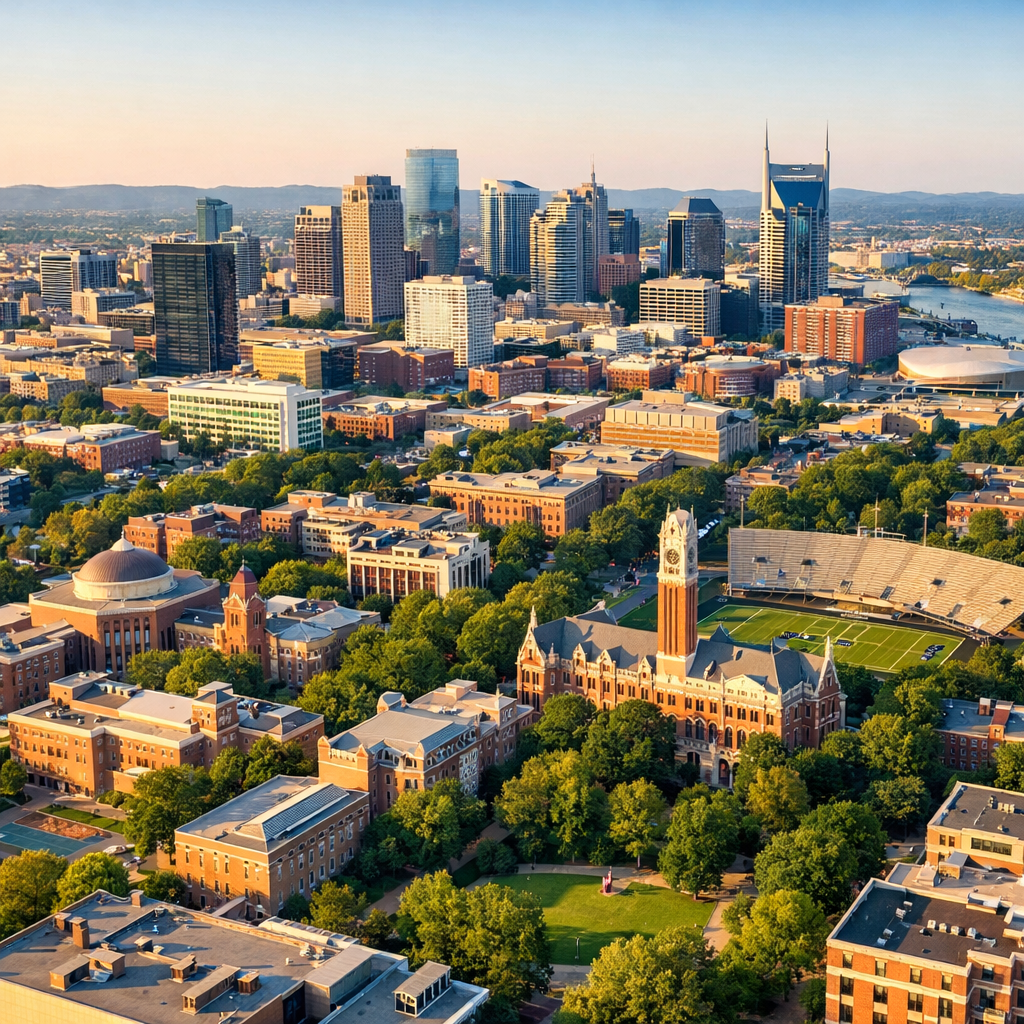
Nashville’s economic landscape continues to flourish, even as national policies undergo significant transformations. Central to this growth is Vanderbilt University and Vanderbilt University Medical Center, which collectively contributed $22.13 billion to Tennessee’s economy in 2024. This substantial impact stems from institutional spending on payroll, construction, and procurement, as well as local spending by students and visitors.
In addition to Vanderbilt’s contributions, Nashville’s population has seen a notable increase. From 2020 to 2024, the metro area, including Murfreesboro and Franklin, grew by over 136,000 residents, marking a 6.4% rise. This surge is largely attributed to domestic migration, as individuals from other states are drawn to the region’s opportunities and quality of life.
However, national policy changes have influenced certain aspects of this growth. For instance, international migration, which had been a significant factor in previous years, experienced a decline in 2025 due to shifts in federal immigration policies. Despite this, Nashville’s overall economic and demographic expansion remains robust, underscoring the city’s resilience and adaptability in the face of evolving national landscapes.