

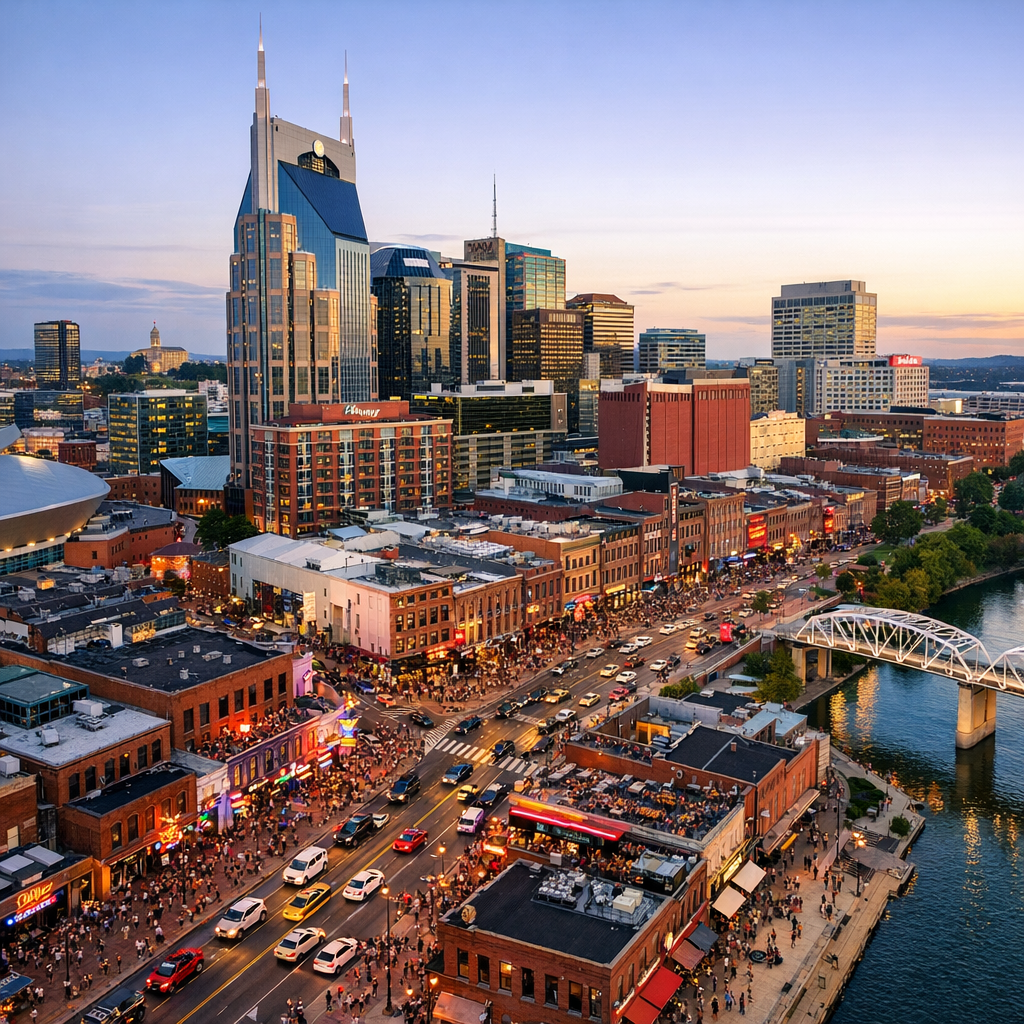
Nashville’s economic landscape has undergone significant transformation in recent years, reflecting broader national trends. The city’s growth offers insights into the interplay between local developments and national economic patterns.
Population Growth and Economic Implications
Between 2020 and 2024, the Nashville metropolitan area experienced a population increase of over 136,000 residents, marking a 6.4% growth. This surge is largely attributed to domestic migration, with individuals relocating from other states seeking economic opportunities and a higher quality of life. Such demographic shifts have profound implications for housing, infrastructure, and public services.
Educational Attainment and Income Disparities
Data from 2024 indicates a strong correlation between educational attainment and income levels in Nashville. Adults aged 25 and older without a college degree had a median income of $41,393. This underscores the importance of higher education in achieving economic stability. However, rising tuition costs and student debt present challenges, prompting initiatives like Tennessee Reconnect, which offers tuition-free community or technical college education to residents aged 25 and older.
Housing Market Dynamics
The COVID-19 pandemic significantly impacted Nashville’s housing market. Historically low borrowing costs and the rise of remote work led to increased demand, driving up home prices. Middle Tennessee, in particular, saw sharp price increases, making homeownership less attainable for many residents. This trend mirrors national patterns observed over the past five years.
Climate Challenges and Urban Resilience
In recent years, Nashville has faced extreme weather events, including heatwaves and flooding. These incidents highlight the city’s vulnerability to climate change and the need for resilient infrastructure. The increasing frequency and severity of such events are consistent with national climate trends, emphasizing the importance of proactive urban planning.
Immigration Policies and Community Impact
Federal immigration enforcement actions have had tangible effects on Nashville’s communities. Operations targeting predominantly Hispanic neighborhoods have led to heightened tensions and prompted local leaders to establish support funds for affected residents. These developments reflect the broader national discourse on immigration policies and their local ramifications.
Institutional Contributions to Economic Development
Vanderbilt University and Vanderbilt University Medical Center have been pivotal in Nashville’s economic growth. In 2024, they contributed $22.13 billion to the city’s economy, underscoring the role of educational and medical institutions as economic drivers. Their influence extends beyond employment, impacting sectors like construction, research, and community engagement.
Nashville’s economic trajectory offers a microcosm of national trends, illustrating how local developments are intertwined with broader economic patterns. Understanding these dynamics is crucial for policymakers, businesses, and residents as they navigate the challenges and opportunities ahead.