

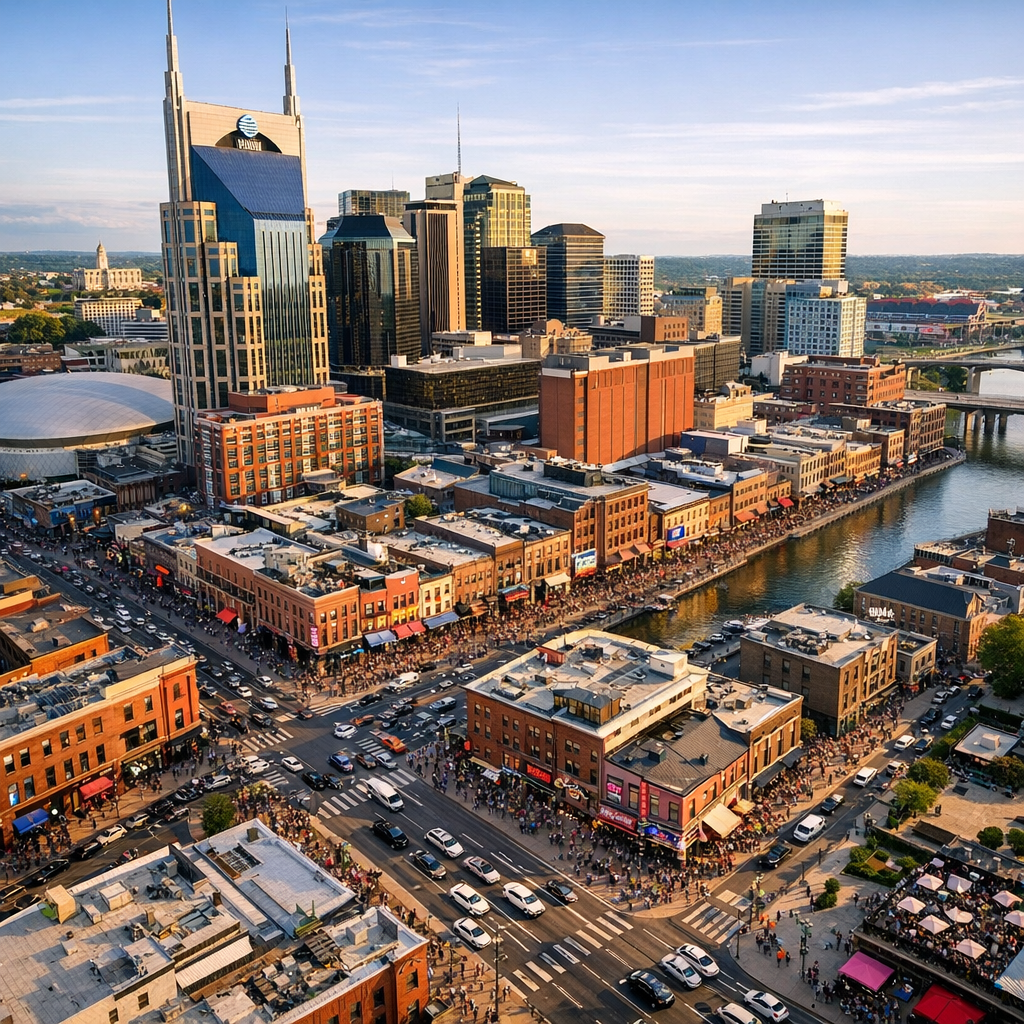
Nashville’s economic trajectory offers a compelling reflection of broader national trends, underscoring the city’s integral role in the U.S. economy.
Population Growth and Migration
Between 2020 and 2024, the Nashville metropolitan area experienced a population increase of over 136,000 residents, marking a 6.4% growth. This surge is largely attributed to domestic migration, with individuals relocating from other states seeking economic opportunities and quality of life improvements. Notably, international migration also played a significant role, contributing to the city’s demographic expansion.
Educational Attainment and Income
Data from 2024 indicates a strong correlation between higher education and income levels in Nashville. Adults aged 25 and older with a college degree consistently out-earned their peers without such credentials. This trend aligns with national patterns emphasizing the economic value of higher education. However, challenges such as rising tuition costs and student debt persist, prompting initiatives like Tennessee Reconnect, which offers tuition-free community or technical college education to residents aged 25 and older.
Housing Market Dynamics
The COVID-19 pandemic significantly reshaped Nashville’s housing market. Historically low borrowing costs and the rise of remote work led to a homebuying boom, causing home prices to soar. This rapid appreciation rendered homeownership increasingly unattainable for many residents, mirroring housing affordability challenges seen across the nation.
Institutional Economic Impact
Vanderbilt University and Vanderbilt University Medical Center have been pivotal economic drivers in Tennessee. Between 2019 and 2024, these institutions contributed $22.13 billion to the state’s economy. As the largest private employer in the Nashville area, Vanderbilt’s influence extends beyond education and healthcare, encompassing construction projects, research commercialization, and community engagement initiatives.
Climate and Environmental Concerns
In recent years, Nashville has faced extreme heat events, with heat advisories becoming more frequent. These conditions are part of a broader national trend of increasing temperatures and climate-related challenges. Vulnerable populations, including those with pre-existing health conditions and individuals without access to air conditioning, are particularly at risk during such events.
Immigration Enforcement and Community Response
Following immigration enforcement operations targeting predominantly Hispanic neighborhoods, Nashville city leaders established a fund to support affected immigrant communities. This response highlights the city’s commitment to inclusivity and the complexities of federal immigration policies impacting local communities.
Crime Rates and Public Safety
Despite calls for increased federal intervention, Nashville has seen a decline in violent crime rates. In the first eight months of 2025, fatal shootings decreased by 30.8%, and overall violent crime dropped by 12.5%. These statistics suggest that local initiatives and community engagement efforts are contributing to improved public safety.
Nashville’s economic and social developments serve as a microcosm of national trends, reflecting the interconnectedness of local and national dynamics in shaping the American experience.