

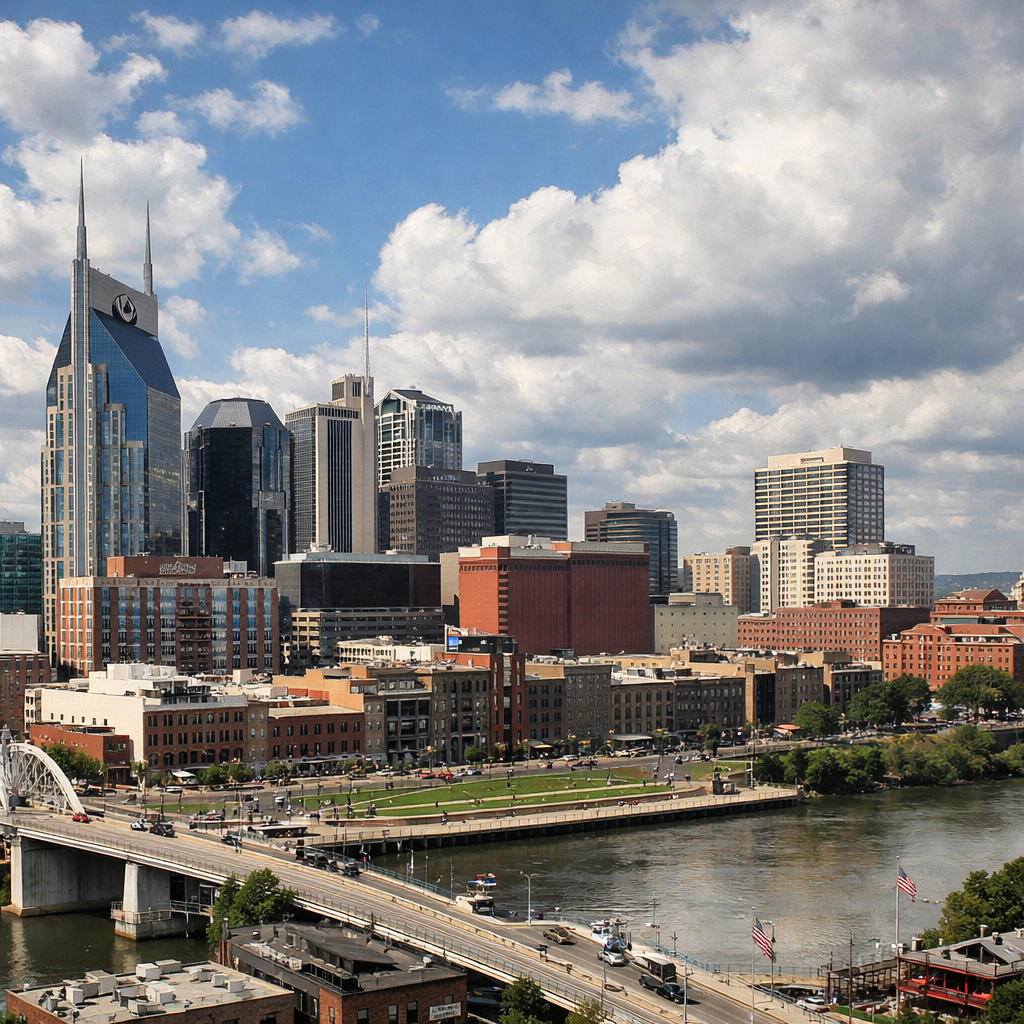
Nashville, Tennessee, experiences a humid subtropical climate characterized by hot, humid summers and mild to cool winters. Understanding these patterns is essential for residents and visitors alike.
Seasonal Weather Patterns
Spring (March to May)
Spring in Nashville brings mild temperatures, with average highs ranging from the mid-60s to mid-70s°F. This season is marked by increased rainfall, contributing to the lush greenery the region is known for.
Summer (June to August)
Summers are hot and humid, with average highs in the upper 80s to low 90s°F. The city often experiences high humidity levels, making it feel warmer than the actual temperature. Thunderstorms are common during this period.
Fall (September to November)
Autumn offers cooler temperatures, with highs ranging from the mid-70s in September to the mid-50s by November. The fall foliage provides a picturesque backdrop, attracting many visitors.
Winter (December to February)
Winters are generally mild, with average highs in the upper 40s to low 50s°F. Snowfall is infrequent but possible, with occasional cold snaps bringing temperatures below freezing.
Environmental Challenges
Nashville faces several environmental challenges exacerbated by climate change:
Urban Heat Islands
Urban areas with dense infrastructure and limited green spaces tend to be hotter than surrounding regions, a phenomenon known as the Urban Heat Island effect. In Nashville, 71% of residents live in neighborhoods considered heat islands. This can lead to increased energy consumption and health risks, particularly for vulnerable populations.
Increased Precipitation and Flooding
Climate change has led to more intense rainfall events. Between 1970 and 2024, the intensity of rainfall per hour in Nashville increased by 12%. This rise in heavy precipitation events heightens the risk of flash flooding, posing challenges to infrastructure and public safety.
Extreme Weather Events
The city has experienced a rise in extreme weather events, including severe storms and heatwaves. For instance, in June 2025, Nashville faced a significant heatwave, with temperatures reaching triple digits and a heat advisory in effect for several days.
Community Initiatives
To address these challenges, Nashville has developed the Climate Adaptation and Resilience Plan (CARP). This plan focuses on the city’s main climate hazards—flooding, tornadoes, extreme heat, extreme cold, and thunderstorms—and aims to build adaptive capacity across Nashville’s built environment, natural environment, communities, economic systems, and public services.
Understanding Nashville’s climate and the associated environmental challenges is crucial for fostering a resilient and sustainable community.