

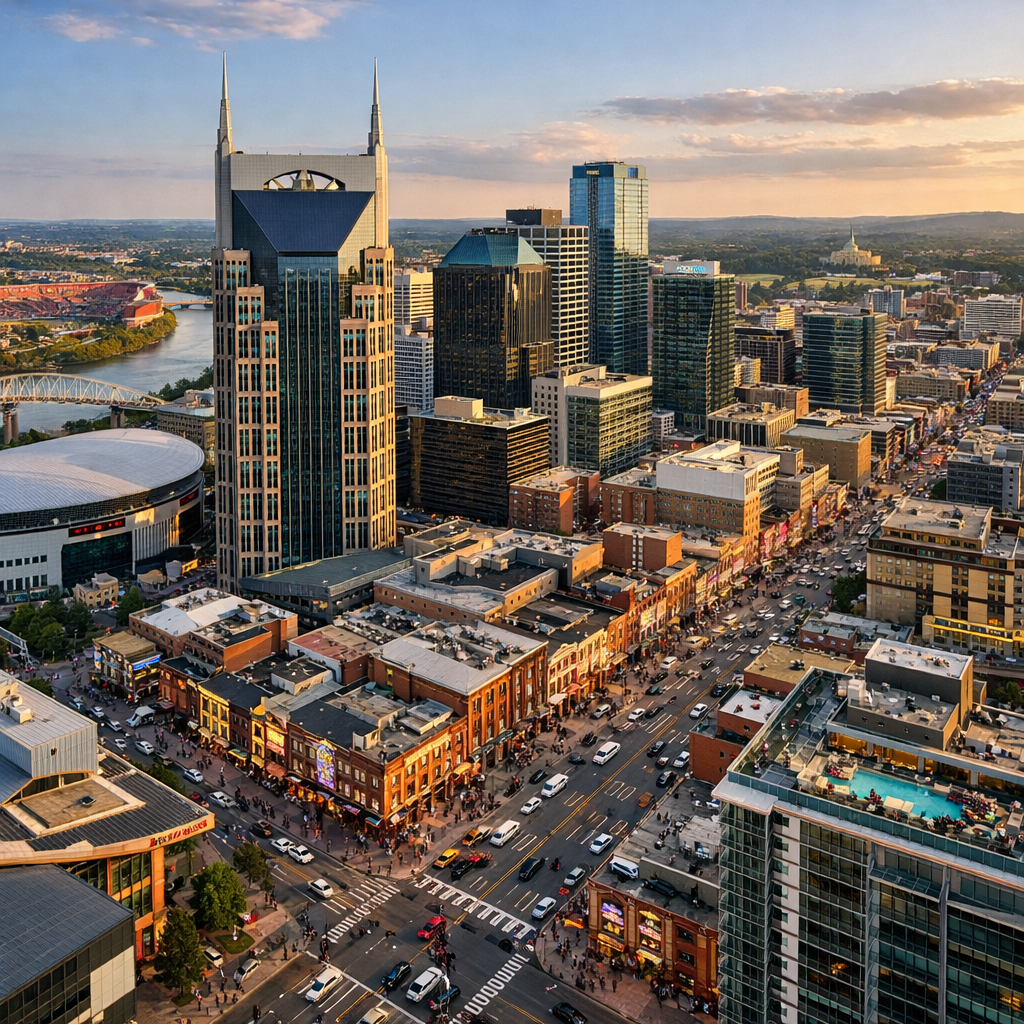
Nashville has long been celebrated for its vibrant music scene and rich cultural heritage. In recent years, however, our city has also emerged as a significant economic powerhouse, reflecting and contributing to broader national economic trends.
Population Growth and Economic Expansion
In 2025, Nashville, particularly Davidson County, led Tennessee’s population growth by adding nearly 9,300 residents—the highest increase among the state’s 95 counties. This surge underscores the city’s appeal and mirrors national urbanization patterns. However, it also brings challenges such as rising home prices, increased traffic, and higher tax bills. Conversely, opportunities abound in innovation, new businesses, and high-paying jobs, positioning Nashville as a microcosm of the nation’s evolving economic landscape.
Education and Income Dynamics
Education remains a pivotal factor in economic mobility. Recent analyses reveal that in Nashville, adults aged 25 or older without a college education earned a median income of $41,393. This wage gap highlights the importance of higher education in achieving financial stability. Programs like Tennessee Reconnect, offering tuition-free community or technical college education to residents aged 25 and older, aim to bridge this divide, reflecting a national emphasis on accessible education as a driver of economic growth.
Housing Market Transformations
The COVID-19 pandemic significantly reshaped Nashville’s housing market, a trend observed nationwide. Historically low borrowing costs and the rise of remote work led to a homebuying boom, causing home prices to soar. Middle Tennessee experienced some of the sharpest increases, making homeownership increasingly unattainable for many residents. This situation mirrors national real estate trends, emphasizing the need for innovative housing solutions.
Climate Change and Urban Resilience
Extreme weather events have become more frequent, with Nashville experiencing severe heat waves and dangerous flooding. These events are part of a broader national pattern linked to climate change. The city’s response to these challenges, including infrastructure improvements and community support initiatives, reflects a growing recognition of the need for urban resilience strategies across the country.
Immigration Policies and Community Impact
National immigration policies have direct effects on local communities. In 2025, Nashville witnessed immigration enforcement operations that led to nearly 200 arrests, predominantly in Hispanic neighborhoods. This resulted in increased absenteeism in schools and heightened fear among immigrant families. The city’s establishment of support funds and community programs underscores the importance of local responses to national policy decisions.
Major Events and Economic Projections
Looking ahead, Nashville’s hosting of Super Bowl LXIV in 2030 is projected to generate significant economic benefits. The city plans to invest $60 million into the event, expecting a return greater than any previous event hosted. While such projections are optimistic, they align with national discussions on the economic impact of major sporting events and the importance of strategic investments.
In conclusion, Nashville’s economic trajectory offers a compelling case study of how national policies and trends manifest at the local level. By understanding and addressing these dynamics, our city can continue to thrive and serve as a model for others navigating similar challenges and opportunities.