

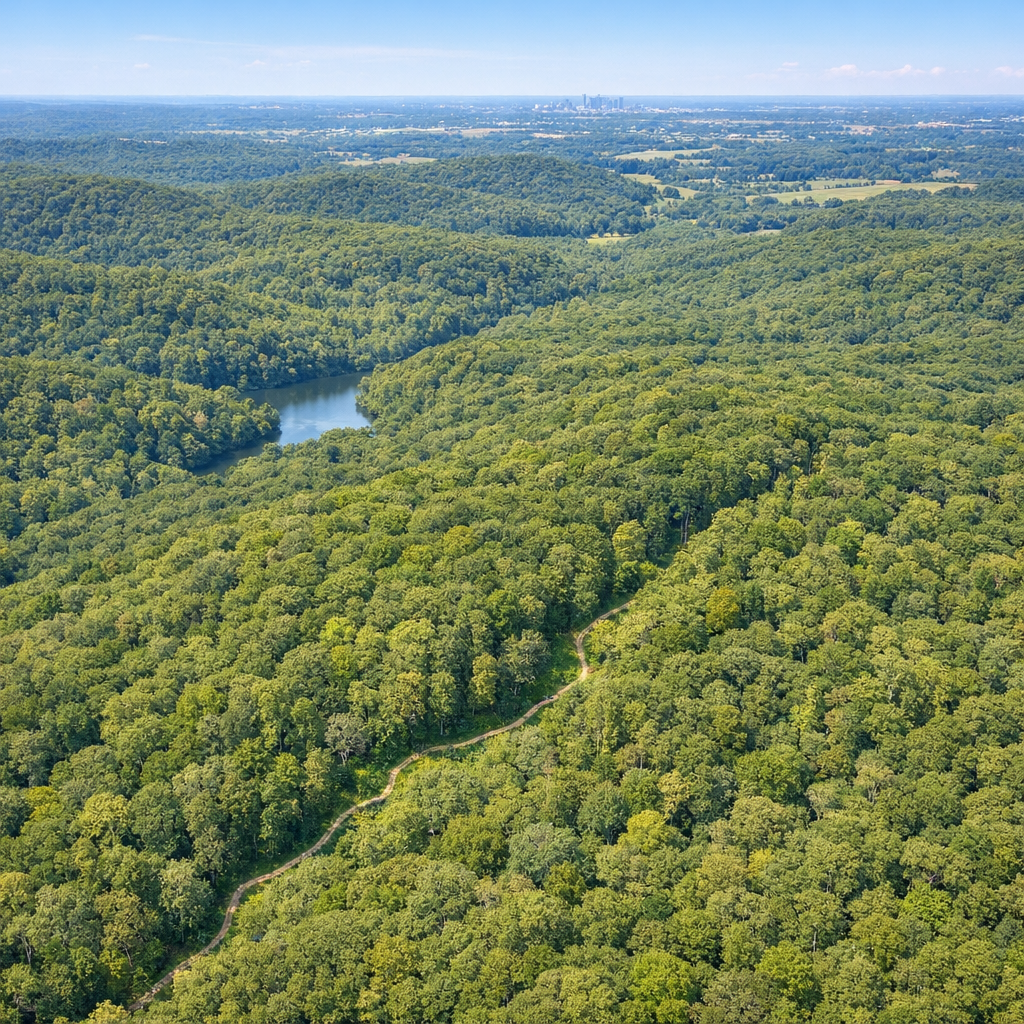
Nashville’s dedication to environmental stewardship is evident through a series of initiatives aimed at preserving natural resources and promoting sustainability. A notable example is the recent expansion of Beaman Park. The city acquired 300 acres of forestland off Bull Run Road in northwest Davidson County, marking one of the largest land preservation deals in recent history. This acquisition enhances the park’s untouched wilderness, providing residents with increased access to natural spaces and reinforcing the city’s commitment to ecological conservation.
In the realm of education, Metro Nashville Public Schools (MNPS) has implemented several sustainability initiatives. Over the past three years, the MNPS Energy Program has achieved a 20% annual reduction in energy consumption, equivalent to reducing 260,000 metric tons of carbon emissions. The district has also incorporated energy-efficient designs in new buildings, achieving LEED Silver or Gold certifications, and installed solar energy systems at various schools. These efforts not only reduce the environmental footprint but also serve as educational tools for students, fostering a culture of sustainability from a young age.
Community organizations play a pivotal role in Nashville’s environmental efforts. Urban Green Lab, a local nonprofit, focuses on teaching communities how to live sustainably. Their programs have reached nearly half of Davidson County’s zip codes, training educators and serving numerous organizations. Additionally, the annual Nashville Earth Day event, produced by the Centennial Park Conservancy, has donated over $200,000 since 2020 to support local environmental projects, including tree plantings and pollinator gardens.
These collective efforts underscore Nashville’s commitment to environmental stewardship. By preserving natural spaces, integrating sustainability into education, and supporting community initiatives, the city is fostering a culture that values and protects its natural environment for future generations.