

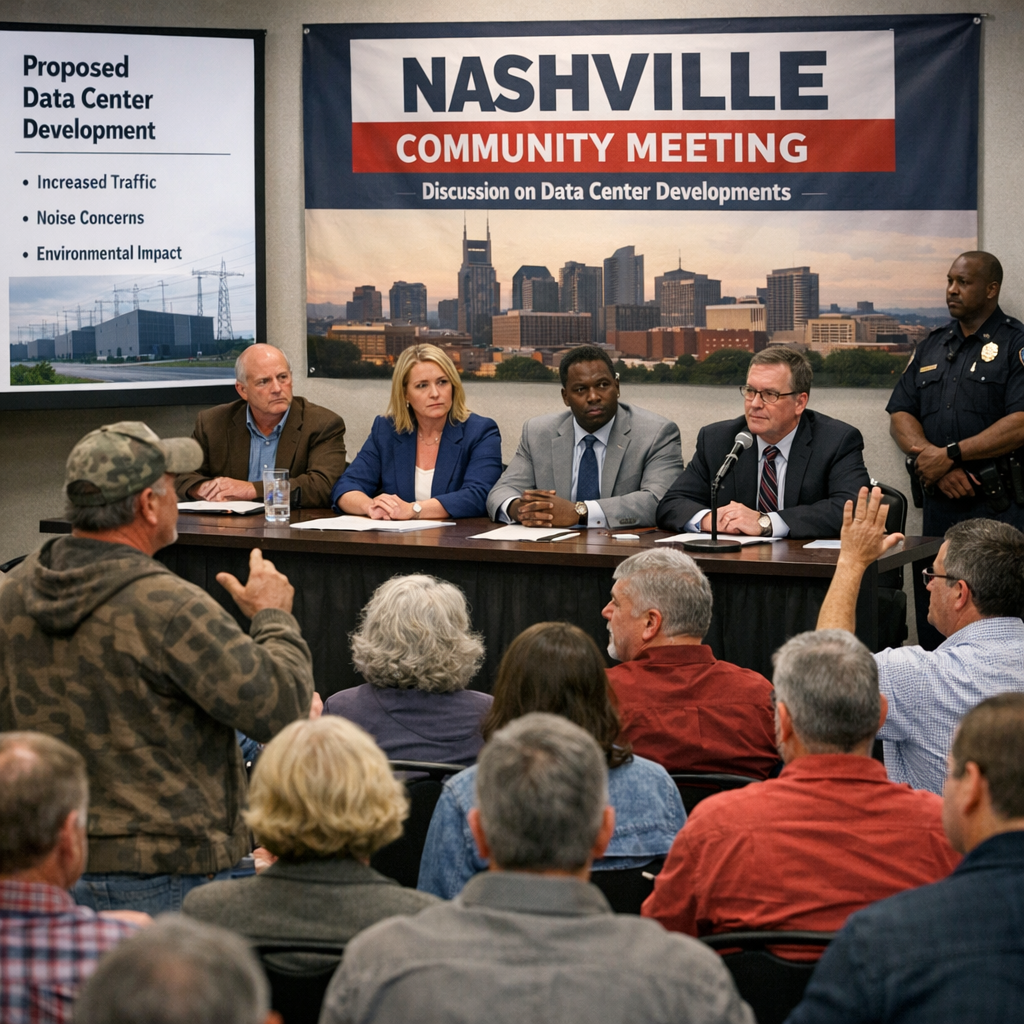
Nashville is currently navigating complex discussions surrounding the development of data centers within the city, particularly focusing on proposed projects near the Nashville Zoo and Fisk University. These developments have sparked significant community engagement and prompted city officials to take decisive actions.
Community Concerns and Legal Actions
The proposed data center near the Nashville Zoo has been a focal point of contention. Residents and zoo officials have expressed apprehensions about potential noise and light pollution affecting the well-being of the zoo’s 3,000 animals, including species involved in critical conservation efforts. In response, the zoo initiated a petition that has garnered substantial public support, reflecting widespread concern over the project’s implications.
Similarly, a data center project at Fisk University has faced scrutiny. Community members have raised questions about the impact on the historic institution and the surrounding neighborhood, emphasizing the need for careful consideration of such developments in culturally significant areas.
City’s Response and Policy Measures
In light of these concerns, Mayor Freddie O’Connell has taken proactive steps. He signed an executive order directing Metro departments to assess the potential impacts of large-scale data centers and expressed support for a Metro Council initiative to temporarily halt permits for such facilities. This moratorium aims to provide the city with time to develop comprehensive regulations that balance technological advancement with community well-being.
Furthermore, the Metro Council has been actively involved, with Councilmember Rollin Horton proposing legislation to establish clear guidelines for data center developments. The proposed regulations include application procedures, locational restrictions—such as limiting large data centers to industrial zones—and emission rules to mitigate environmental impacts.
Looking Ahead
As Nashville continues to grow as a technological hub, the city faces the challenge of fostering innovation while preserving the quality of life for its residents and protecting its cultural and environmental assets. The ongoing debates and policy developments underscore the importance of community engagement and thoughtful planning in shaping the city’s future.
Residents are encouraged to participate in public forums and provide input as the city works towards solutions that reflect the diverse interests of all Nashvillians.