

Nashville has been actively pursuing environmental sustainability through various initiatives aimed at preserving natural resources, promoting renewable energy, and enhancing climate resilience.
Expansion of Beaman Park
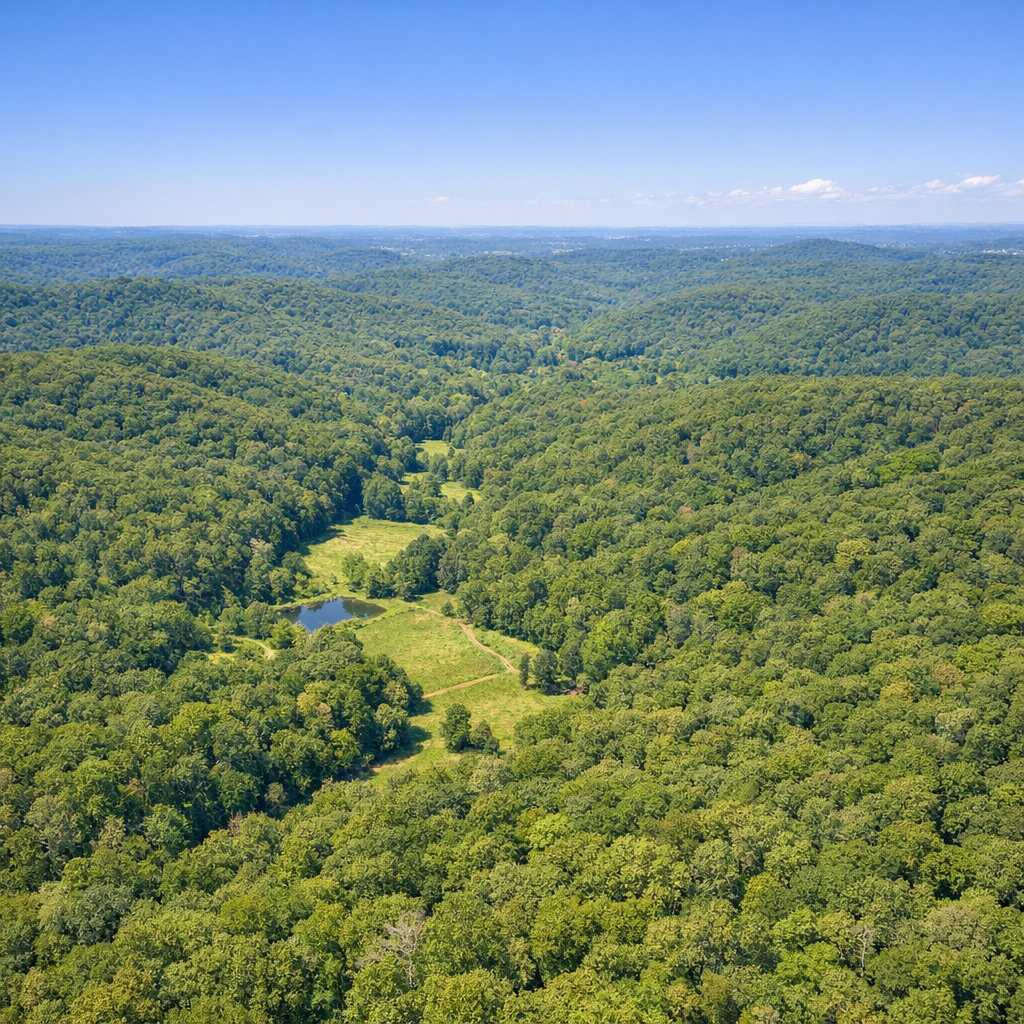
In a significant conservation effort, the city acquired 300 acres of forest land to expand Beaman Park. This $3.2 million acquisition, located near Bull Run Road in northwest Davidson County, enhances one of Metro’s most pristine natural preserves. Mayor Freddie O’Connell highlighted the essential role forests play in environmental health, including cooling urban heat, filtering water, and improving air quality. This expansion represents a major victory for the preservation of the Highland Rim Forest ecosystem.
Extension of Community Solar Project
Mayor O’Connell has proposed extending the lease for Nashville’s first community solar project, Music City Solar. Established in 2018, this initiative transformed a former landfill near Briley Parkway and I-65 into a solar energy production facility. The project has generated over 2 million kilowatt-hours of clean energy since its launch, underscoring Nashville’s commitment to renewable energy and repurposing unused land for environmental sustainability.
Environmental Project Grants
Centennial Park Conservancy has awarded $48,000 in environmental project grants to 17 initiatives across the city. Since 2020, the Conservancy has donated a total of $208,000 to support local environmental programs, including tree planting, bee conservation, and sustainability education. These grants reflect a growing commitment to grassroots environmental efforts in Nashville.
Climate Resilience Efforts
Recognizing the increasing risks from severe weather events due to climate change, Nashville is focusing on climate resilience. The city is developing strategies to anticipate and adapt to changing climate conditions, aiming to withstand and recover rapidly from climate-driven disruptions. This includes assessing the health of natural resources and developing action plans for conservation and adaptation.
Zero Waste Initiative
Nashville has adopted a Solid Waste Master Plan with the goal of diverting 90% of waste away from landfills. The plan emphasizes reducing, reusing, recycling, and composting to achieve this target. Efforts include increasing recycling programs, reducing food waste, and adopting recovery programs for construction and demolition waste.
These initiatives demonstrate Nashville’s proactive approach to environmental stewardship, aiming to create a sustainable and resilient community for current and future generations.