

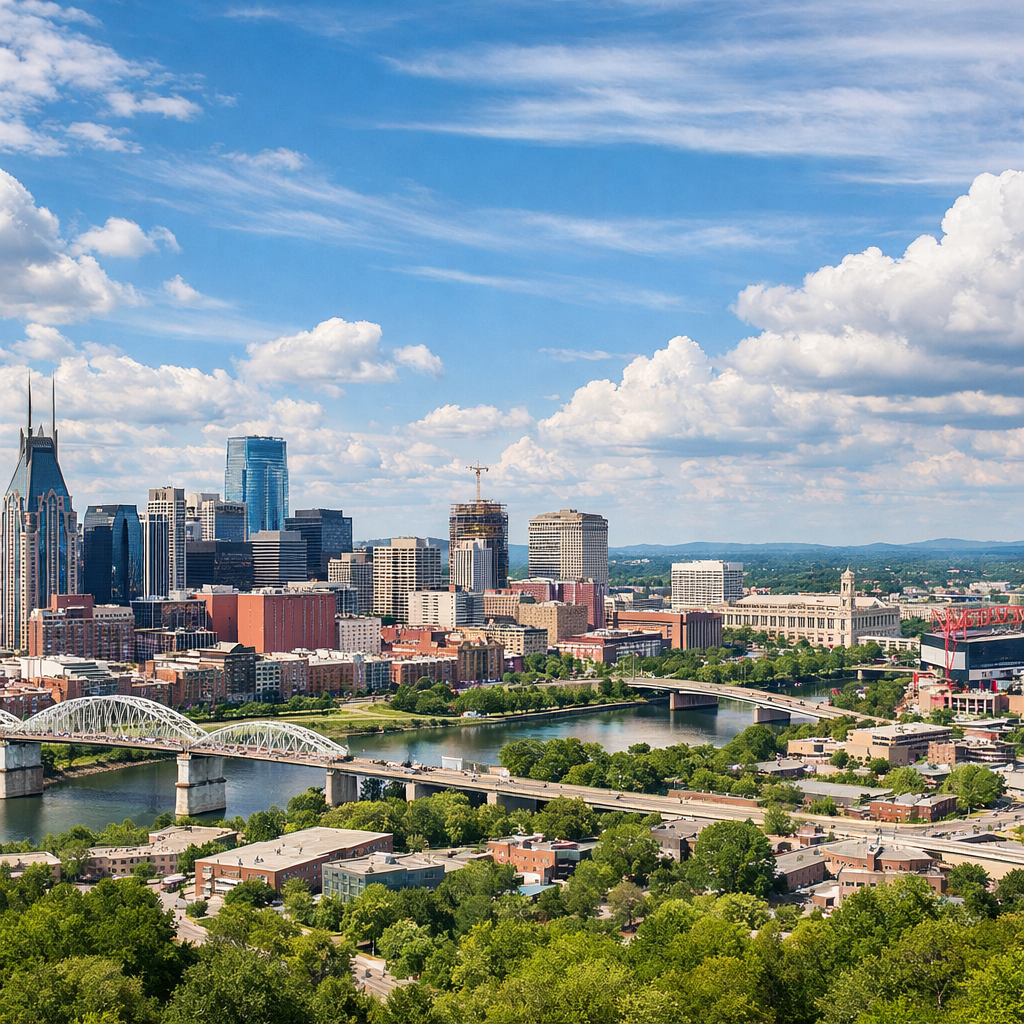
Nashville, Tennessee, experiences a humid subtropical climate, characterized by four distinct seasons, each offering unique weather patterns and challenges. Understanding these seasonal variations can help residents and visitors prepare for the city’s diverse conditions.
Spring: March to May
Spring in Nashville is marked by rapidly warming temperatures and increased rainfall. Average highs progress from the 50s in early March to the high 70s by May. This season is also the wettest, with May averaging 5.7 inches of rain over approximately 12 rainy days. Thunderstorms are frequent, and the city remains vigilant during tornado season, which peaks in early spring.
Summer: June to August
Summers are hot and humid, with average high temperatures around 89°F in July. The season lasts from late May to mid-September, featuring muggy conditions that can make the heat feel more intense. Residents should be aware of the urban heat island effect, where areas with less greenery and more infrastructure experience higher temperatures. Notably, 71% of Nashville residents live in neighborhoods considered heat islands, which can exacerbate the impacts of extreme heat.
Fall: September to November
Fall brings relief from the summer heat, with temperatures gradually cooling from the low 80s in September to the low 60s by November. This season is characterized by comfortable weather, making it ideal for outdoor activities and festivals. Rainfall decreases compared to spring, providing drier conditions.
Winter: December to February
Winters are cold and wet, with average low temperatures around 31°F in January. The city experiences occasional snowfall, averaging 1.7 inches in January during the snowy period from late December to February. Ice storms can occur, leading to power outages and hazardous conditions. For instance, a significant ice storm in early 2026 displaced tens of thousands of residents and highlighted the importance of preparedness and effective communication from utility services.
Climate Change Impacts
Climate change is influencing Nashville’s weather patterns, leading to more frequent and intense heat waves, increased rainfall intensity, and heightened risks of severe storms. Between 1970 and 2024, the intensity of hourly rainfall in Nashville increased by 12%, contributing to a higher risk of flash flooding. Additionally, the city has experienced a rise in extreme heat days, with temperatures reaching triple digits more frequently, exacerbating the urban heat island effect.
Understanding Nashville’s climate and its seasonal variations is essential for residents and visitors to prepare for and adapt to the city’s diverse weather conditions. Staying informed about weather forecasts and being aware of climate change impacts can help mitigate risks associated with extreme weather events.