

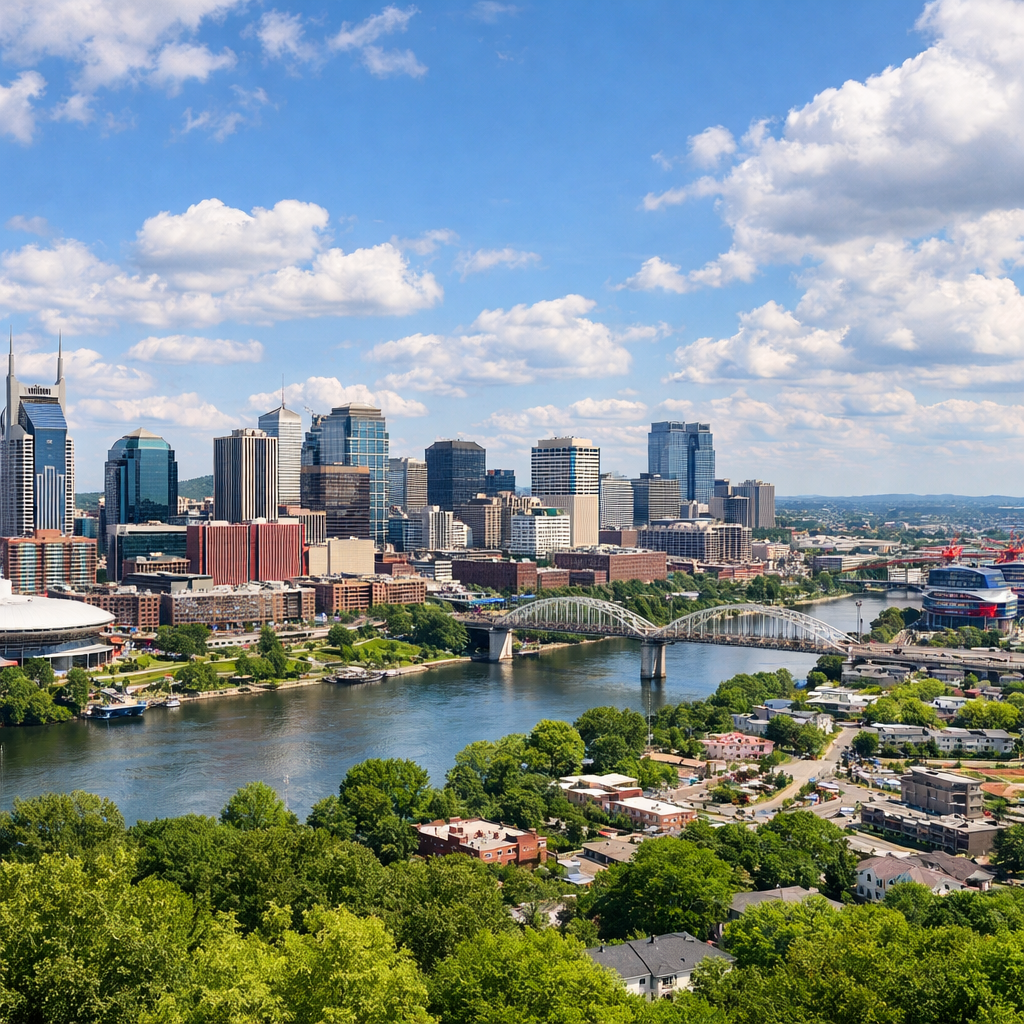
Nashville, Tennessee, experiences a humid subtropical climate characterized by hot, humid summers and mild to cool winters. Understanding these seasonal patterns is essential for residents and visitors alike.
Seasonal Weather Patterns
Spring (March to May)
Spring in Nashville brings mild temperatures and blooming flora. Average high temperatures range from the mid-60s°F (18°C) in March to the upper 70s°F (25°C) in May. This season also sees increased rainfall, contributing to the lush greenery.
Summer (June to August)
Summers are hot and humid, with average high temperatures peaking around 89°F (32°C) in July. Humidity levels can make it feel even warmer, and afternoon thunderstorms are common. It’s advisable to stay hydrated and limit outdoor activities during peak heat hours.
Fall (September to November)
Fall offers a respite from the summer heat, with temperatures gradually cooling from the mid-80s°F (29°C) in September to the mid-60s°F (18°C) in November. The changing foliage provides picturesque landscapes, making it a popular season for outdoor activities.
Winter (December to February)
Winters are generally mild, with average high temperatures in the upper 40s°F (8°C) to low 50s°F (10°C). Snowfall is infrequent but possible, averaging around 1.7 inches in January. Occasional cold snaps can bring temperatures below freezing, so it’s wise to be prepared for varying conditions.
Environmental Challenges
Urban Heat Islands
Urban areas in Nashville tend to be warmer than surrounding rural regions due to the concentration of buildings and infrastructure, a phenomenon known as the urban heat island effect. This can lead to higher energy consumption and health risks during heatwaves. Efforts are underway to mitigate these effects through increased green spaces and reflective building materials.
Flooding
Nashville is susceptible to flooding, particularly during heavy rainfall events. The city has experienced significant floods in the past, prompting ongoing efforts to improve flood management and infrastructure resilience.
Climate Change Impacts
Climate change poses additional challenges, including more frequent and intense heatwaves, altered precipitation patterns, and increased severe weather events. The city is actively developing strategies to adapt to these changes and enhance community resilience.
By understanding Nashville’s climate and the environmental challenges it faces, residents can better prepare for seasonal changes and contribute to efforts aimed at creating a more sustainable and resilient community.