

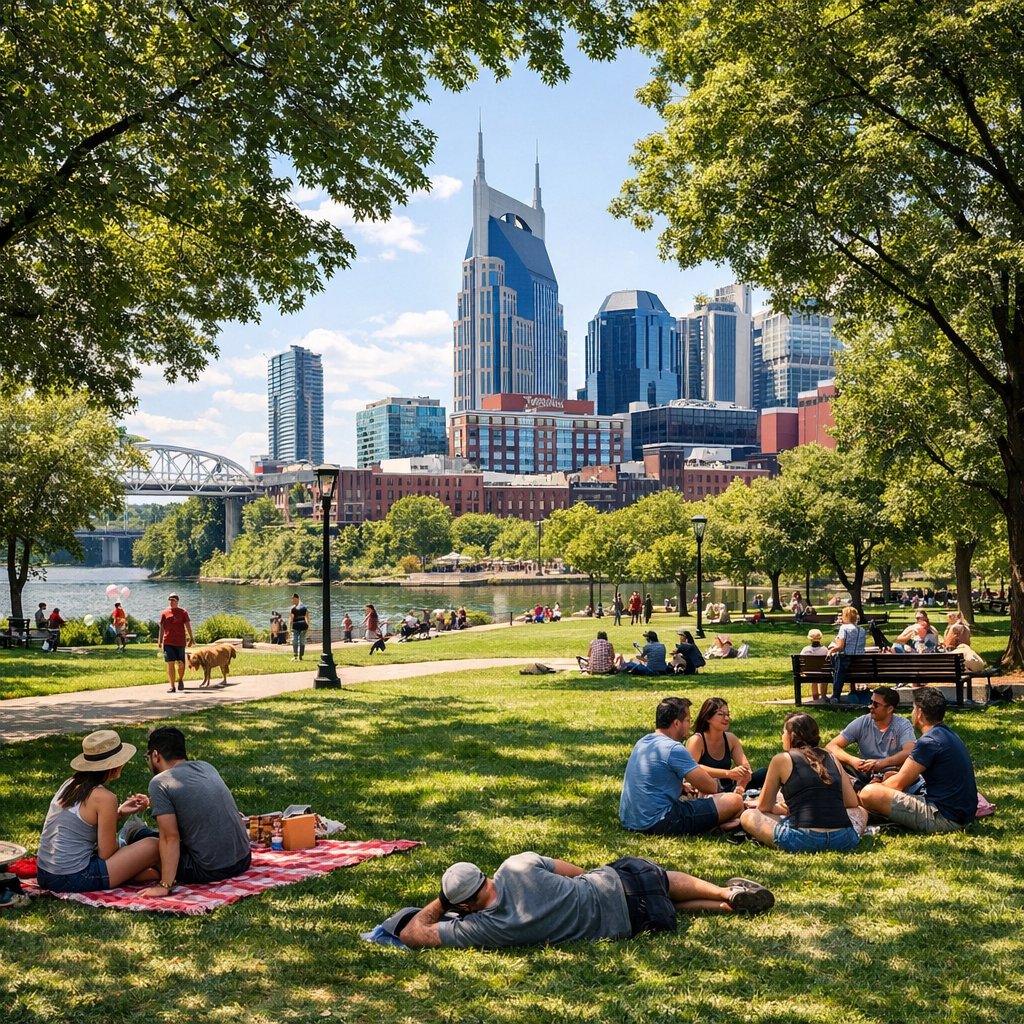
Nashville’s rapid urbanization has brought numerous benefits, but it has also intensified the Urban Heat Island (UHI) effect—a phenomenon where urban areas experience higher temperatures than their rural surroundings. This temperature disparity arises from factors such as the prevalence of heat-absorbing materials like asphalt and concrete, reduced vegetation, and concentrated human activities.
Impacts of the Urban Heat Island Effect
The UHI effect can lead to several challenges for Nashville residents:
- Health Risks: Elevated temperatures can exacerbate heat-related illnesses, particularly among vulnerable populations such as the elderly and children.
- Increased Energy Consumption: Higher temperatures often result in greater use of air conditioning, leading to increased energy demand and higher utility bills.
- Environmental Concerns: The UHI effect can contribute to deteriorating air quality and strain local ecosystems.
Mitigating the Heat: The Role of Trees and Green Spaces
One effective strategy to combat the UHI effect is enhancing urban greenery. Trees and green spaces offer multiple benefits:
- Temperature Regulation: Trees provide shade and release moisture through transpiration, which cools the surrounding air.
- Improved Air Quality: Vegetation absorbs pollutants and produces oxygen, contributing to cleaner air.
- Enhanced Community Well-being: Green spaces offer recreational areas, promote physical activity, and improve mental health.
Organizations like the Nashville Tree Conservation Corps advocate for increased tree planting and the preservation of existing green spaces to mitigate the UHI effect. Their efforts emphasize the importance of community involvement in creating a more sustainable and livable city.
Community Initiatives and Future Directions
In recent years, Nashville has undertaken initiatives to address urban heat challenges. For instance, in the summer of 2022, the city collaborated with environmental nonprofits and local experts to measure temperatures and humidity across various neighborhoods. This heat mapping campaign aimed to identify areas most affected by the UHI effect and inform targeted mitigation strategies.
Residents can contribute to these efforts by:
- Participating in local tree-planting events.
- Advocating for the preservation of existing green spaces.
- Implementing green infrastructure solutions, such as green roofs and permeable pavements, in their communities.
By understanding the UHI effect and actively participating in mitigation efforts, Nashvillians can help create a cooler, healthier, and more resilient urban environment.