

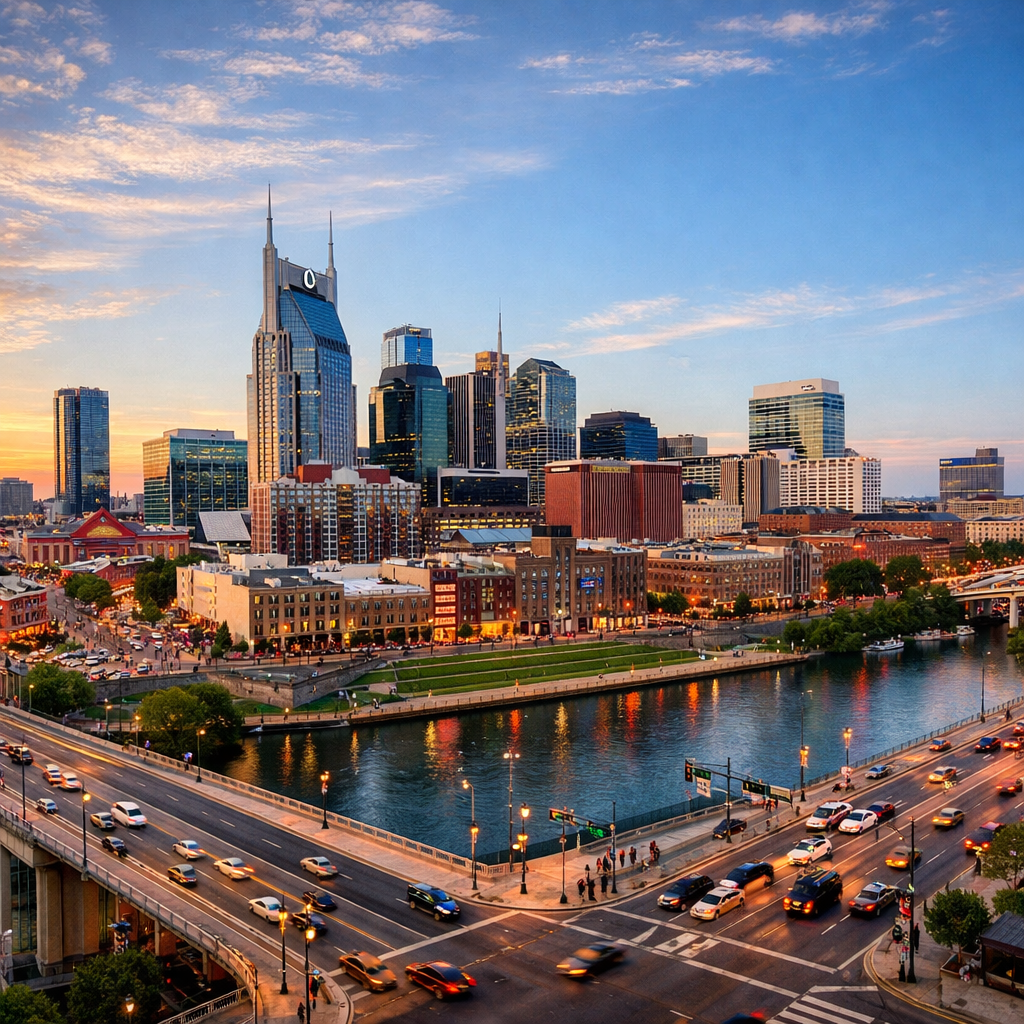
Nashville’s economic landscape has undergone significant transformation in recent years, reflecting broader national trends in urban development, population growth, and economic diversification.
Population Growth and Migration
The Nashville metropolitan area has experienced substantial population growth, surpassing 2 million residents during the pandemic. This surge is largely attributed to domestic migration, as individuals and families relocate from other U.S. states seeking better opportunities and quality of life. This pattern aligns with national trends where mid-sized cities are witnessing increased in-migration, contributing to urban expansion and economic vitality.
Economic Diversification and Institutional Impact
Vanderbilt University and Vanderbilt University Medical Center have been pivotal in Nashville’s economic development. Between 2019 and 2024, these institutions contributed over $22 billion to the local and state economies. Their influence extends beyond direct employment, fostering innovation, research, and community engagement, thereby enhancing Nashville’s economic resilience and aligning with national patterns of educational institutions driving regional economies.
Tourism and Major Events
Nashville’s tourism sector has seen remarkable growth, with events like Alan Jackson’s concert at Nissan Stadium drawing significant crowds and boosting hotel occupancy rates. The city’s successful bid to host Super Bowl LXIV in 2030 is expected to generate substantial economic impact, with projections estimating $386 million in direct spending and $706 million in total economic impact. This mirrors national trends where cities leverage major events to stimulate local economies and enhance global visibility.
Housing Market Dynamics
The COVID-19 pandemic reshaped Nashville’s housing market, leading to soaring home prices driven by low borrowing costs and the rise of remote work. This trend reflects a national pattern where urban areas have experienced housing market shifts, impacting affordability and prompting discussions on sustainable urban development.
Infrastructure and Transportation Initiatives
In response to its growing population and economic activity, Nashville has invested in infrastructure and transportation projects. The ‘Choose How You Move’ program, initiated in 2025, allocated $104 million for transit improvements, including sidewalk enhancements, smart traffic signals, and expanded public transportation services. These efforts align with national movements towards improving urban mobility and reducing congestion.
Conclusion
Nashville’s economic trajectory exemplifies broader national trends, highlighting the interconnectedness of local and national economies. The city’s experiences offer valuable insights into urban growth, economic diversification, and the challenges and opportunities that come with rapid development.