

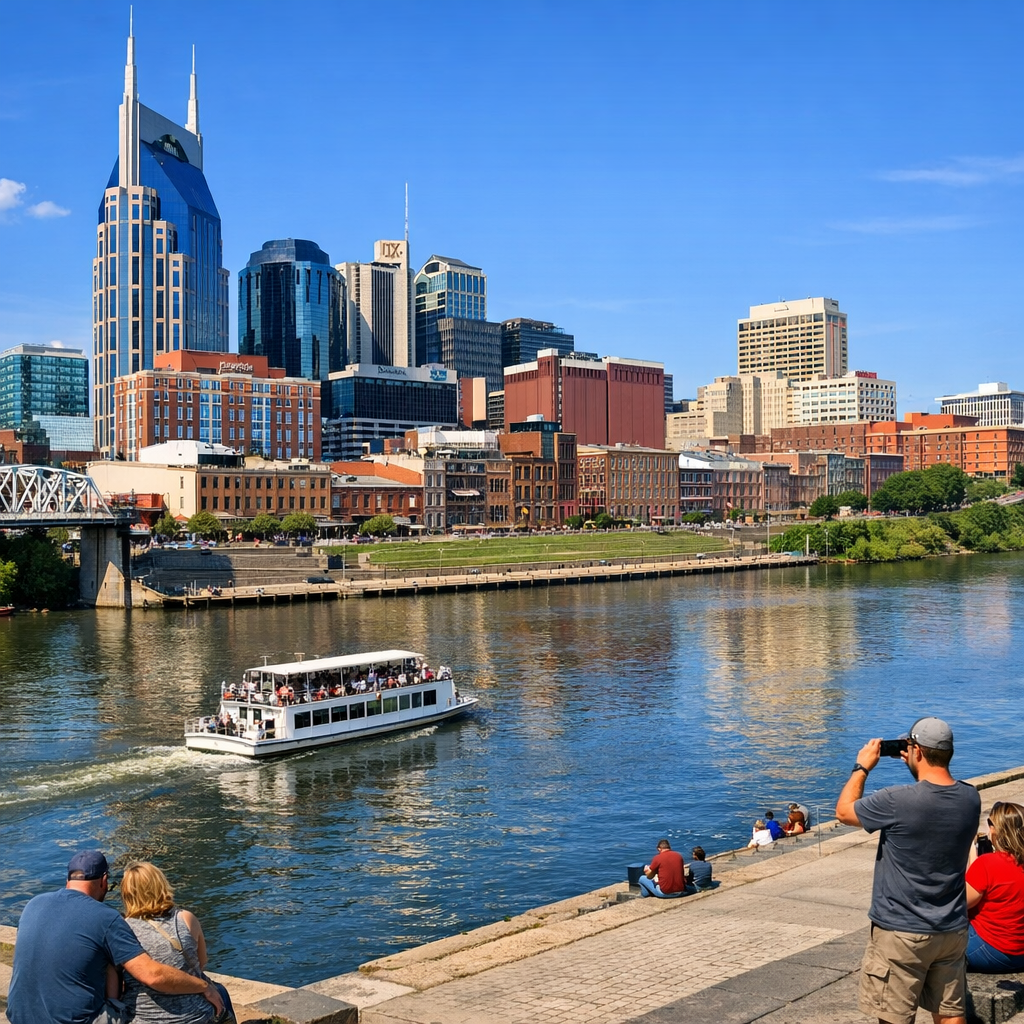
Nashville, Tennessee, experiences a humid subtropical climate characterized by hot, humid summers and mild to cool winters. This climate brings a variety of weather patterns and environmental challenges that residents should be aware of.
Seasonal Weather Patterns
Summer
Summers in Nashville are typically hot and muggy, with average high temperatures around 89°F (32°C) in July. The season often brings thunderstorms and occasional heat waves, which can pose health risks, especially to vulnerable populations.
Winter
Winters are generally mild, with average low temperatures around 31°F (-1°C) in January. However, the city can experience cold snaps and occasional ice storms, leading to hazardous conditions and potential power outages.
Environmental Challenges
Heat Waves
In recent years, Nashville has seen an increase in the frequency and intensity of heat waves. For instance, in June 2025, the city experienced a significant heat wave, with temperatures reaching new highs. Such extreme heat events can have serious health implications, particularly for individuals with underlying health conditions and those without access to air conditioning.
Flooding
Heavy rainfall events have become more intense, leading to an increased risk of flash flooding. Between 1970 and 2024, hourly rainfall intensity in Nashville increased by 12%. This trend underscores the importance of effective stormwater management and flood preparedness.
Urban Heat Islands
The urban heat island effect causes certain areas within the city to experience higher temperatures than surrounding rural regions. This phenomenon is particularly pronounced in neighborhoods with limited green spaces and abundant concrete surfaces. Efforts to mitigate this effect include increasing urban greenery and implementing reflective building materials.
Community Initiatives
Recognizing these challenges, Nashville has developed the Climate Adaptation and Resilience Plan (CARP) to address climate-related risks. The plan focuses on enhancing the city’s ability to anticipate, adapt to, and recover from climate-driven disruptions, including extreme heat, flooding, and severe storms.
By understanding Nashville’s climate and the associated environmental challenges, residents can take proactive steps to protect themselves and contribute to the city’s resilience efforts.