

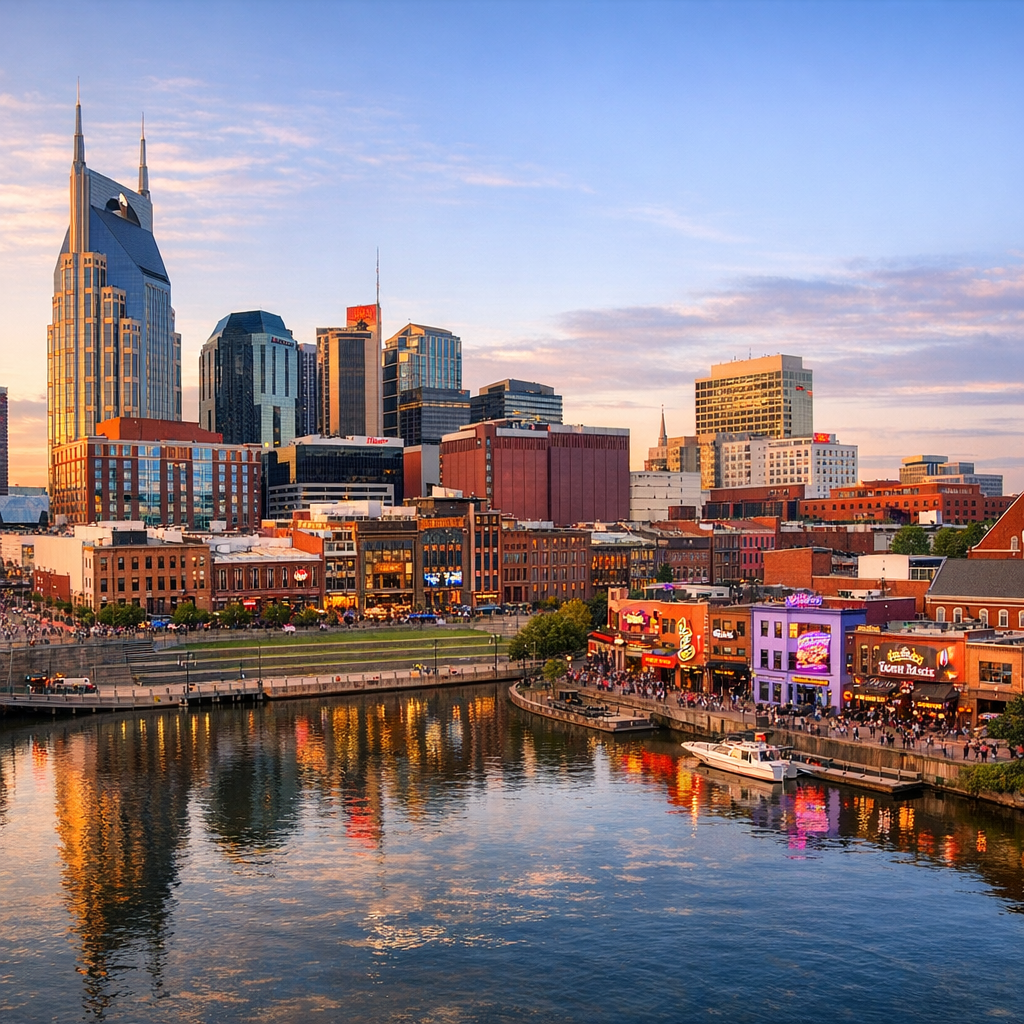
Nashville, long celebrated as the heart of country music, has undergone a remarkable transformation into a burgeoning business hub. This evolution is marked by significant population growth, economic diversification, and strategic investments in infrastructure and education.
Population Growth and Economic Impact
Between 2020 and 2024, the Nashville metropolitan area experienced a population increase of over 136,000 residents, a growth rate of approximately 6.4%. This surge is attributed to both domestic migration and international immigration, underscoring the city’s appeal as a destination for individuals seeking new opportunities.
Vanderbilt University and Vanderbilt University Medical Center have been pivotal in this economic expansion. As the largest private employer in the Nashville area, Vanderbilt contributed $22.13 billion to the local and state economies between 2019 and 2024. Their combined operations support approximately 120,000 jobs in Nashville, accounting for more than 10% of the city’s employment.
Infrastructure and Housing Developments
The city’s rapid growth has necessitated substantial investments in infrastructure. In October 2025, Mayor Freddie O’Connell announced $104 million in funding for transit projects under the “Choose How You Move” program. This initiative includes sidewalk improvements, smart traffic signals at over 100 intersections, enhanced airport transit, street redesigns, and upgrades to the WeGo public transportation system. Additionally, a free bus fare program for qualifying low-income residents, known as the “Journey Pass,” was introduced to promote equitable access to transportation.
The housing market has also seen significant changes. The COVID-19 pandemic accelerated home price increases due to low borrowing costs and the rise of remote work. Middle Tennessee, including areas like East Nashville, witnessed home values increase by 50% since 2020. This trend has led prospective buyers to explore suburban areas in search of more affordable housing options.
Educational Attainment and Income Growth
Education remains a key driver of economic mobility in Nashville. Data from 2024 indicates that adults aged 25 or older without a college education earned a median income of $41,393. To address barriers to higher education, Tennessee introduced initiatives like Tennessee Reconnect, offering tuition-free community or technical college education to residents aged 25 and older. Approximately 11,000 individuals have participated in the program’s coaching services, aiming to improve economic outcomes through accessible education.
Looking Ahead
Nashville’s evolution from “Music City” to a dynamic business hub reflects its adaptability and resilience. The city’s strategic investments in infrastructure, education, and economic diversification position it as a model for sustainable urban growth. As Nashville continues to attract new residents and businesses, it stands as a testament to the potential of thoughtful planning and community engagement in fostering economic prosperity.