

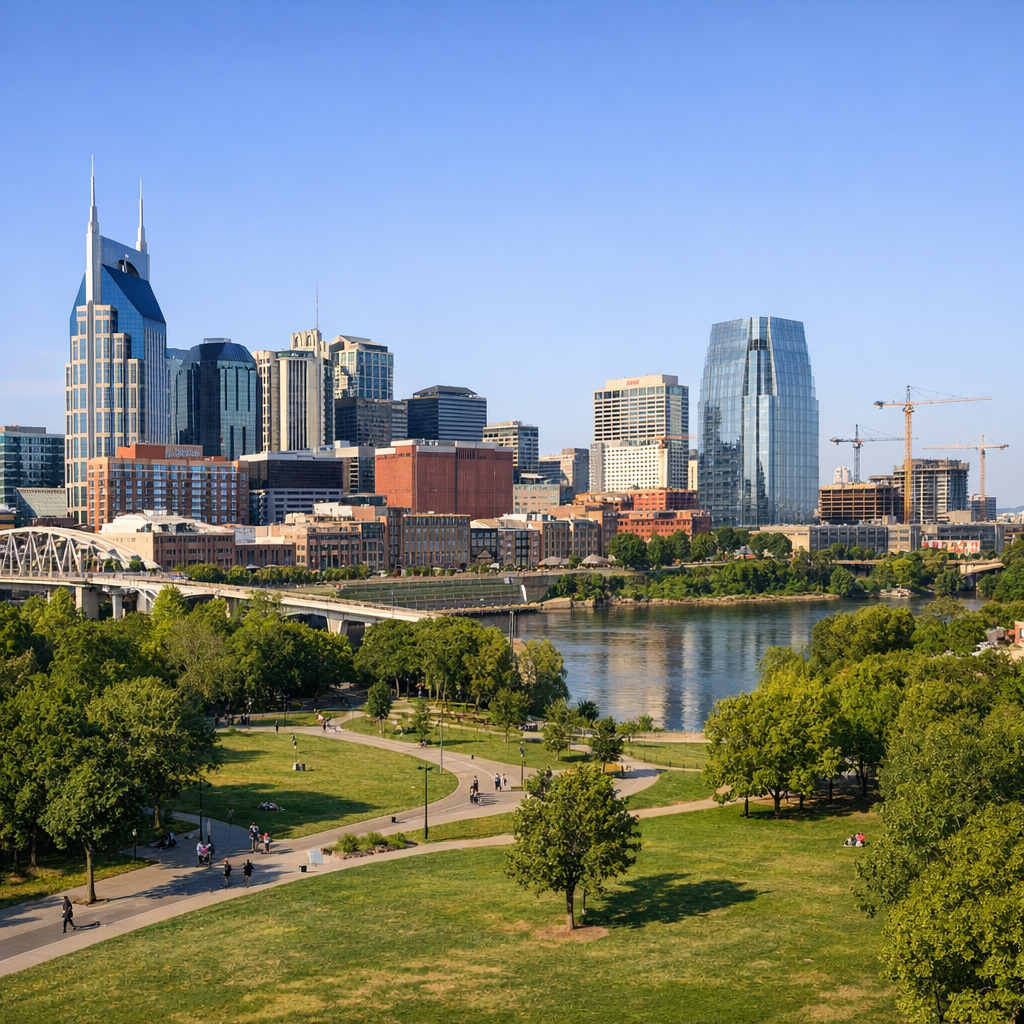
Nashville’s climate is characterized by hot, humid summers and mild to cool winters, typical of a humid subtropical zone. However, recent years have seen notable shifts in these patterns, prompting concerns and proactive measures within the community.
Rising Temperatures and Heat Waves
Data indicates a significant warming trend in Nashville. Over the past few decades, the city has experienced an increase in average temperatures, with more frequent and intense heat waves. This rise poses health risks, particularly for vulnerable populations, and stresses infrastructure and energy resources.
Increased Precipitation and Flooding
Alongside rising temperatures, Nashville has seen an uptick in precipitation levels. Heavier rainfall events have become more common, leading to flash floods and challenging the city’s drainage systems. These conditions underscore the need for robust flood management strategies.
Urban Heat Island Effect
The urban heat island effect exacerbates temperature increases in Nashville. Areas with dense development and limited green spaces tend to be hotter than surrounding regions. Efforts to mitigate this include increasing urban greenery and implementing reflective building materials.
Community Resilience Initiatives
Recognizing these challenges, Nashville has developed a Climate Adaptation and Resilience Plan. This comprehensive strategy aims to prepare the city for climate-related disruptions by enhancing infrastructure, protecting natural resources, and promoting community awareness and preparedness.
Understanding and addressing these evolving climate patterns is crucial for Nashville’s sustainable growth and the well-being of its residents. Continued monitoring and proactive measures will help the city adapt to these changes effectively.