

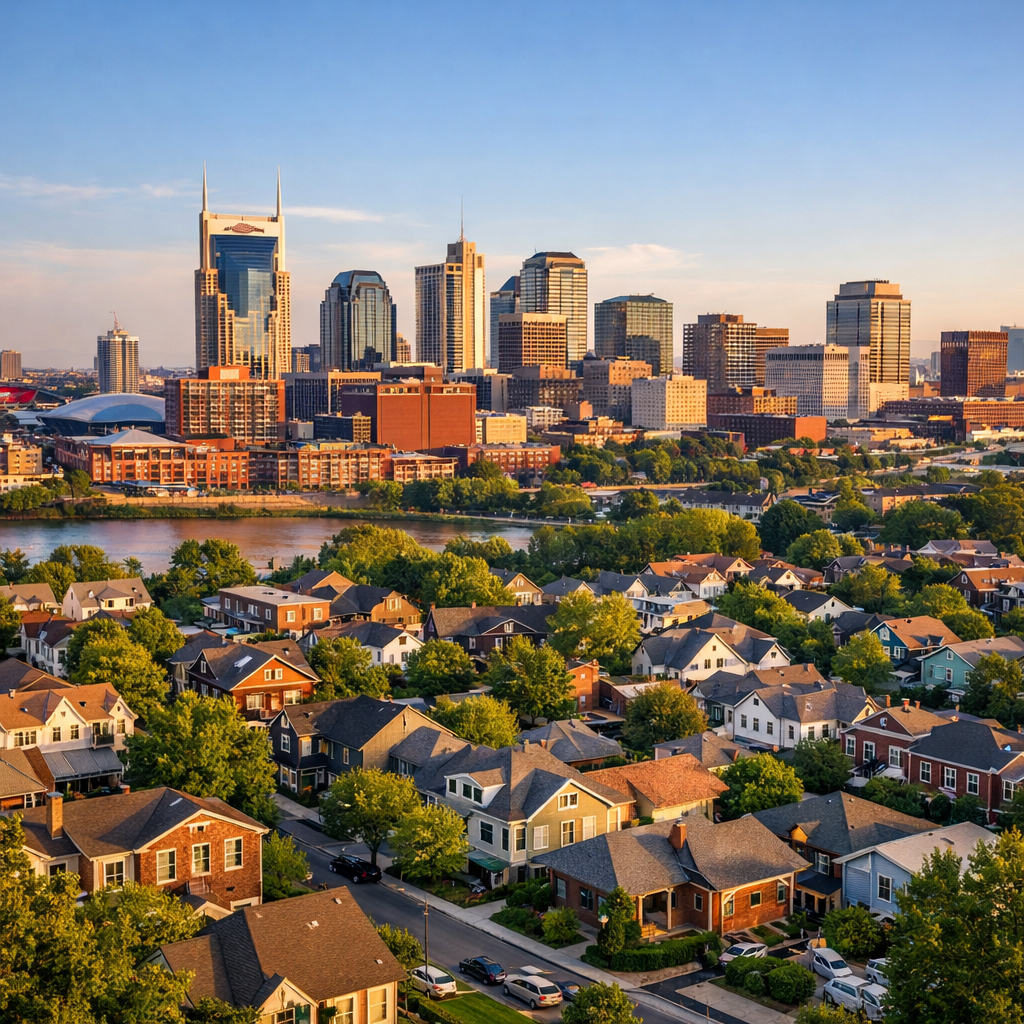
Nashville’s real estate market is experiencing notable shifts, presenting both challenges and opportunities for buyers and sellers alike.
Market Trends
Recent data indicates a cooling in the housing market. The average home value in Nashville stands at $436,603, reflecting a 3.3% decrease over the past year. Homes are now going pending in approximately 25 days, suggesting a more balanced market compared to previous years. Additionally, the median sale price is $458,333, with a median list price of $499,900, highlighting a narrowing gap between asking and selling prices.
Inventory and Buyer Dynamics
The inventory of available properties has seen a significant uptick. As of March 2026, there were 12,315 properties for sale, marking a 12% increase from the previous year. This surge, coupled with favorable interest rates, has empowered buyers with greater negotiating power. Sellers are responding by offering incentives to attract potential buyers, leading to a more dynamic and competitive market environment.
Neighborhood Highlights
Antioch (ZIP code 37013) continues to lead in home sales, recording 1,121 transactions in 2025. This marks the third consecutive year Antioch has topped the list, emphasizing its rapid growth in southeastern Davidson County. The area’s affordability and new amenities, such as the upcoming Tanger Outlets and an In-N-Out location, contribute to its appeal among buyers.
Development Projects
Significant development projects are underway, aiming to address housing needs and community growth. Near the forthcoming Titans stadium, plans for 323 affordable housing units have been unveiled. This development will also feature an 8,700-square-foot daycare center and 12,700 square feet of street-level retail space, contributing to the revitalization of the East Bank area.
In contrast, the city is taking steps to prevent a proposed $700 million data center near the Nashville Zoo. Concerns about potential noise and light pollution affecting the zoo’s environment have led the Metro Council to approve the use of eminent domain to acquire the 23-acre site for public use.
Conclusion
Nashville’s real estate landscape is evolving, with shifts in market dynamics, neighborhood growth, and development initiatives. Staying informed about these changes is crucial for making strategic decisions in this dynamic market.