

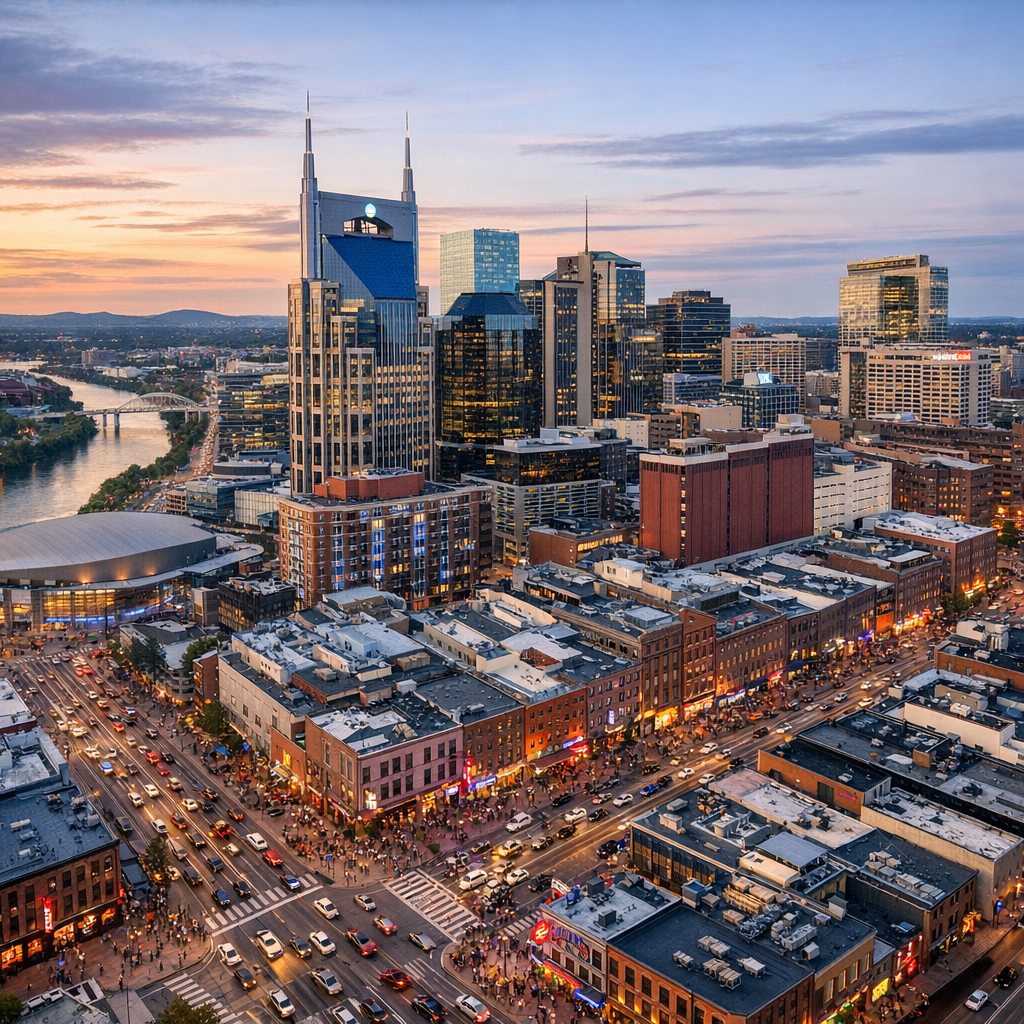
Nashville’s economic trajectory offers a compelling snapshot of broader national trends, reflecting the city’s dynamic growth and its interplay with federal policies and global events.
Population Surge and Economic Implications
In recent years, Nashville has experienced significant population growth, with Davidson County adding nearly 9,300 residents in 2025 alone. This influx has brought both opportunities and challenges, including rising home prices, increased traffic congestion, and heightened demand for public services. Such patterns are emblematic of urban centers nationwide grappling with rapid expansion.
Educational Attainment and Income Disparities
Data from 2024 underscores the strong correlation between higher education and income levels in Nashville. Adults aged 25 or older without a college degree earned a median income of $41,393, highlighting the economic advantages of higher education. This trend aligns with national discussions on the value of college education and its impact on economic mobility.
Housing Market Transformations
The COVID-19 pandemic has reshaped Nashville’s housing market, leading to soaring home prices driven by low borrowing costs and the rise of remote work. Middle Tennessee, in particular, has seen sharp price increases, making homeownership increasingly challenging for many residents. These developments mirror housing market shifts observed across the country.
Climate Change and Extreme Weather Events
Nashville has faced extreme weather events, including dangerous heat waves and flooding, which have been linked to broader climate change patterns. These incidents underscore the city’s vulnerability to climate-related challenges, a concern shared by many urban areas nationwide.
Immigration Policies and Community Impact
Recent immigration enforcement operations in Nashville have prompted city leaders to establish support funds for affected communities. This response reflects the broader national discourse on immigration policies and their local ramifications.
Major Events and Economic Prospects
Looking ahead, Nashville’s successful bid to host Super Bowl LXIV in 2030 is expected to generate substantial economic benefits. The city plans to invest $60 million into the event, anticipating a significant return on investment. This initiative highlights the potential of major events to boost local economies, a strategy employed by cities across the nation.
In summary, Nashville’s economic developments serve as a microcosm of national trends, illustrating how local dynamics are intertwined with broader economic, social, and environmental factors shaping the United States.