

By Emily Johnson
Global Climate Diplomacy: From Pledges to Practice
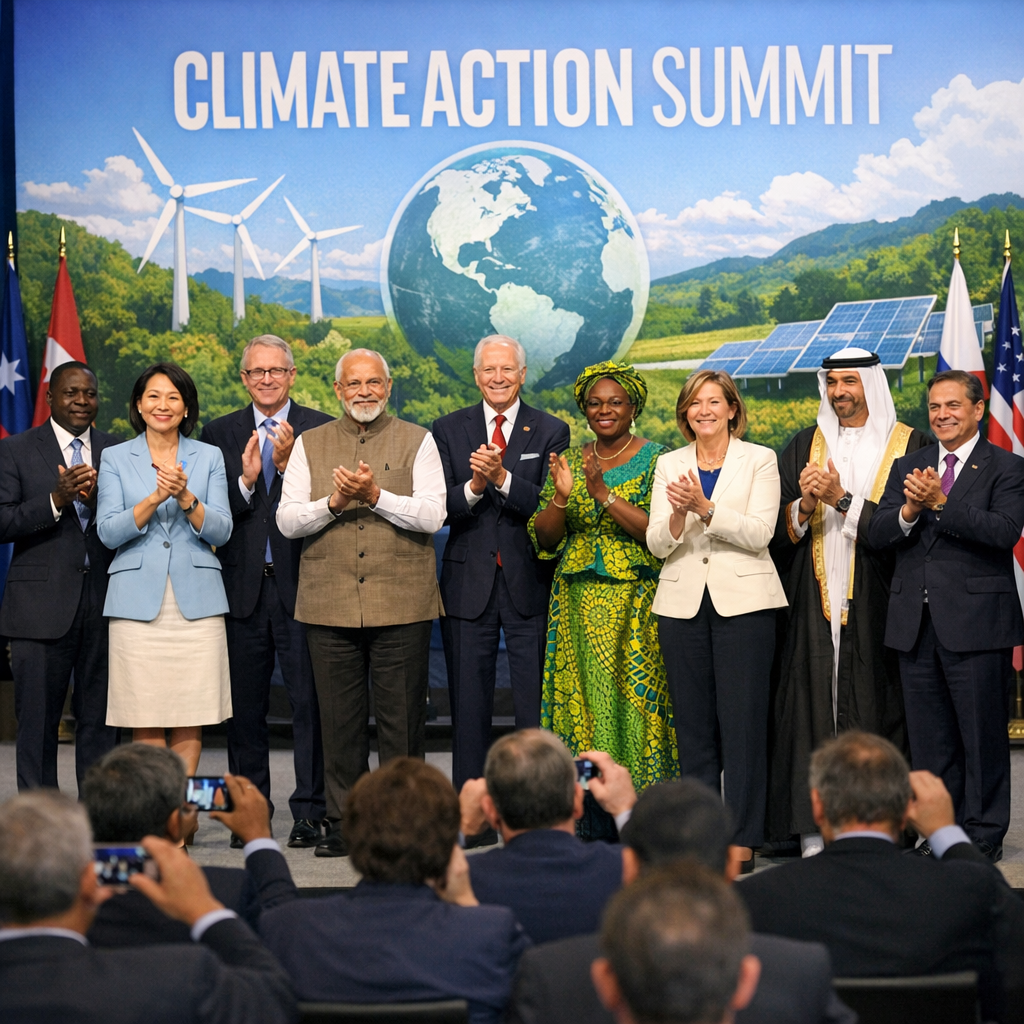
Countries around the world have moved beyond setting ambitious climate targets toward testing their ability to deliver. The latest global stocktake under the Paris Agreement, completed at COP28, showed that current policies align with roughly 2.8°C of warming—well above the 1.5°C goal climate scientists say is vital. Governments are now under increased pressure to scale up clean energy investments, strengthen their climate finance pledges, and deliver clearer metrics for adaptation and loss & damage. (Sources: recent UNFCCC and independent reports)
Actions are underway. Many developing countries are finalizing National Adaptation Plans (NAPs), while the UNFCCC process has strengthened technical and financial support for them. Indigenous communities and youth groups are playing more visible roles in international negotiation and implementation efforts, as inclusive participation becomes a priority. Still, implementation gaps remain, especially around transparent climate finance and accountability. Countries and organizations are working to close those gaps through reports, legal action, and peer-review. (Sources: UNFCCC delivery highlights, LSE climate litigation snapshot)
Emerging Trends in AI Regulation Globally
With the rapid advancement of artificial intelligence technologies, governments are racing to regulate. The European Union’s AI Act, now in force, represents one of the most comprehensive global efforts, including enforcing rules around high-risk AI applications such as deepfakes, biometric surveillance, and systems critical to public infrastructure. Non-EU countries are watching closely—and many are adopting or drafting similar frameworks to align with or respond to EU standards.(Sources: AP News, Regulations.AI report)
Across borders, leaders of major technology firms have begun to converge in calling for clearer rules—something many say is necessary for innovation paired with user trust. Meanwhile, debates are intensifying over how to enforce ethics in areas like AI-driven decision making, digital infrastructure, and risk governance. Key challenges: ensuring global cooperation, defining high-risk use cases, and protecting against regulatory fragmentation that could hamper smaller or less-resourced countries. (Sources: recent comparative reviews and commentary from industry leaders)
Why This Matters for Nashville and Beyond
Although these are global issues, their effects reach locally. Climate diplomacy outcomes influence federal and state policies on clean energy, which in turn shape job opportunities and infrastructure investment here in Tennessee. AI governance choices abroad can affect how U.S. companies operate—and how tech reaches consumers. As these international efforts evolve, keeping informed is essential. Citizens, organizations, and governments all have a stake in translating global commitments into policies that work at home.