

By Daniel Rodriguez
Business Sentiment Remains Fairly Strong
Local firms across Middle Tennessee report cautious but positive outlooks. According to the inaugural Business Confidence Index (BCI) from the Nashville Area Chamber of Commerce and MTSU, many business leaders believe current conditions—sales, profitability—are healthy. But when asked about what lies ahead, they are less certain, citing external pressures such as inflation, regulatory uncertainty, and rising input costs.
Property Taxes—A Growing Burden for Independent Businesses
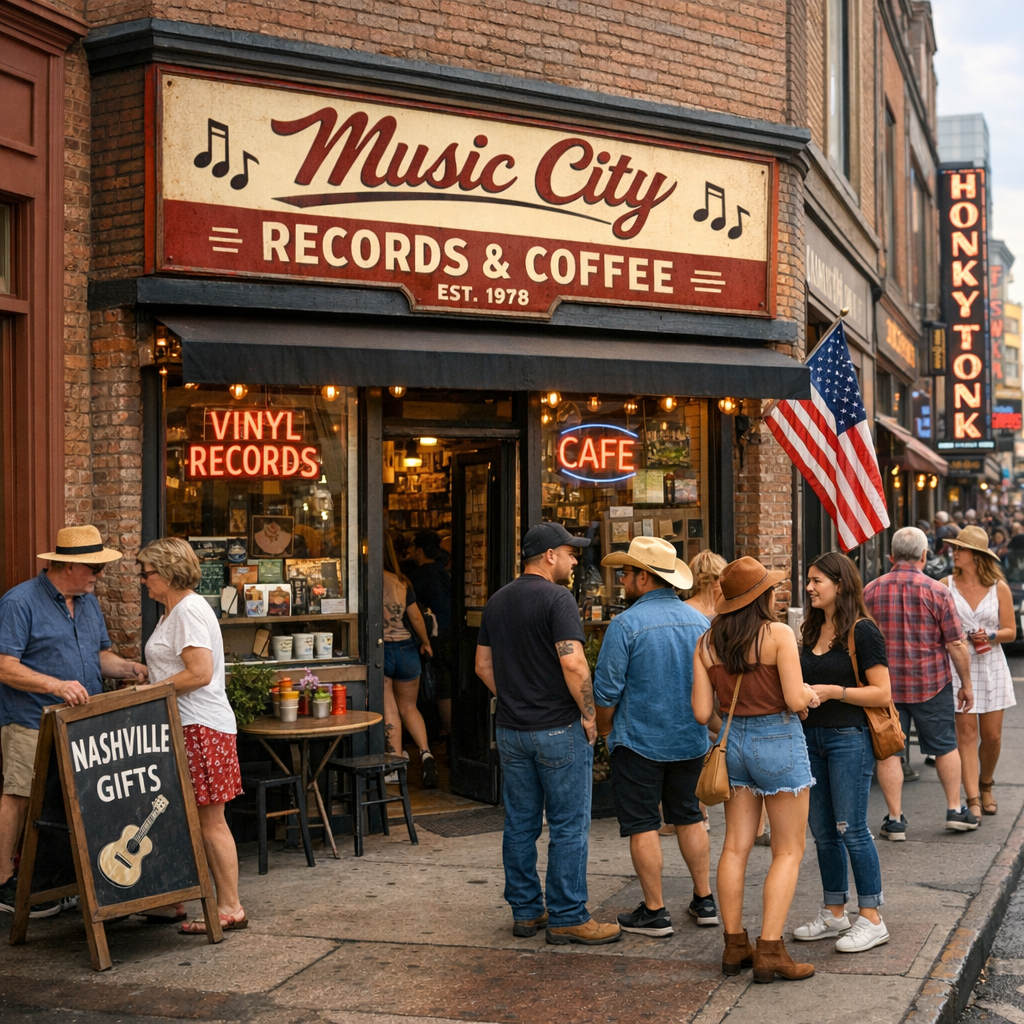
After a recent countywide property reappraisal showed a 45% increase in median values, many small businesses saw steep jumps in tax bills. Independent venues on Broadway, long defined by live music, beers, and local flair, have spoken out: some fear they’ll be forced to close. Business owners and a newly formed coalition are urging city and state officials to consider caps, relief programs, or tax mitigation for vulnerable establishments.
Housing and Workforce—A Tight Squeeze
Attracting and retaining employees is harder when these workers can’t afford to live nearby. Nashville’s surge in housing costs ranks high among regional business concerns. Employers say affordability and commute logistics—infrastructure, transit options—are now as important as wages and benefits when ensuring staff stability. When workers are pushed to live farther away, costs and turnover tend to rise.
Policy Moves and Community Tools
Mayor Freddie O’Connell’s recent state-of-the-city address included plans to reduce the grocery tax, seed a Legacy Business fund, and roll out grant programs aimed at small businesses and employees. Meanwhile, advocacy continues: coalitions of independent restaurants, venues, and retail owners are calling for property tax relief and more predictable regulation. These tools—not just in theory, but as real programs—offer a path to easing pressure.
Where Businesses Go from Here
For Nashville to maintain its characteristic entrepreneurial energy, leaders and community stakeholders suggest several priority areas:
- Tax relief and reform targeted to small, independent businesses, especially those in high-cost districts.
- Zoomed-in workforce housing efforts, paired with stronger transit connections to make affordable living a more realistic option for employees.
- Simplified zoning and permitting processes to lower the barrier for startups.
- Community support programs and grant funding that give independent venues, startups and local retailers a better chance to succeed amid rapid growth.
The mix of policy response, advocacy, and business adaptation will shape whether Nashville’s economy remains both vibrant and inclusive. It’s a balancing act—and one the city’s small and independent businesses are counting on.