

By Sophia Anderson
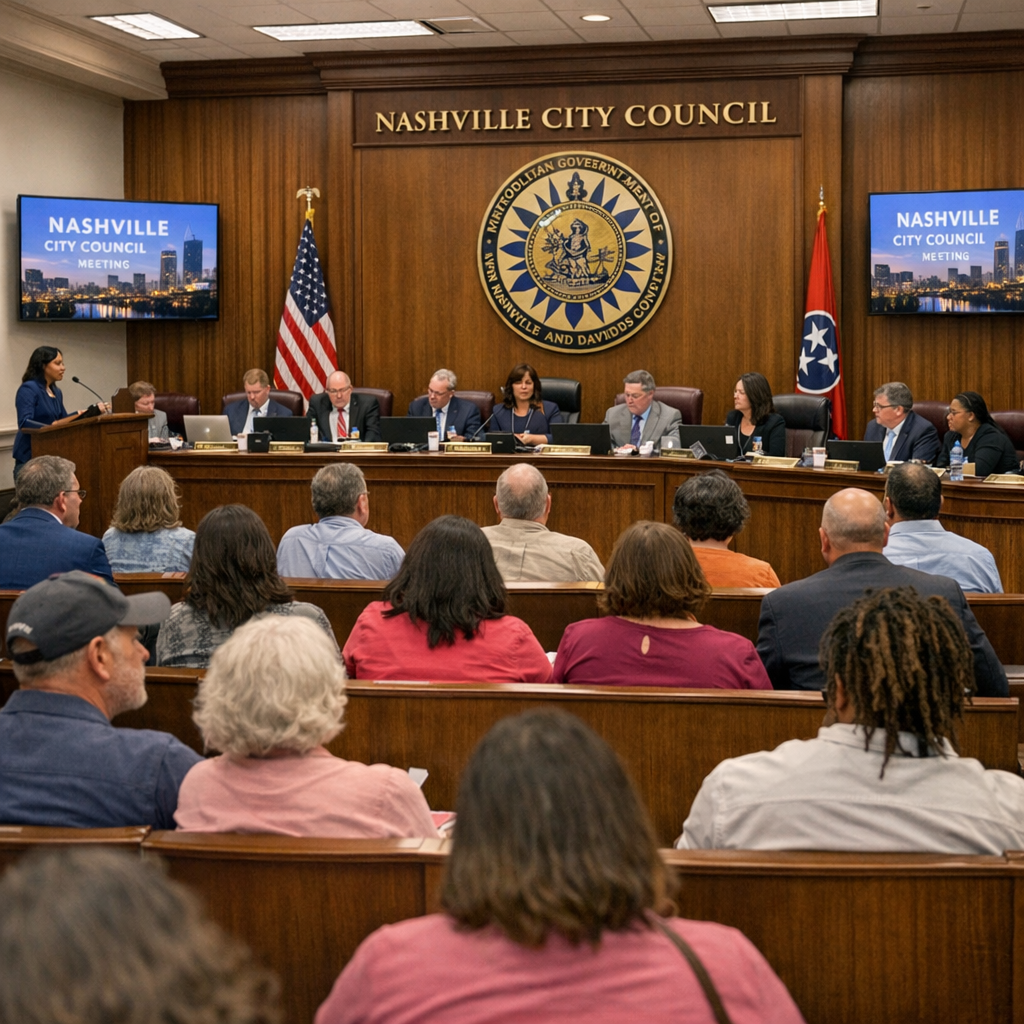
Mayor and Metro Council Act on Data Center Controversy Near the Zoo
The city has taken steps to address escalating community concern over a proposed data center near the Nashville Zoo. Metro is now pursuing condemnation legislation as a means of acquiring the land in question for public use instead of allowing the project to move ahead as planned. The data center’s scale and proximity to animal habitats have sparked objections related to environmental impact and preservation of green space.
Environmental Concerns and Community Pushback
Groups from the Zoo, neighborhood activists, and environmental advocates argue the site poses risks to local ecosystems, including potential effects on species unique to Middle Tennessee. More than 375,000 people have signed a petition against the project, citing noise, light pollution, and disruption of habitat. In response, local government is seeking stronger regulation and oversight before approving further proposals of this kind.
Choose How You Move: Building Safer Streets and Better Connections
The “Choose How You Move” program continues to roll out transit and mobility upgrades across Nashville. Voter-approved funding is now visibly transforming neighborhoods with projects in sidewalks, smart signals, transit service enhancements, and safety improvements.
Projects You’ll Notice
- Sidewalks are being extended to fill in critical gaps, improving walkability and access to bus lines and schools.
- Smart signal upgrades and fiber infrastructure are being installed along key routes to reduce traffic delays.
- Bus service has seen expanded schedules, more coverage, especially in evenings and weekends, and pilot projects like queue jump lanes on major corridors are pushing transit reliability forward.
Housing & Infrastructure Study: Planning for a Sustainable Future
Recognizing that rapid development has put stress on current infrastructure, Metro Nashville has launched a comprehensive study to assess housing needs aligned with infrastructure capacity—roads, utilities, and community services. Part of the process includes refining zoning codes to allow for more mixed housing types while ensuring developments integrate well with neighborhood scale and character.
Major Roadways and Multimodal Improvements Underway
Some of Nashville’s most dangerous corridors are being targeted for safety upgrades. The Gallatin Pike and Main Street project in East Nashville is adding pedestrian crossings, striping, better signage, and school zone enhancements. Meanwhile, the East Nashville Water Infrastructure Replacement (WIR) project is replacing aging pipes and paving streets, with added bike routes, crosswalks, and green infrastructure to reduce stormwater runoff.
Where Nashville Goes from Here
These recent moves reflect broader challenges the city is trying to address: preventing unchecked development in sensitive areas, improving transit and traffic safety, and ensuring housing keeps pace with population growth. Philanthropy, public hearings, petitions, oversight, and legislation are all playing a role in shaping policy that balances growth with well-being.
For residents, staying engaged—through platforms like Metro’s public input sites, neighborhood associations, and public meetings—continues to be critical. The choices made now will shape Nashville’s character, mobility, and livability for years to come.