

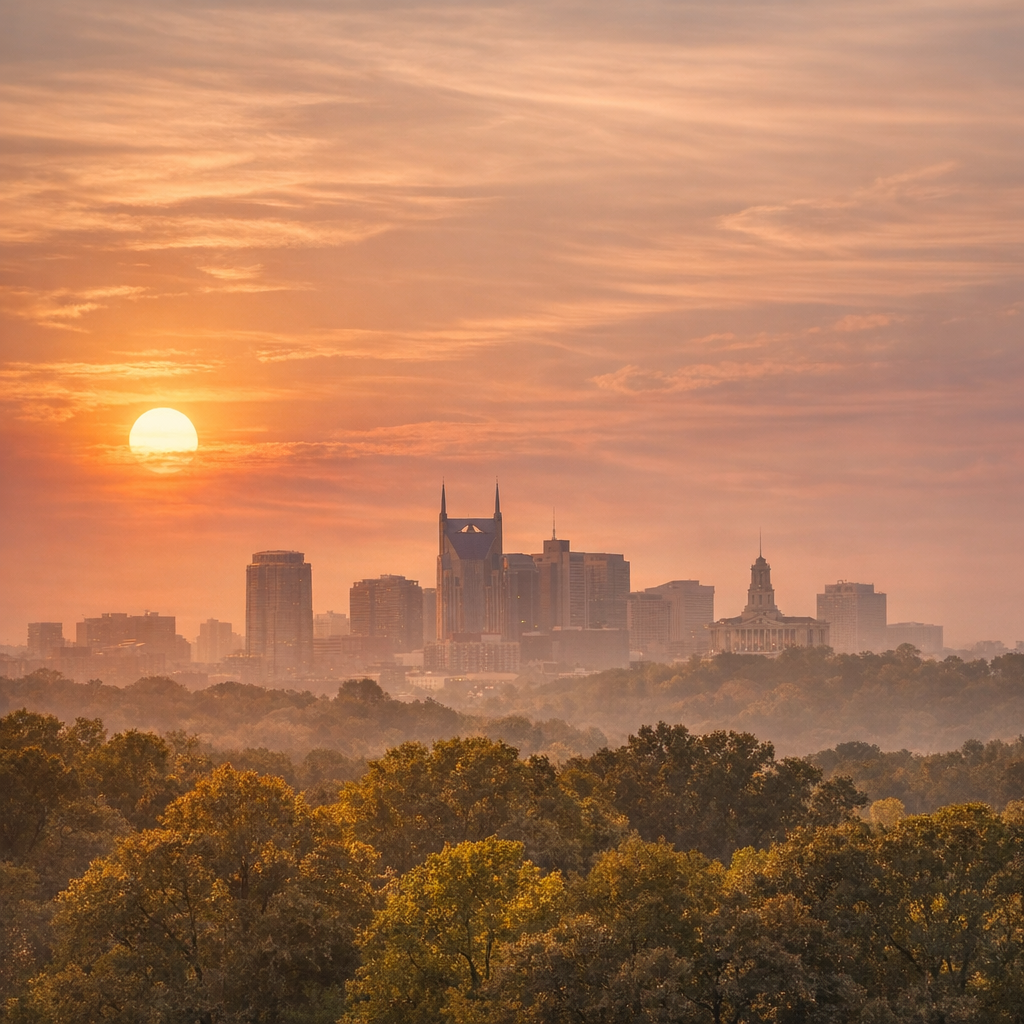
Weather here in Nashville is more than daily highs and lows—it’s a long-term story, one that’s imprinting itself on our seasons, our communities, and our green spaces. As someone who watches skies and trees, I’ve put together some of the trends and changes that are now part of our local beat.
Longer Growing Seasons & Milder Winters
Over the past few decades, Nashville has seen its frost-free period stretch. Winter days are warming up significantly: daytime highs in December, January, and February have risen by several degrees compared to 50 years ago. This means less snow, fewer freezes, and a subtle but real shift in when plants wake up and when cold truly settles in.
Intensifying Springs and Summers
Spring is arriving warmer and earlier. Average spring temperatures across the region have climbed enough that people notice longer blooms, earlier green-ups, and sometimes a misalignment between blooming plants and pollinators. Summer heat is also getting tougher—with more days spent under humid stress, and rising risks for heat-related health issues, especially for older adults and folks without easy access to cooling.
Rainfall Shifts, Drought Risk & Flooding
We’re getting more precipitation overall, but it’s coming in extremes. Heavy downpours are more common, which can overwhelm drains, cause flash flooding, and erode streams. At the same time, stretches between rains are drying out faster—evaporation increases, soil gets harder to sustain, and rivers run lower in dry periods. Those mixed extremes present tricky trade-offs for water management.
Impact on Trees, Wildlife & Ecosystems
Our forests and waterways feel the changes. Some tree species are expanding, others retreating; brook trout, which rely on cold, clear water, are under threat. Migratory birds are adjusting routes, and some populations no longer visit or linger as they once did. Invasive species—insects, plants, pathogens—take advantage of shifting conditions to move in and outcompete locals.
Efforts for Planning, Resilience & Conservation
City and state leaders are paying attention: Nashville’s Climate Adaptation & Resilience Plan looks at heat, floods, infrastructure stress, and aims to guide investment in sturdier systems. The ongoing Ecological Conservation Strategy is exploring how to protect natural spaces even as the city grows—connecting green corridors, safeguarding hillsides, and keeping habitat intact. Initiatives like increasing electric fleet vehicles and promoting native plantings are part of a broader push toward climate resilience.
What You Can Notice & Do
- Watch first and last frost dates if you garden—those are shifting.
- Select native or climate-adapted plants that tolerate heat and drought.
- Collect rain when storms come and minimize runoff where you can.
- Support local conservation efforts and stay informed about green space plans.
- Take heat seriously: know cooling centers, pace outdoor activity, drink water.
Over time, these broad changes might feel gradual—but they affect flora, fauna, infrastructure, and daily life. Keeping an eye on them helps us be ready, and caring for our local environment helps ensure Nashville remains a greener, cooler home.