

By Benjamin Lopez
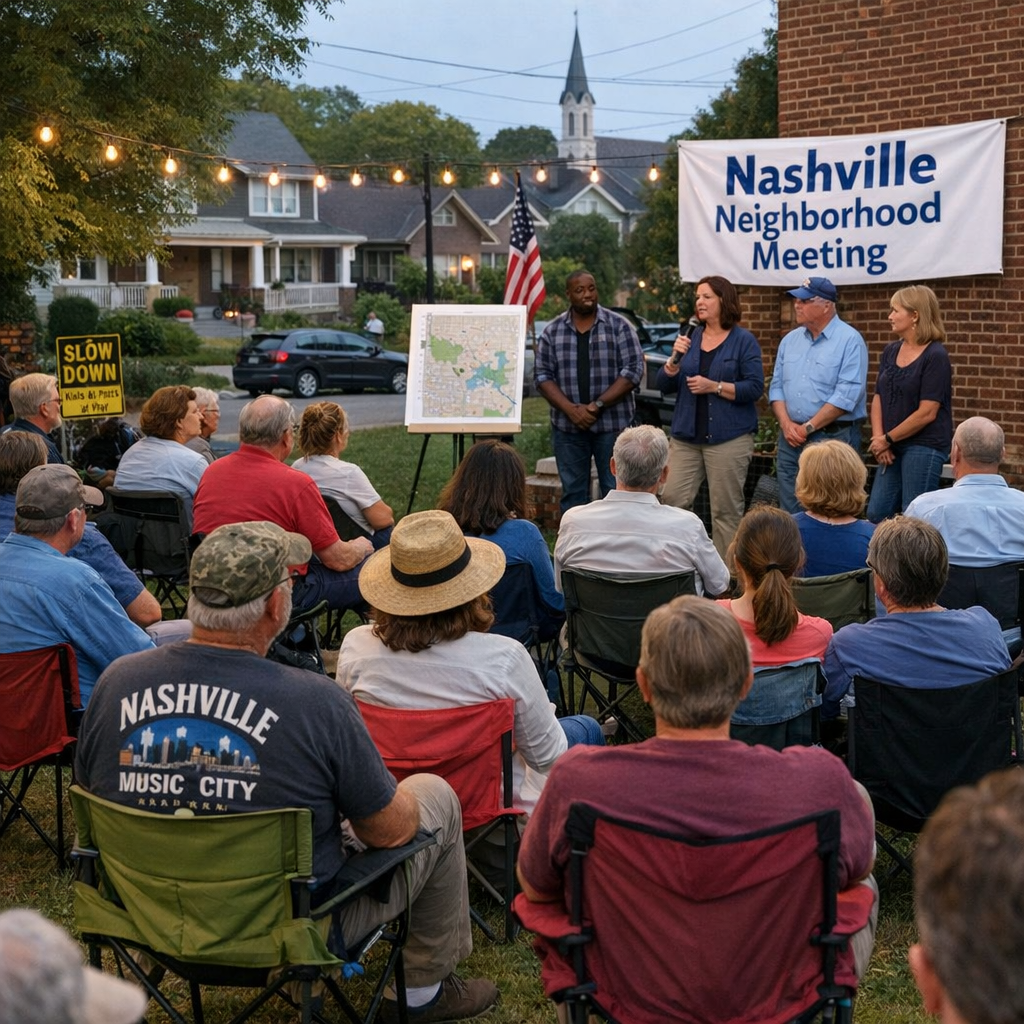
Over the last few years, Nashville has been changing fast — in ways that bring new businesses and opportunities, but also growing challenges around housing affordability, infrastructure strain, and community connection. Beneath policy debates, there’s a more personal story: one of neighbors and longtime residents working together to decide what kind of city Nashville wants to be.
What neighbors are telling us
In surveys and engagement efforts like Imagine Nashville, people across Metro Nashville are sharing similar concerns: traffic congestion, rising housing costs, and a sense that growth is happening without enough of their input. Less than half of residents feel they live in an ideal neighborhood, while many say their day-to-day lives are stressed by affordability and access to services. These aren’t just technical issues — they touch on how safe, how connected, and how hopeful people feel where they live.
Why community voice matters
Groups like Save Our Nashville Neighborhoods (SONN) are stepping in, helping neighbors understand zoning proposals and advocate for policies that reflect real lived experiences — not just market trends or developer priorities. They remind us that preserving the character of a place means listening to the people who call it home. When city resources — like parks, transit, or community centers — are allocated without hearing from those who use them most, the result is often under-investment or mismatched priorities.
Steps forward: more than policies
• Formal engagement matters: Metro’s new unified housing strategy, the ongoing housing and infrastructure study, and the 2026–2028 Community Health Improvement Plan all represent opportunities for public input. When accessible notices, inclusive outreach, and genuine decision-making power are included, trust builds.
• Personal connection matters: Stories shared through initiatives like Voices of Resilience show how environmental change, economic shifts, and social stress are felt in homes and streets, not just spreadsheets. Highlighting those stories makes issues real and shared.
• Usable change matters: Whether it’s affordable units preserved, sidewalks built, or zoning that allows missing-middle housing, changes must be visible and felt in daily life. Incremental actions often ripple outward more than grand plans when people believe they are part of shaping them.
A call for all hands
Nashville’s future depends on both leaders and neighbors. Officials need to keep opening doors — literally, inviting people, respecting time, ensuring materials are accessible — but neighbors also need to show up: attend meetings, share concerns, connect with others. The city has room for all kinds of voices: those with decades in a neighborhood and those just arriving with fresh ideas.
When decisions feel far away, it’s easy to feel disempowered or disconnected. But what I’ve seen over months of listening is that many smaller acts add up: talking with a neighbor, questioning a proposal, supporting someone else’s perspective. If we want Nashville’s growth to enrich communities instead of leave them behind, it starts locally — in the stories and choices of people who care, every day.