

By Sophia Anderson
Housing Affordability: A Growing Concern for Nashvillians
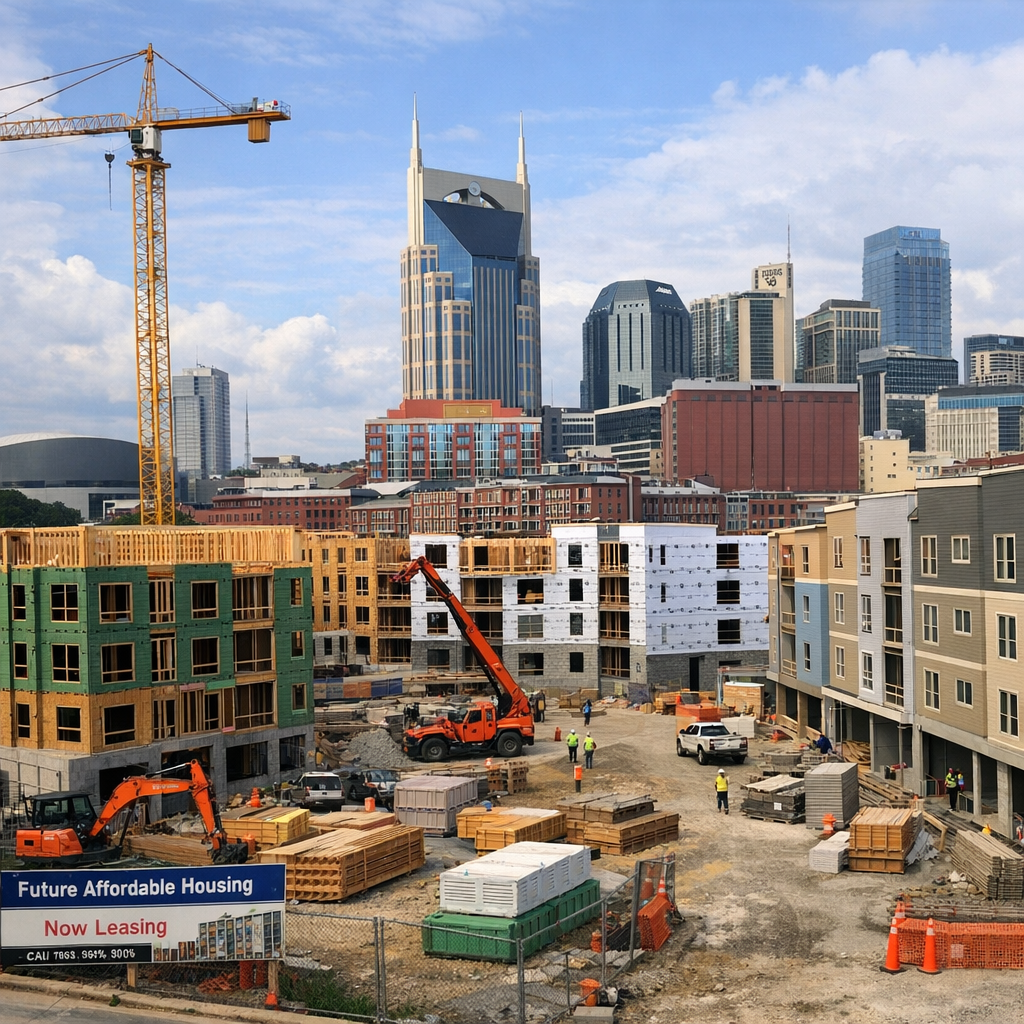
In recent years, Nashville has grappled with a sharp increase in housing costs. Many renters now spend over 30% of their income on rent, with a significant portion spending more than half their income just to keep a roof overhead. For many, the dream of owning a home here feels out of reach.
City Policies and Budget Moves
Mayor Freddie O’Connell’s proposed budget includes roughly $7 million earmarked for affordable housing initiatives, signaling new efforts toward building or preserving thousands of low-to-moderate income units in coming years. This is part of a larger affordable housing strategy calling for 20,000 affordable units over the next decade (about 2,000 per year). Metro’s Unified Housing Strategy has also introduced tools like long-term ground leases, land banks, and public ownership to keep affordability intact. These policies aim to prevent displacement and ensure homes remain accessible for future generations.
New Voices in the Mix: Advocacy & Alternatives
The Housing & Safety for All campaign, led by the Nashville People’s Budget Coalition, has been pushing for budget allocations to create permanently affordable, publicly owned housing and to explore non-police-based community safety resources. Their proposals include creating a Social Housing Fund and issuing bonds to finance large-scale mixed-income developments. The influence of this grassroots advocacy has been visible in recent budget hearings and council discussions.
Ongoing Challenges & What Comes Next
Despite these policy efforts, experts note a several-hundred-unit gap annually between what’s being built and what’s needed — especially for affordable homes. Even when funding exists, units are frequently marked as “affordable” only temporarily, losing status after a few years. Additionally, debates over zoning reforms, density, and where affordable housing can be built remain contentious. Neighborhood resistance, concerns about infrastructure capacity, and rising land prices all complicate the path forward.
What This Means for Residents
- Tenants worried about rent hikes may see some relief if more permanently affordable units are developed.
- Homeowners could benefit as policies protect housing stock in established neighborhoods.
- Community groups and renters will need to stay engaged: public budget hearings, council meetings, and advocacy channels remain critical to shaping outcomes.
As Nashville continues to grow, balancing growth with fairness will require continued investment, policy innovation, and strong civic engagement. The next few years may determine whether the city’s promises translate into real, lasting affordability.