

By William Thompson
Overview: The Big Picture for Climate Shifts
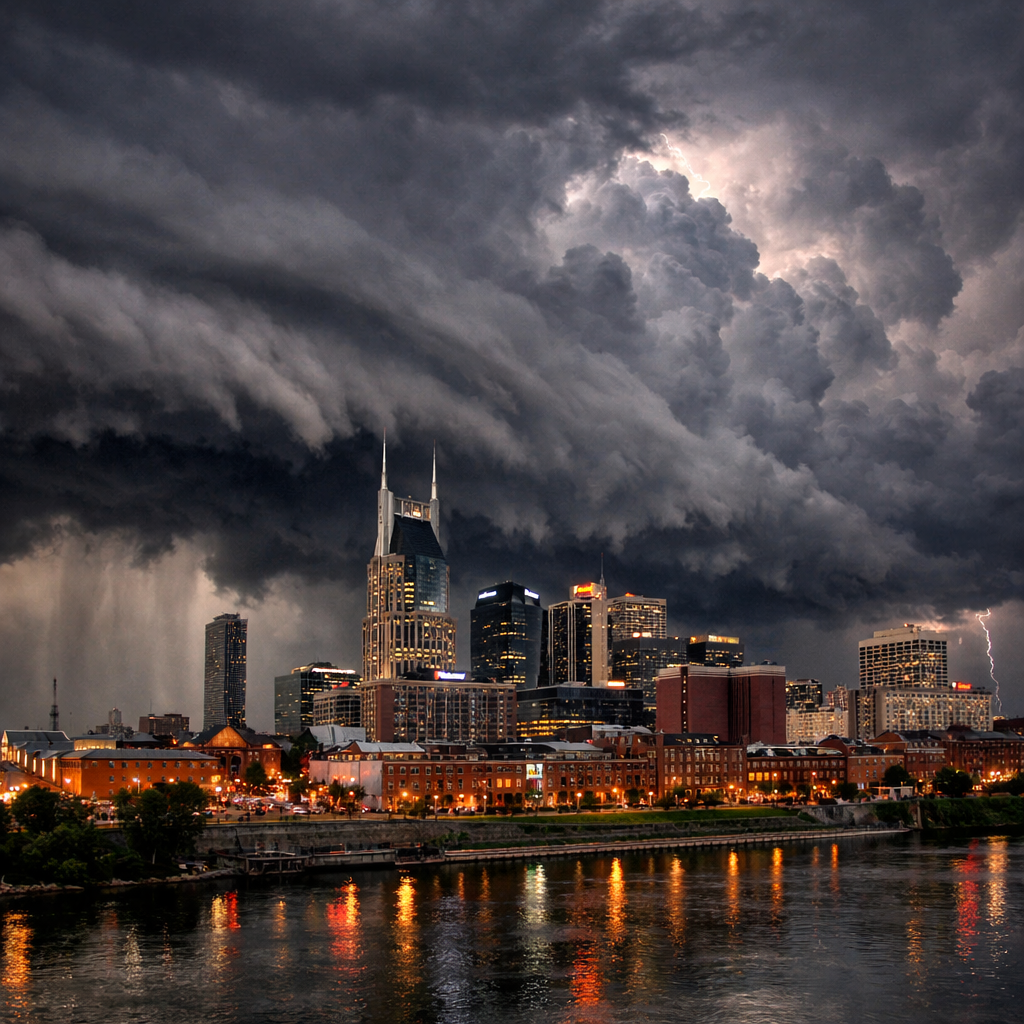
Nashville is experiencing noticeable shifts in its climate patterns. Winters are growing milder, summers hotter and more humid, and heavy rainfall events are becoming more frequent and intense. These aren’t distant projections—they are changes already under way in Middle Tennessee.
Key Changes on the Ground
Hotter Summers & Milder Winters
Over the past few decades, average summer highs across Nashville have increased, along with a rise in days with oppressive heat and humidity. Meanwhile, winter has lost many of its frigid nights: the number of days dropping to freezing or below has declined noticeably. These shifts affect everything from energy bills to public health risks during extreme cold or heat.
More Intense Rainfall, Flash Flooding Risk
Nashville is seeing not just more rain, but more rain at once. Intense downpours are dumping larger volumes of water in short periods, overwhelming drainage systems and increasing the risk of flash flooding in parts of the city, especially where pavement has replaced green space. Local data shows hourly rainfall intensity has risen significantly over recent decades.
Ecosystem Impacts—Forests, Wildlife, & Waterways
Changes in temperature and rainfall also ripple through local ecosystems. Forest composition is shifting, cold-water streams are under stress, and species like brook trout are vulnerable when water temperatures climb. Warmer summers and altered precipitation patterns also favor invasive species over native plants.
Why These Changes Matter for Nashville
- Public Health: Heat waves pose increased risks, especially for infants, older adults, and those with chronic conditions. Air quality can worsen in hot, stagnant conditions, increasing asthma triggers.
- Infrastructure & Flooding: Stormwater systems, roads, and bridges built for older climate norms face growing stress. Flash floods can damage property and disrupt travel.
- Agriculture & Food Supply: Local growers must adapt to changing rainfall timing, hotter afternoons, and longer growing seasons, but also increased drought risk during dry spells.
- Biodiversity: Wildlife that rely on cold habitats or consistent water temperatures may decline; some species will expand their range northward or into higher elevations, while others may fade.
Local Responses and What Residents Can Do
Nashville’s Adaptation Plans
Metro Nashville’s Climate Adaptation and Resilience Plan aims to prepare the city for these changes. Its strategy focuses on hard infrastructure—like upgraded drainage and resilient power systems—as well as “soft” strategies: community outreach, equity-focused policies, and emergency planning.
Projects include identifying vulnerable neighborhoods, strengthening forest cover in urban areas to reduce heat islands, and rethinking building standards to handle both heat stress and flooding risk.
On the Ground—What You Can Do
- Plant trees and protect green spaces to help cool neighborhoods and absorb rain.
- Collect rainwater and incorporate permeable surfaces where possible to reduce runoff.
- Make sure your house is well-insulated and ventilated to stay cooler in summer and retain warmth in winter.
- Stay informed about extreme weather alerts and flood-prone zones—especially during heavy rain events.
- Support local ordinances and policies addressing climate resilience and equitable environmental protection.
Looking Ahead
As climate shifts continue, Nashville must prepare not just for warmer summers but for sharper swings in weather—floods, heat waves, and ecosystem stress. These challenges are not remote; they are already shaping life in Middle Tennessee. When we respond together—through planning, local action, and policy—we can build resilience for a healthier, more sustainable future.